Technik Museum Sinsheim
(Sinsheim Technology Museum)
Sinsheim, Germany
May 2026
|
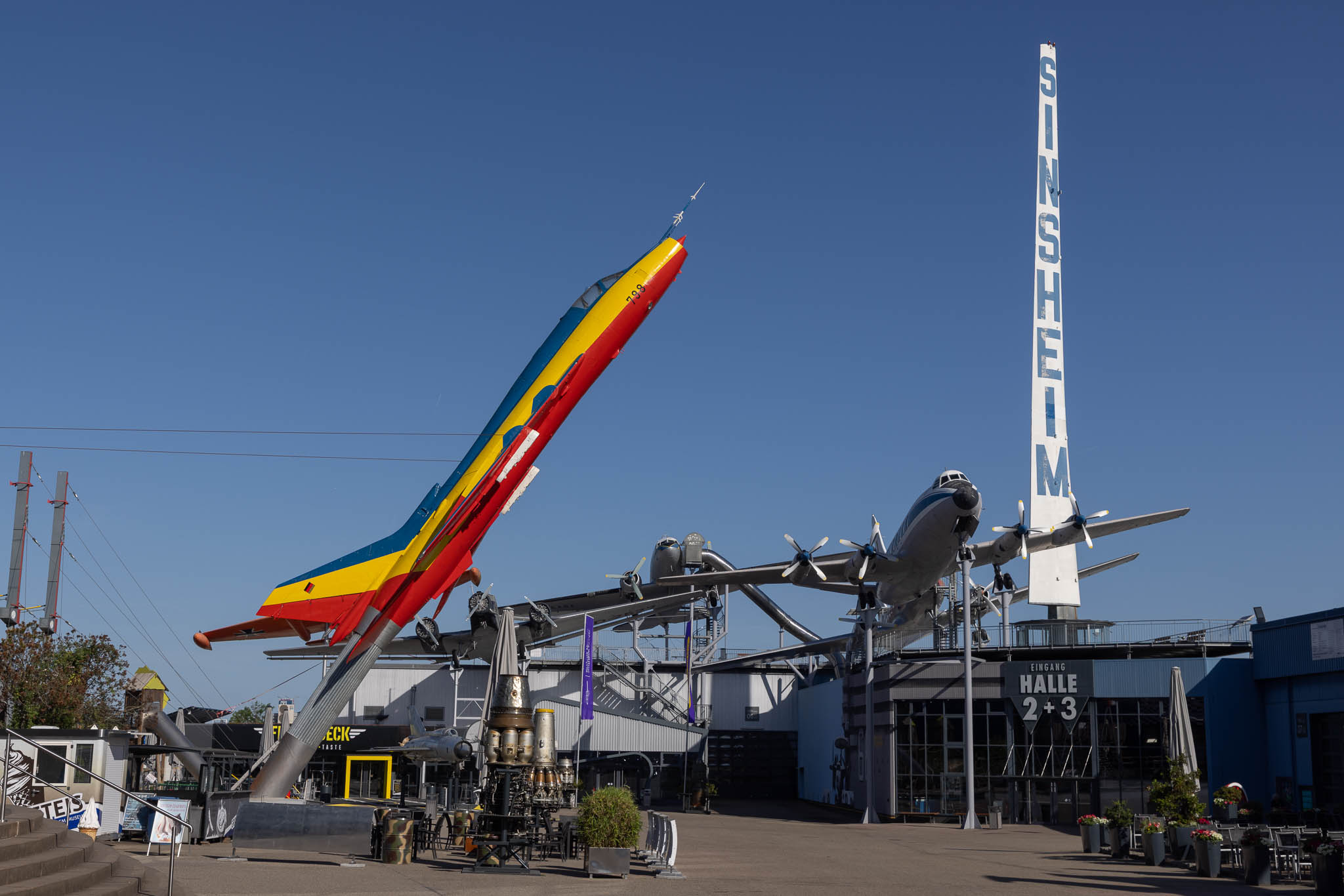
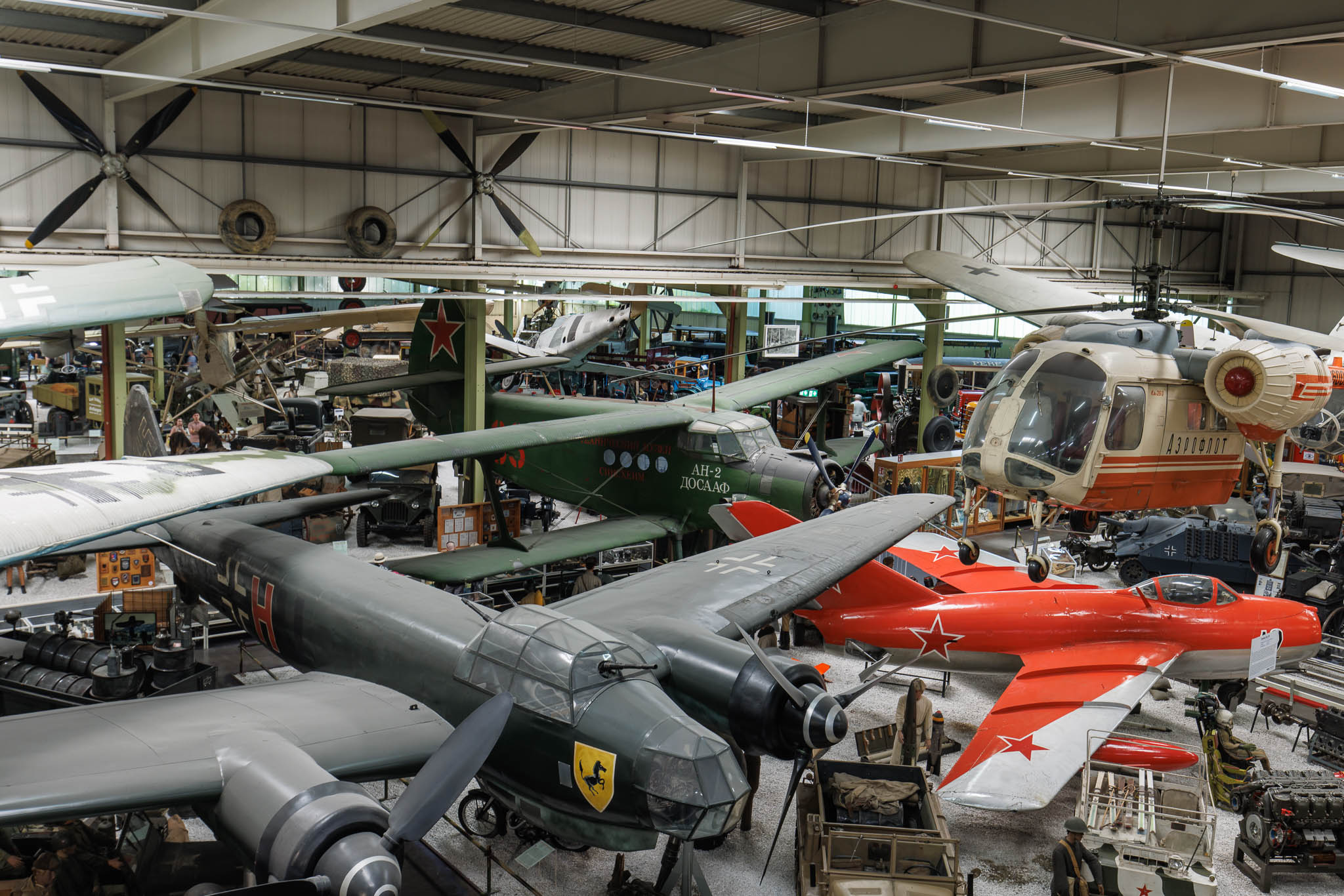
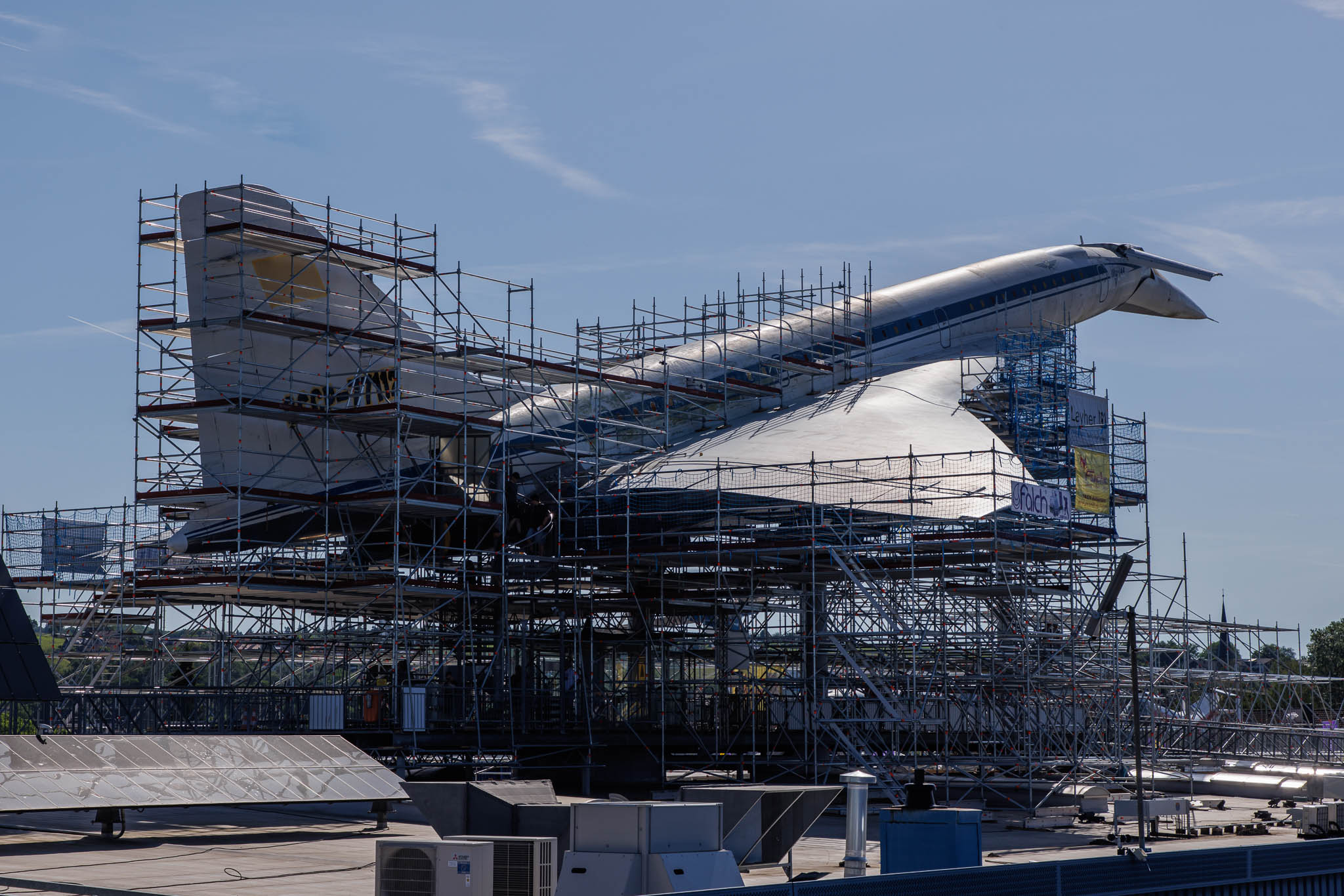
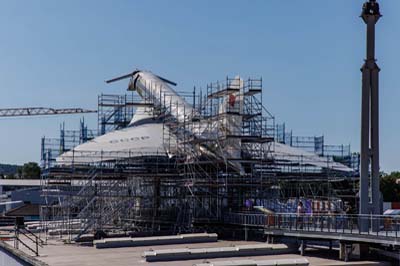
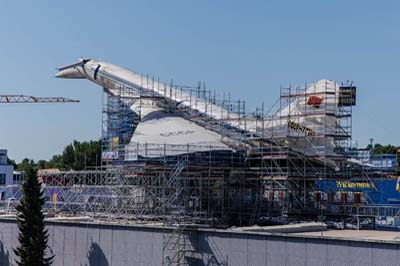
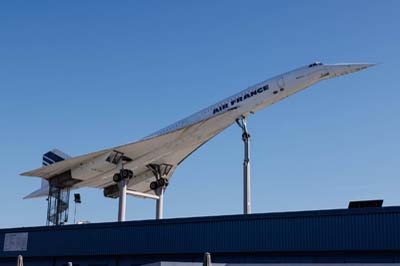
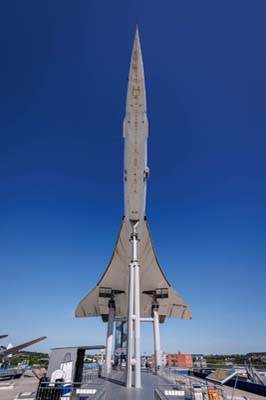
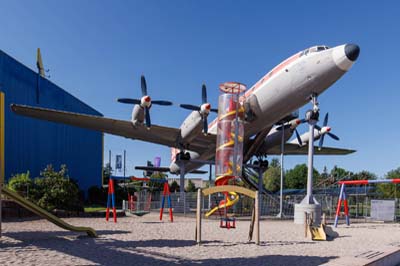
| Opened in 1981, it is now a vast and impressive museum spread across three or four enormous halls, packed with fast cars, steam engines and, more importantly, aircraft. Almost every aircraft hangs above ground level, suspended from the roof, with elevated walkways taken to the extreme. Numerous spiral staircases lead upwards, some reaching the rooftops where, among other highlights, you can find a Concorde and the Tu-144 'Concordski'. |
| Left to right: Tupolev Tu-144D (CCCP-77112) has been on display since 2001, it is now being restored. |
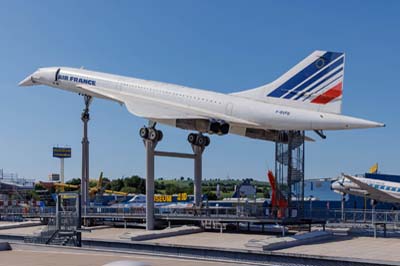
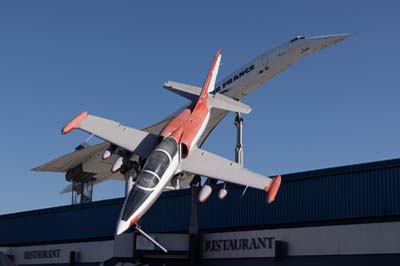
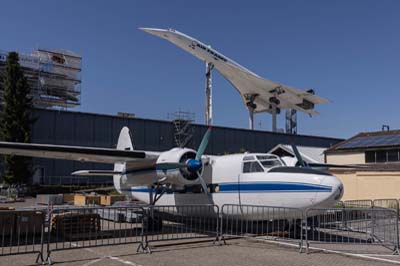
| Left to right: In 2003, Air France donated one of its retiring Concorde aircraft (F-BVFB) to the museum. |
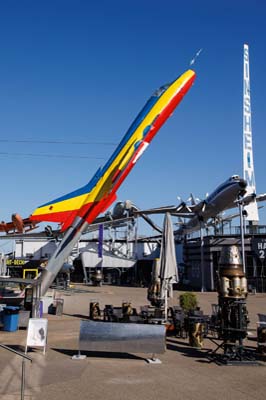
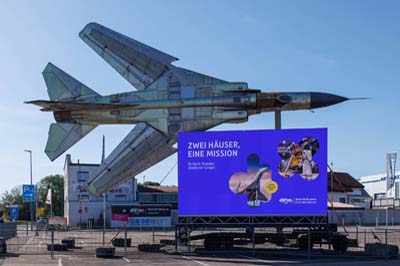
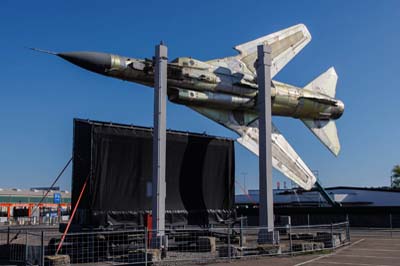
Left to right: Sukhoi Su-22M-4 (25+20, 704 marked '798') ex Luftwaffe, ex NVA (Nationale Volksarmee or National People's Army), otherwise known as the armed forces of the Deutsche Demokratische Republik (DDR) from 1956 to 1990.
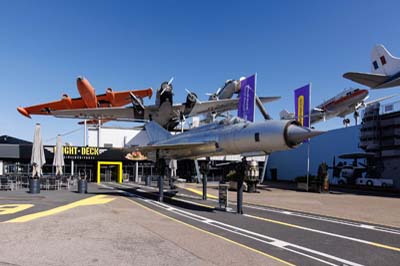
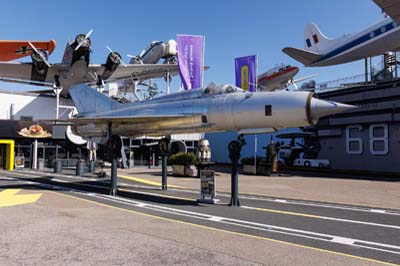
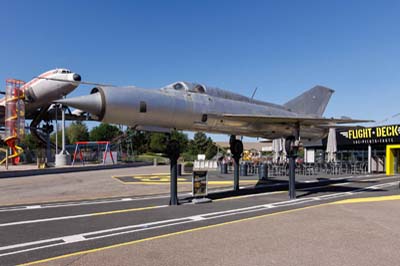
Mikoyan-Gurevich MiG-21SPS (22+33, 861) ex Luftwaffe, ex NVA.
English Electric Canberra B2 (99+36 previously WK130) ex RAF and West German Air Force, painted orange, it is in the background. |
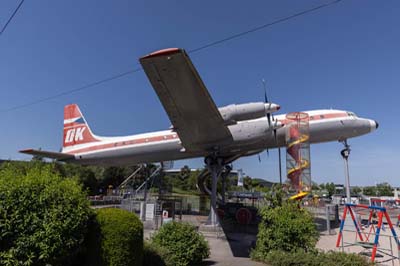
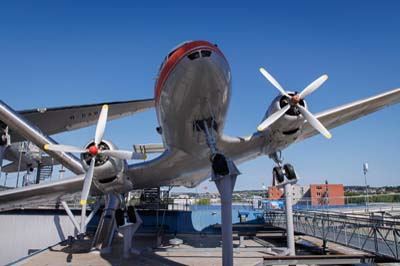
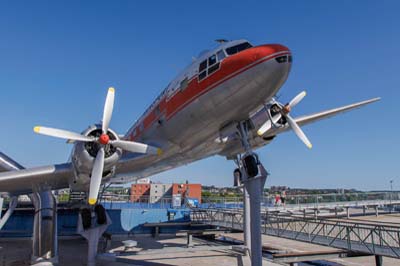
| Left to right: Ilyushin Il-18 (OK-PAI) built in 1961 it is ex CSA Czechoslovak Airlines. |
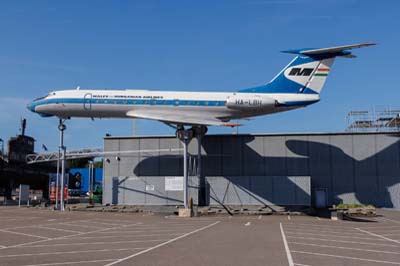
Left to right: Tupolev Tu-134 (HA-LBH) previously operated by Malév Hungarian Airlines.
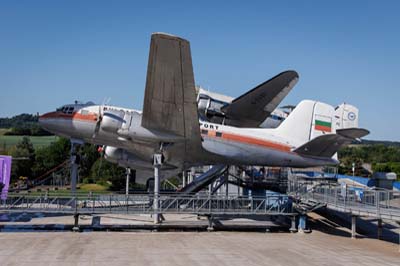
Ilyushin Il-14P (0833 c/n 14600833). Formerly operated by the Polish Air Force. Displayed in the historic livery of Bulgarian Air Transport (TABSO - Balkan Bulgarian Airlines). |
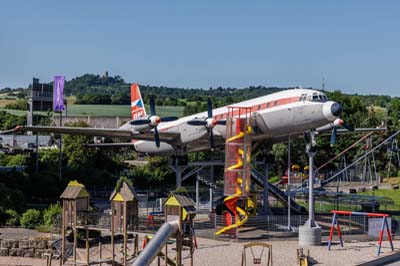
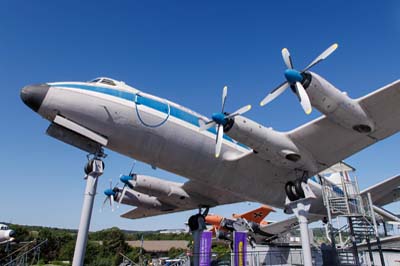
Left to right: Vickers V.708 Viscount (F-BGNU) previously flown by Air Inter.
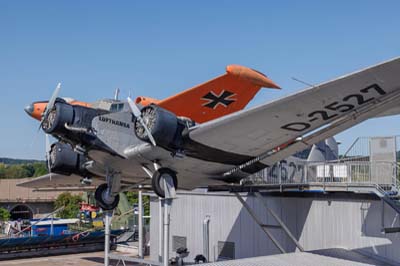
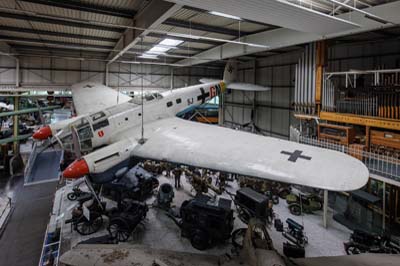
CASA 352L (T.2B-257 registered D-CIAL marked 'D-2527') ex Ejército del Aire (EdA, Spanish Air Force).
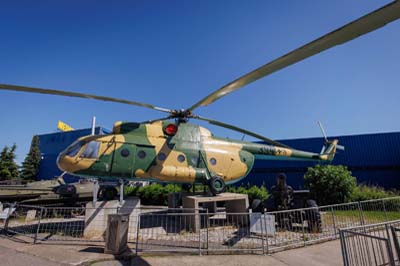
Mil Mi-8T (94+18, 394) ex Luftwaffe, ex DDR.
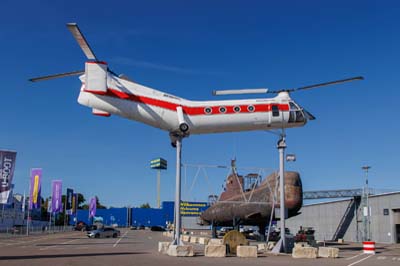
Vertol H-21C Shawnee (83+17) ex Heer (German Army). |
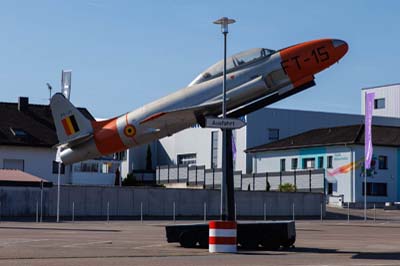
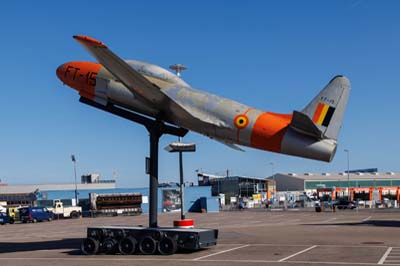
Left to right: Lockheed T-33A Shooting Star (JD+397 marked 'FT-15') ex West German Air Force.
Mikoyan-Gurevich MiG-23ML (20+27, 550) ex Luftwaffe, ex NVA(Nationale Volksarmee or National People's Army), otherwise known as the armed forces of the Deutsche Demokratische Republik (DDR) from 1956 to 1990. |
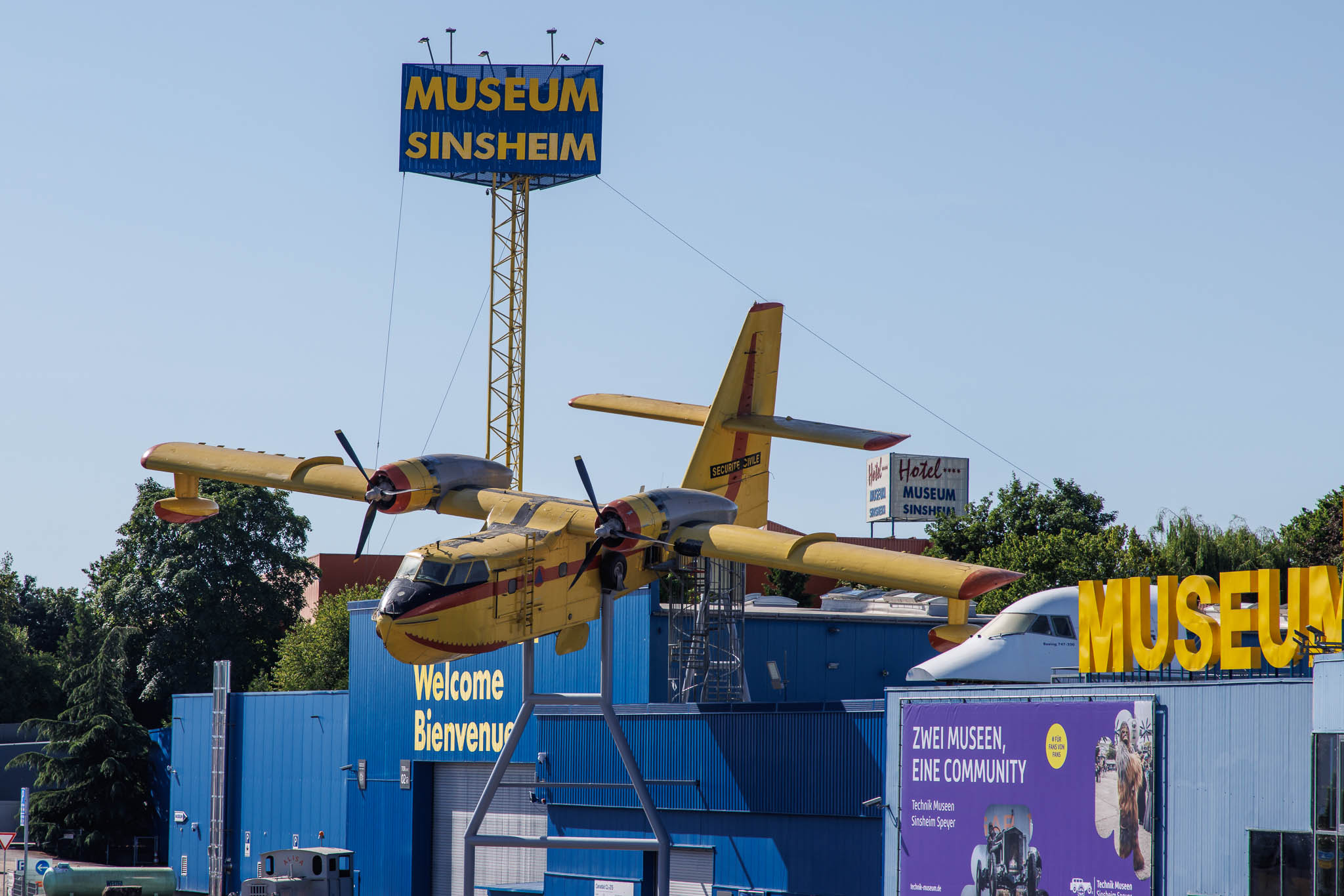
| Left to right: Canadair CL-215 (F-ZBBH '26') ex Securite Civile. |
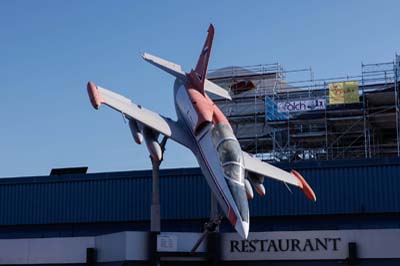
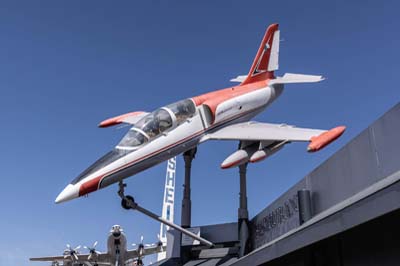
| Left to right: Aero Albatros L-39ZO (28+27, 175) in Czech Air Force markings it is really ex Luftwaffe and ex NVA (Nationale Volksarmee or National People's Army), otherwise known as the armed forces of the Deutsche Demokratische Republik (DDR) from 1956 to 1990. |
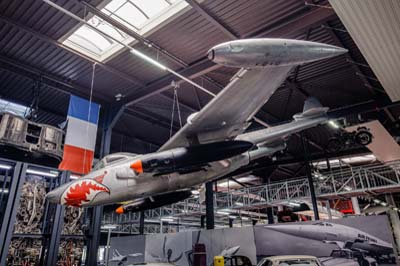
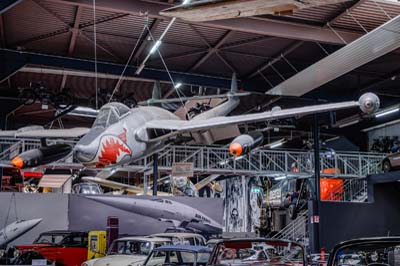
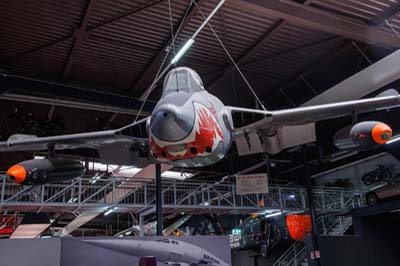
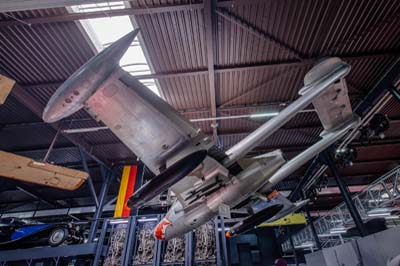
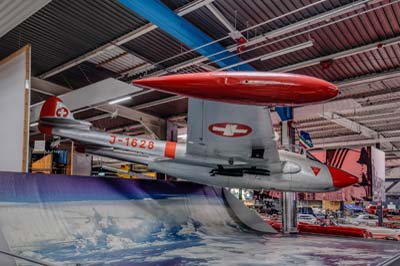
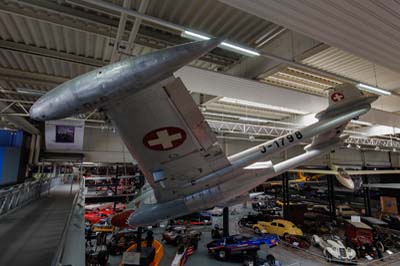
| Left to right: de Havilland Venom Mk.1 (J-1603) ex Swiss Air Force. |
Left to right: de Havilland Venom Mk.1R (J-1628) ex Swiss Air Force.
de Havilland Venom Mk.4 (J-1798) ex Swiss Air Force. |
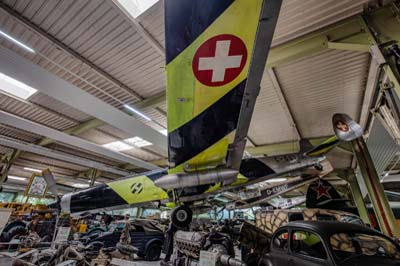
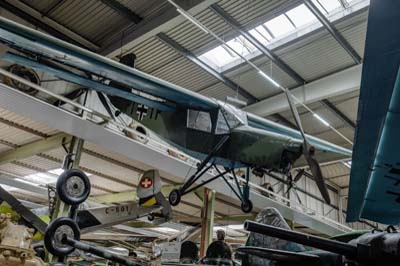
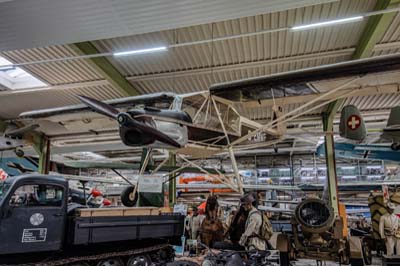
| Left to right: EKW C-3605 (C-501) ex Swiss Air Force. The F+W C-3605, nicknamed Schlepp, is a target towing aircraft operated by the Swiss Air Force from 1971–1987. The aircraft was developed during the latter half of the 1960s by the Swiss Federal Construction Works (EKW - Eidgenoessische Konstruktionswerkstaette), renamed Farner Werke (F+W) in 1972, as a conversion of the existing C-3603 ground attack and target towing aircraft. Following a successful prototype conversion in 1968, 23 aircraft were converted between 1971 and 1973. |
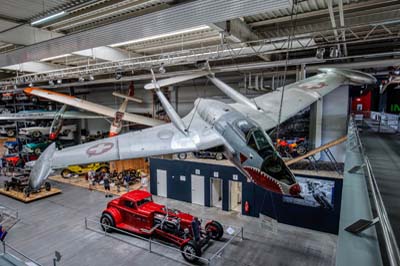
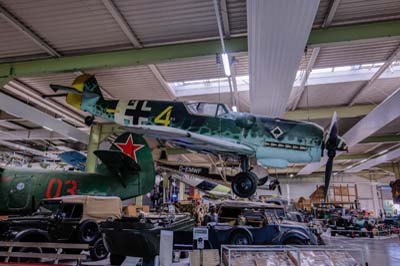
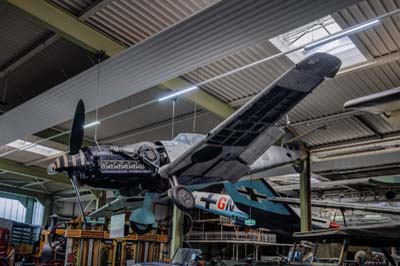
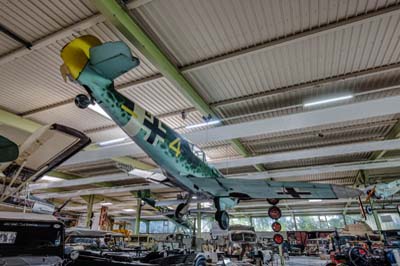
| Left to right: Hispano HA.1112M-1L (C.4K-170 marked 'Yellow 4') ex Ejército del Aire (EdA, Spanish Air Force). It is a Spanish license-built version of the Messerschmitt Bf 109, constructed in Seville, Spain by Hispano Aviación and retrofitted with a Rolls-Royce Merlin engine. |
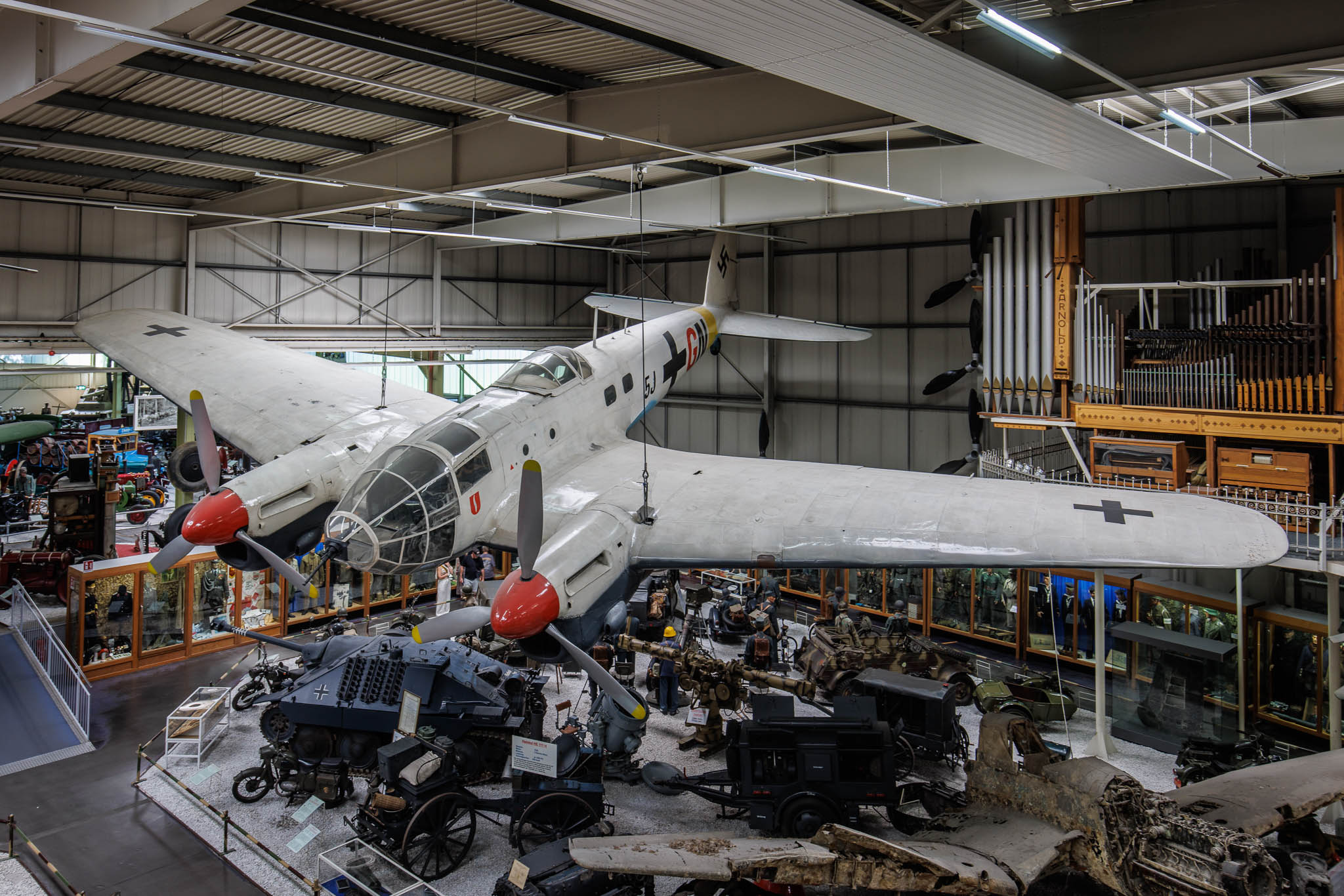
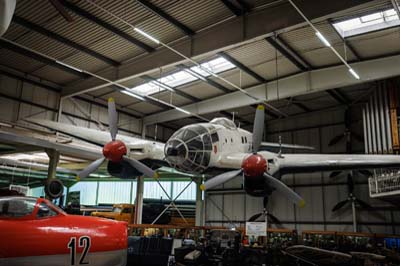
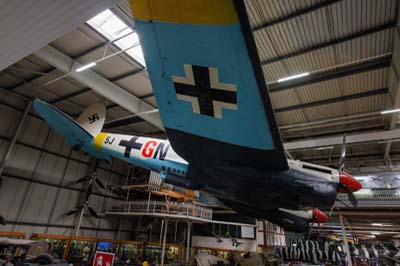
| Left to right: CASA 2-111B (B.2I-82 marked '5J+GN') ex Ejército del Aire (EdA, Spanish Air Force). |
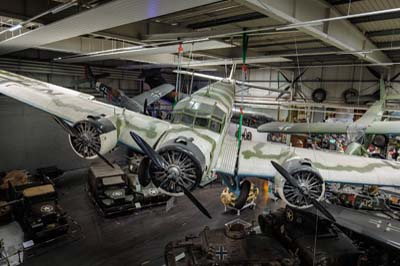
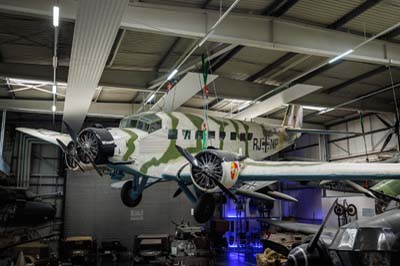
| Left to right: CASA 352L (T.2B-140 marked 'RJ+NP' registered N9012P) ex Ejército del Aire (EdA, Spanish Air Force). |
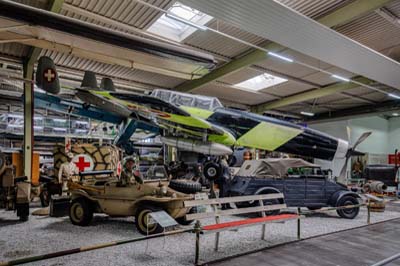
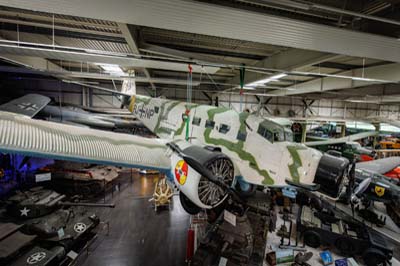
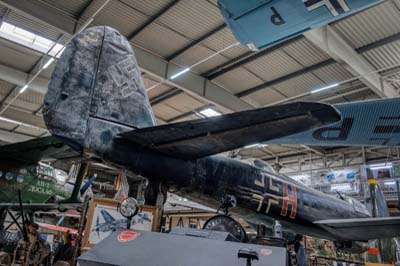
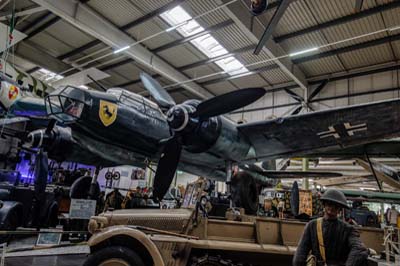
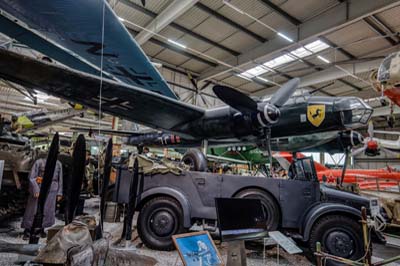
| Left to right: Junkers Ju 88A-4 (881379 '4V+UH') ex Luftwaffe, the tail section is original, the forward fuselage is a modern fabrication. |
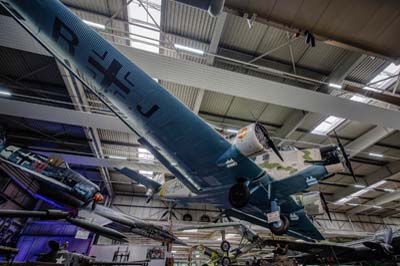
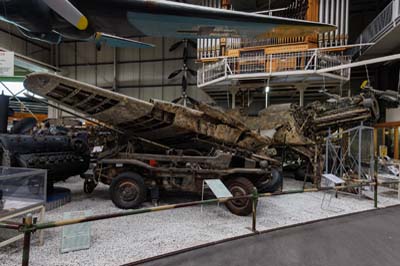
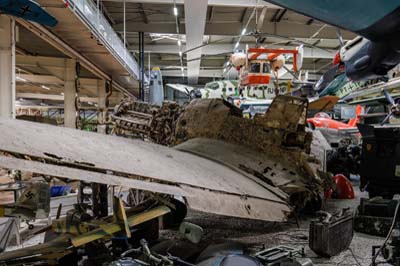
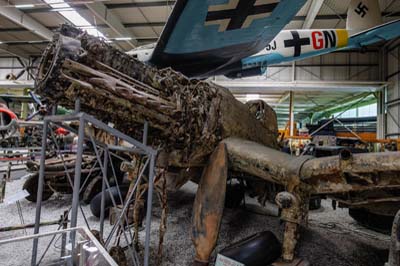
| Left to right: Junkers Ju 87B-2 Stuka (1301643) ex Luftwaffe, recovered wreckage Ju 87 which crashed into the Mediterranean under unknown circumstances and sank off the coast of Saint-Tropez on April 29, 1943. It was recovered, backed by the Sinsheim museum, from the Mediterranean Sea in 1989 from a 90 metre depth. Rather than attempting a full restoration, the museum decided to preserve and exhibit the wreckage in its unrestored, "as-recovered" condition. |
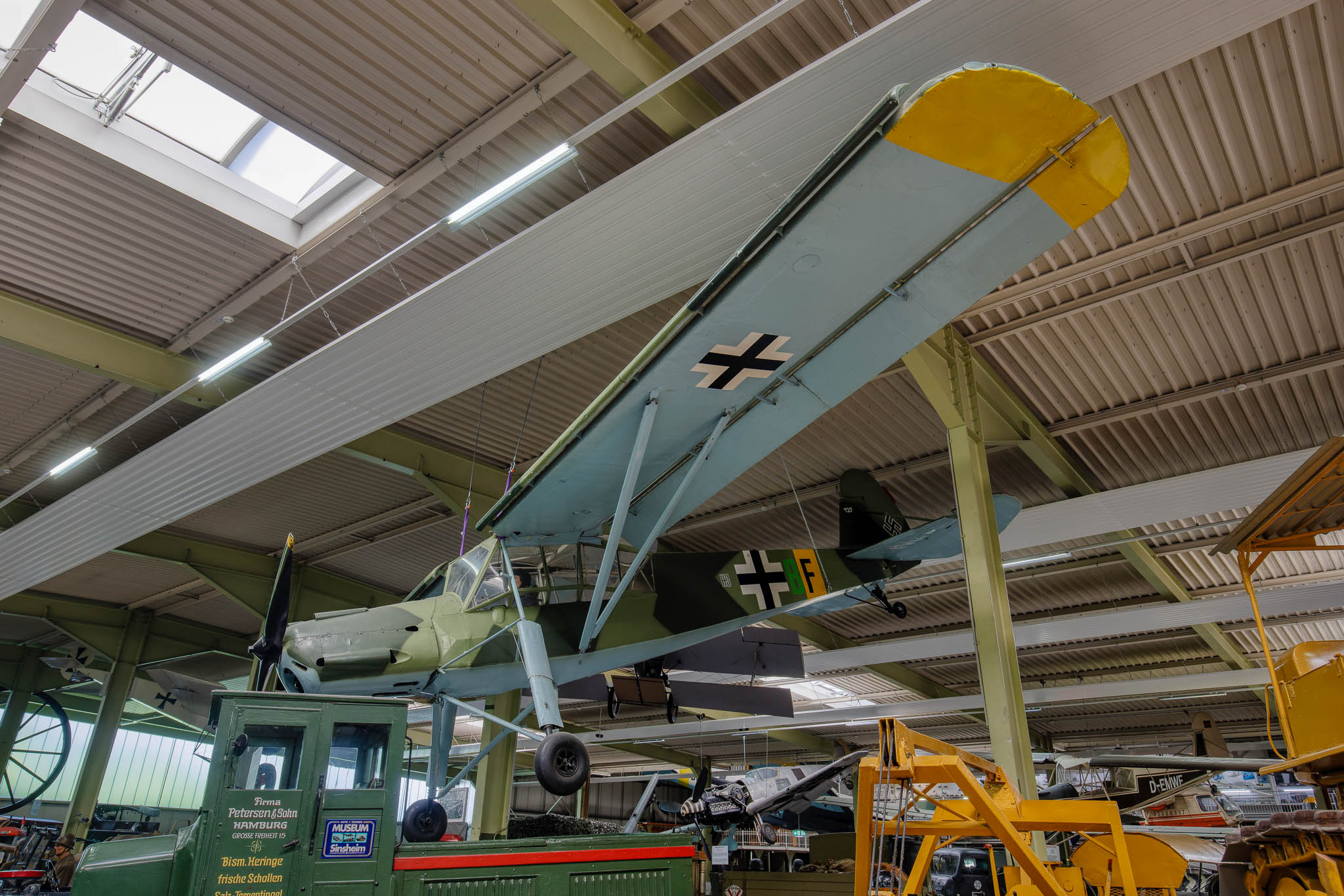
Left to right: Ikarus Kurir (50127 marked 'PT+TP') ex Yugoslav Air Force.
Morane-Saulnier MS.500 Criquet (763 registered D-EMYZ) marked 'D-EMWF') ex Armee de l'Air (French Air Force). |
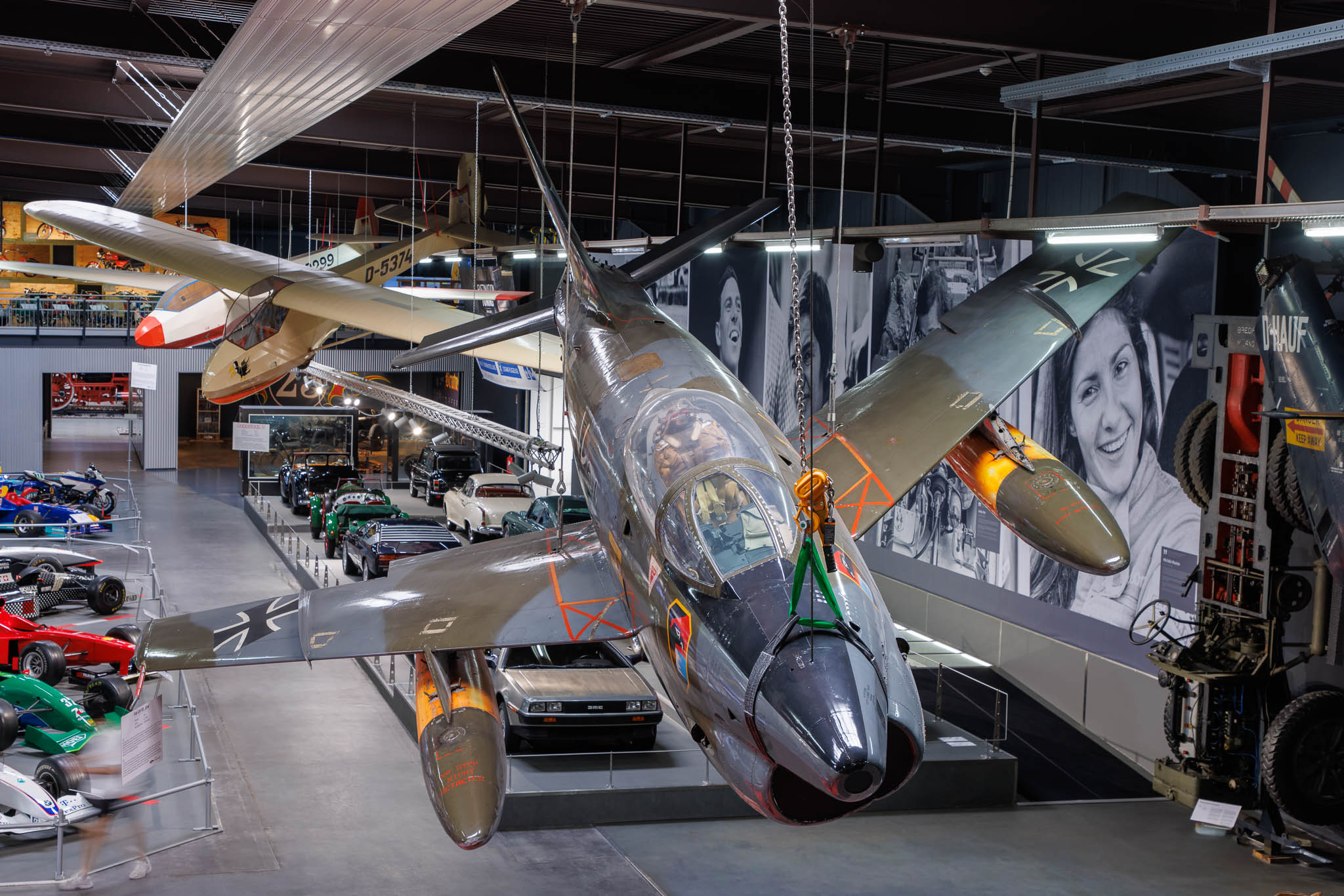
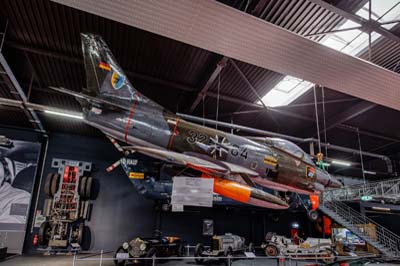
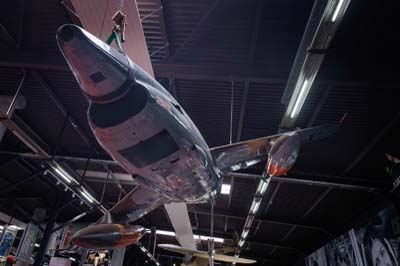
Left to right: Fiat G-91R/3 (32+64) ex West German Air Force.
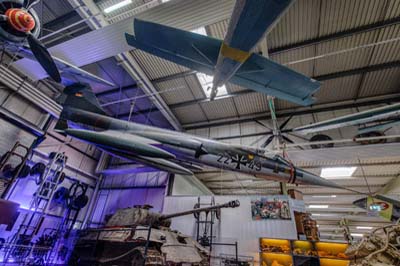
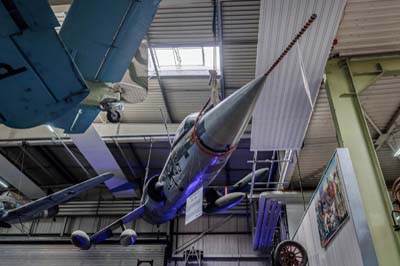
Lockheed F-104G Starfighter (22+49) ex West German Air Force. |
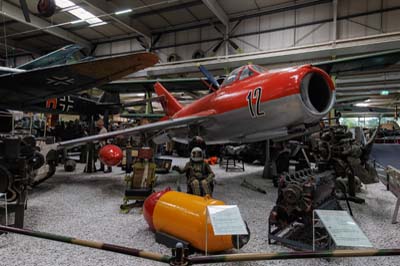
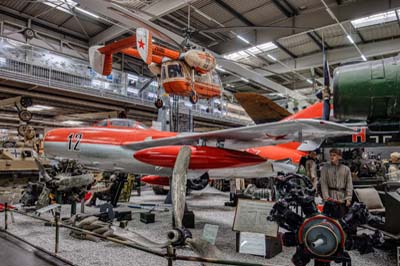
Left to right: PZL Lim-2 (1006 marked 'Black 12') ex Polish Air Force.
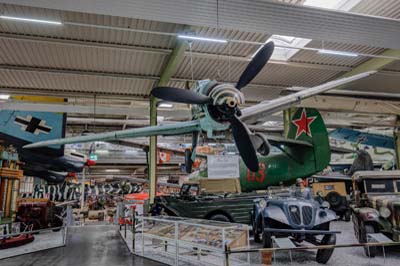
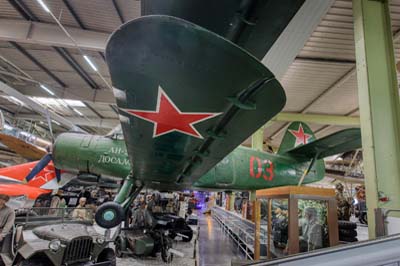
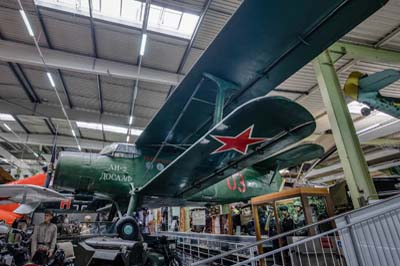
Antonov An-2T (5 'Red 03' registered HA-ANB) ex Hungarian Air Force. |
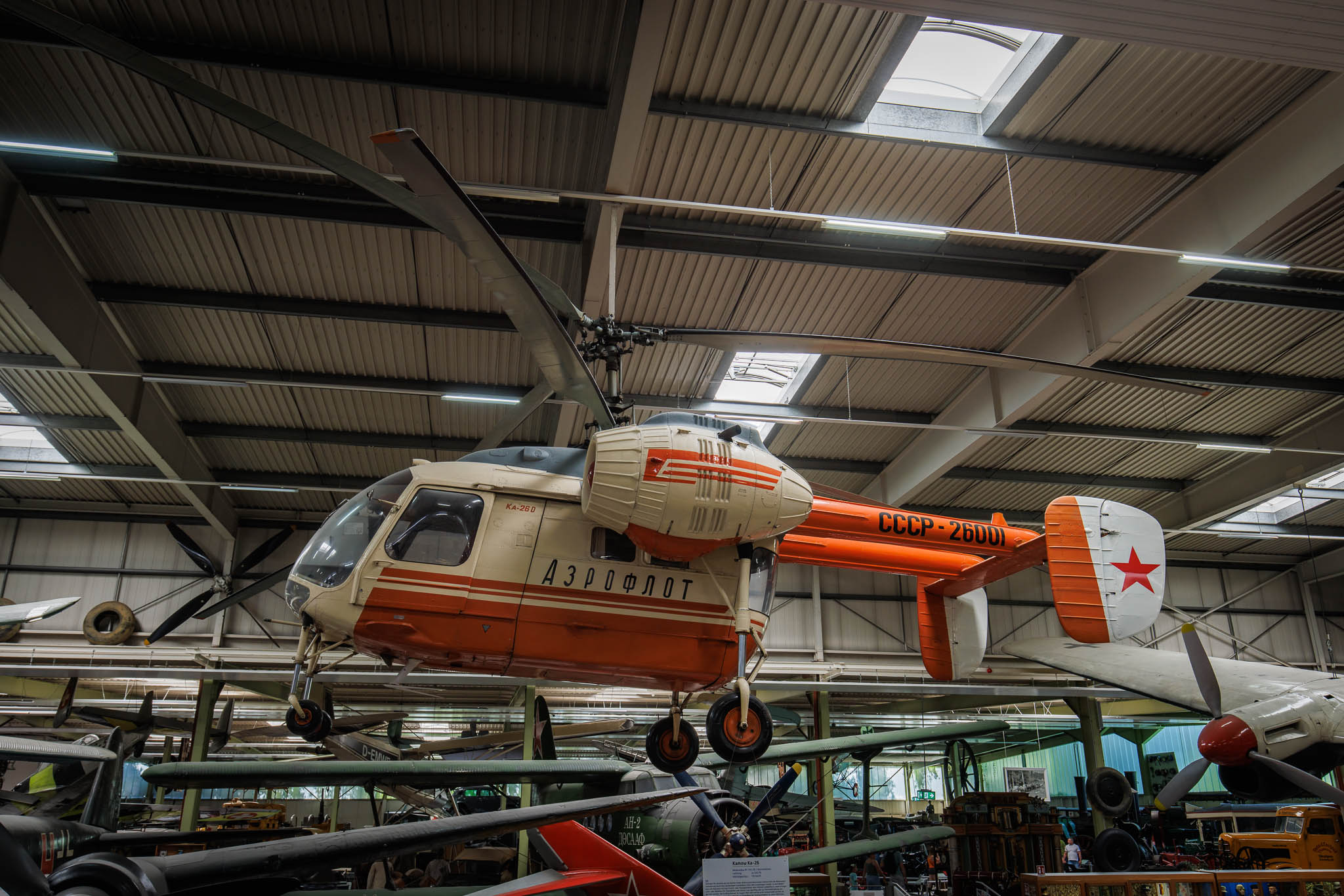
Left to right: Kamov Ka-26 Hoodlum (CCCP24054 registered D-HBAU marked 'CCCP-26001' c/n 7303204), built in 1973 marked as Aeroflot.
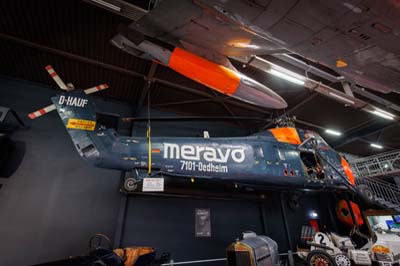
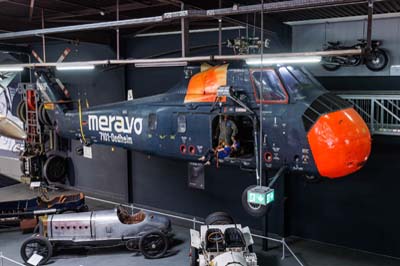
Sikorsky S-58C (B-11 marked 'D-HAUF') ex Belgian Air Force. |
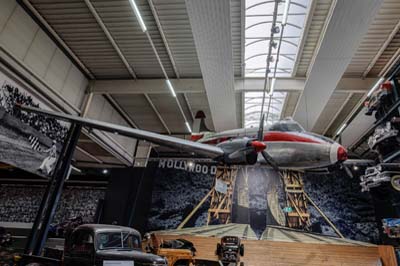
Left to right: de Havilland Dove (194) ex Irish Air Corps.
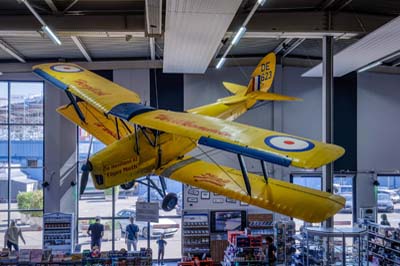
de Havilland Tiger Moth II (N6779 registered D-EDON, marked 'DE623').
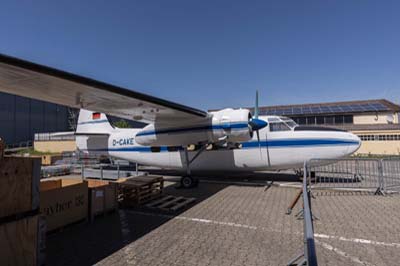
Percival C.54 Pembroke (54+02 registered D-CAKE) ex West German Air Force. |
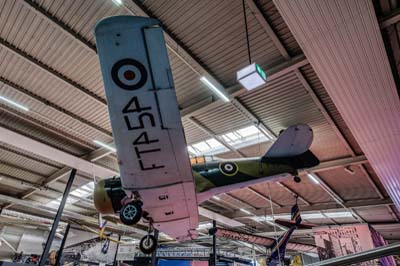
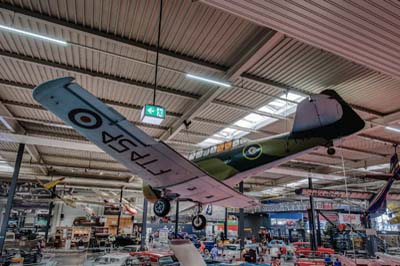
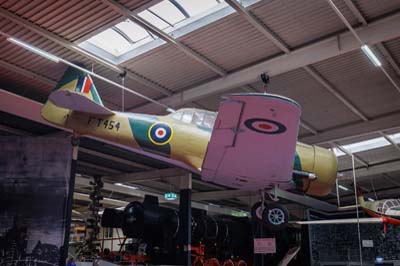
| Left to right: North American Harvard IIB (FE821 marked 'FT454'). |
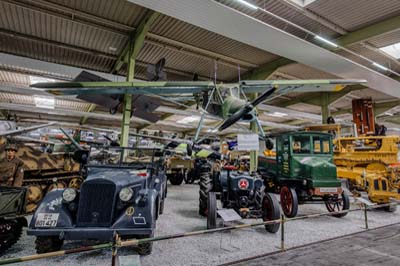
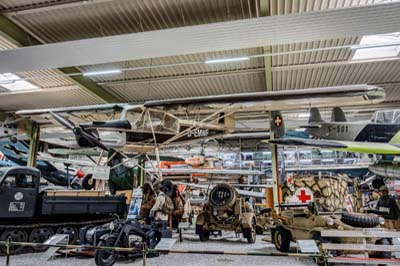
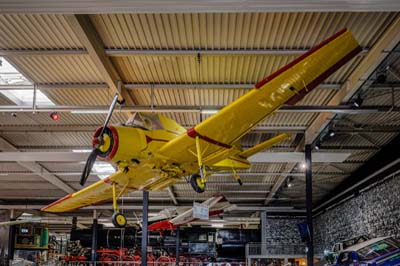
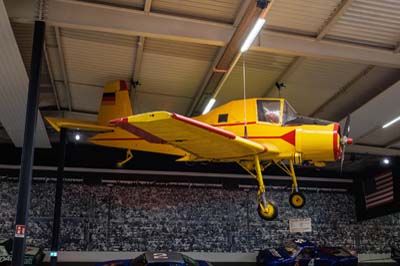
Left to right: Let Z-37A Cmelak (D-ESMU).
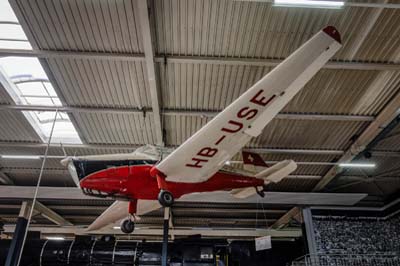
Zlin Z.381 Bestmann (HB-USE). |
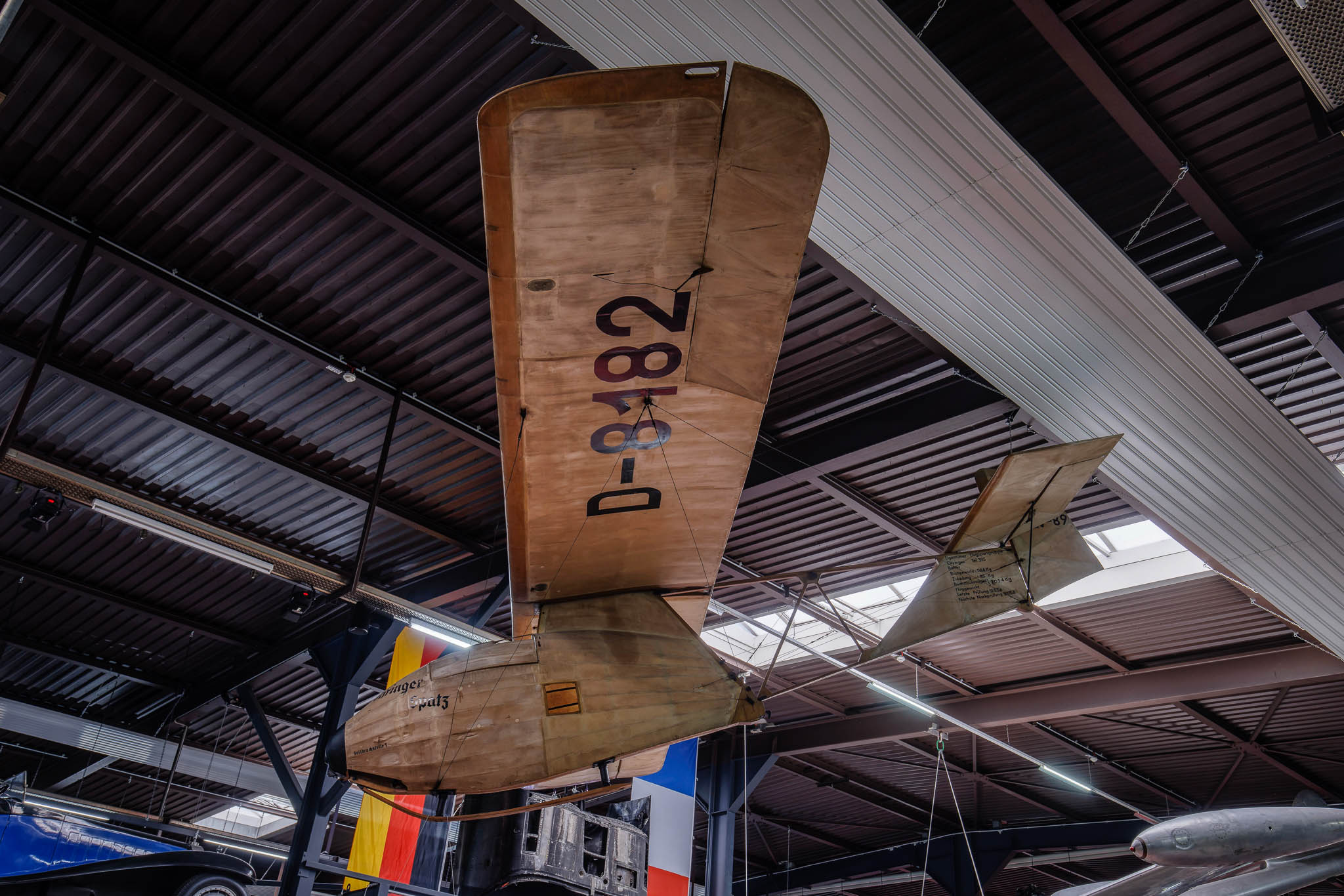
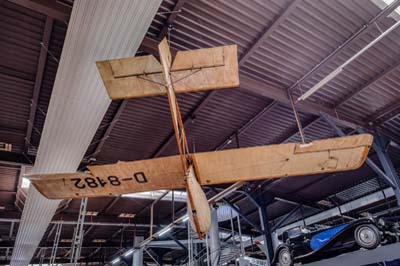
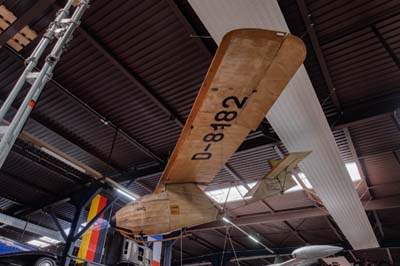
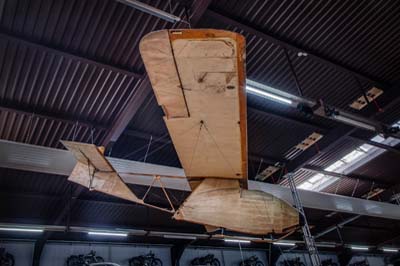
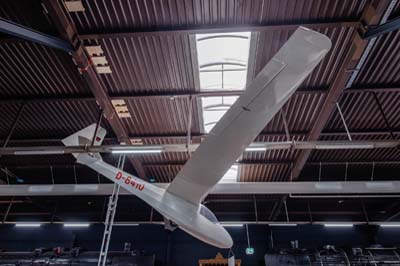
| Left to right: Schneider SG-38 Schulgleiter (D-8182). Built at the Edmund Schneider factory (Deutsche Forschungsanstalt für Segelflug - DFS). Introduced in 1938, the SG-38 was the most widely produced training glider in the world, utilized extensively for basic flight training throughout the 1940s. |
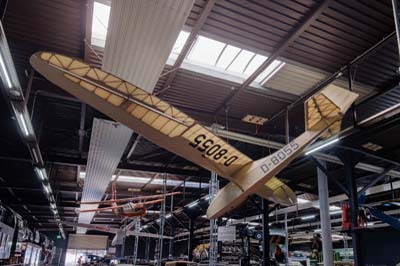
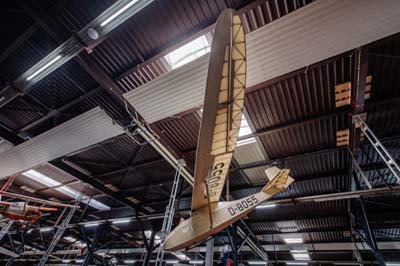
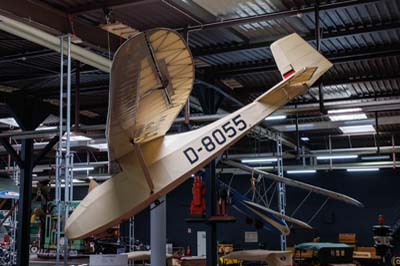
| Left to right: Grunau Baby IIb (D-8055). The first Grunau Baby was designed by German Edmund Schneider in Grunau (now in Poland), it first flew in 1931. Eventually over 6,000 were built in over 20 countries. |
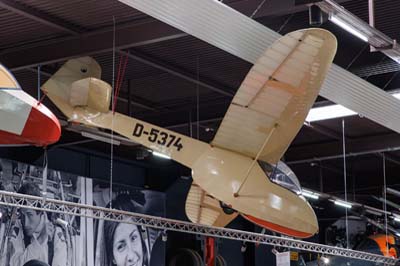
Left to right: Raab Doppelraab IV (D-5374). A 1950s-era German training glider designed by Alfons Pützer and Fritz Raab.
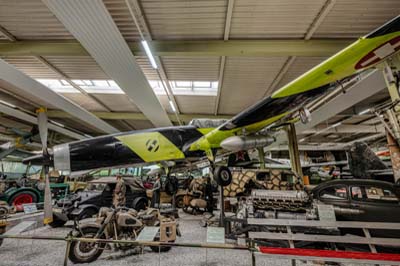
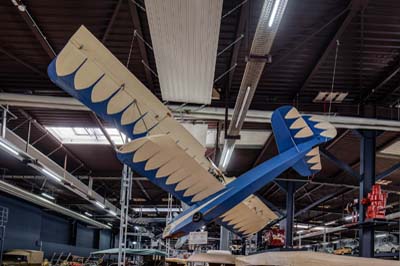
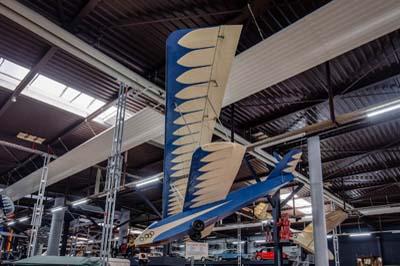
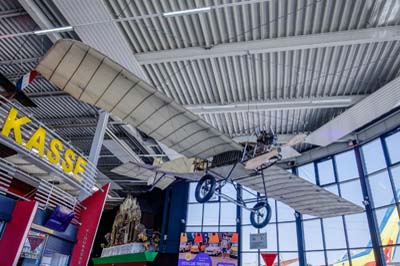
Dr Hübner Mücke (-). Reflecting the Olympic Games held in Germany in 1936, the nose of the glider was painted blue and ivory and carried the Olympic rings. The aircraft did not receive official registration and therefore never carried a civilian registration number.
When Dr Hübner died in 1938, his Mücke was lost on the grounds of a brewery in Mosbach. In 1983, the glider was rediscovered alongside a monoplane built in 1912. Both aircraft were subsequently restored by the Kornwestheim Aviation Group. |
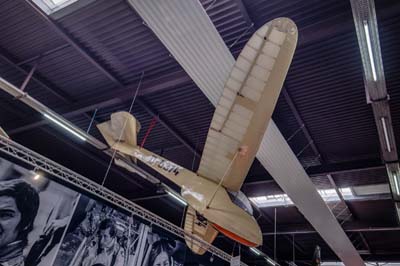
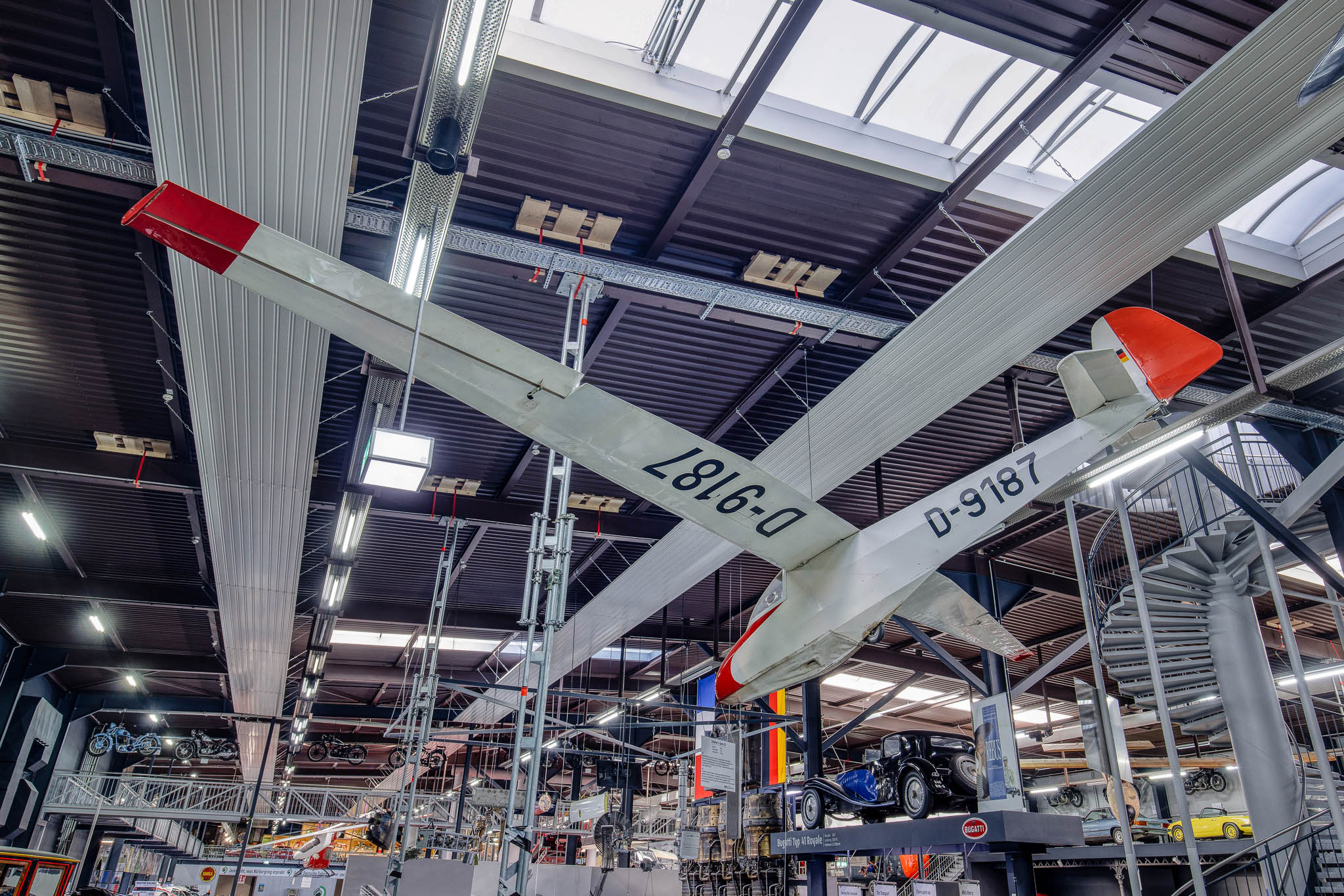
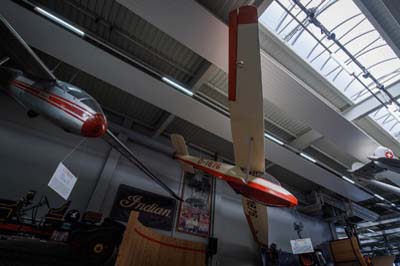
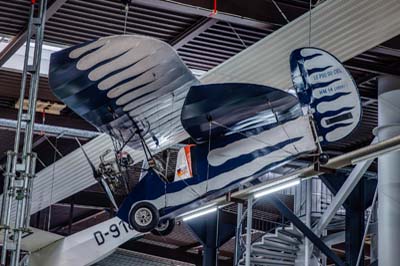
| Scheibe L-Spatz 55 (D-9187) built by Scheibe Flugzeugbau in Germany. |
Left to right: Schleicher K 8B (D-8410) from the 1950s.
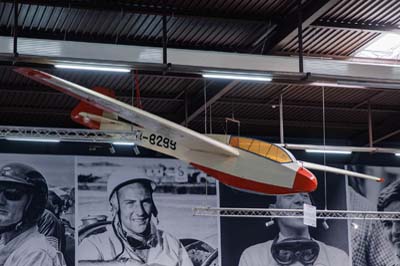
Scheibe Bergfalke II/55 (D-8299) from the 1950s.
Schleicher Ka-4 Rhönlerche II (D-1876) designed in Germany during the 1950s by Rudolf Kaiser.
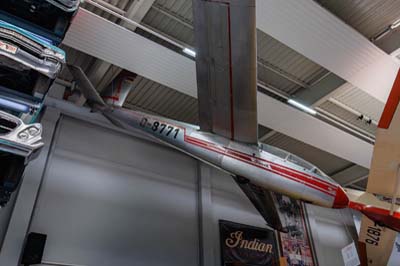
LET L-13 Blaník (D-8771). |
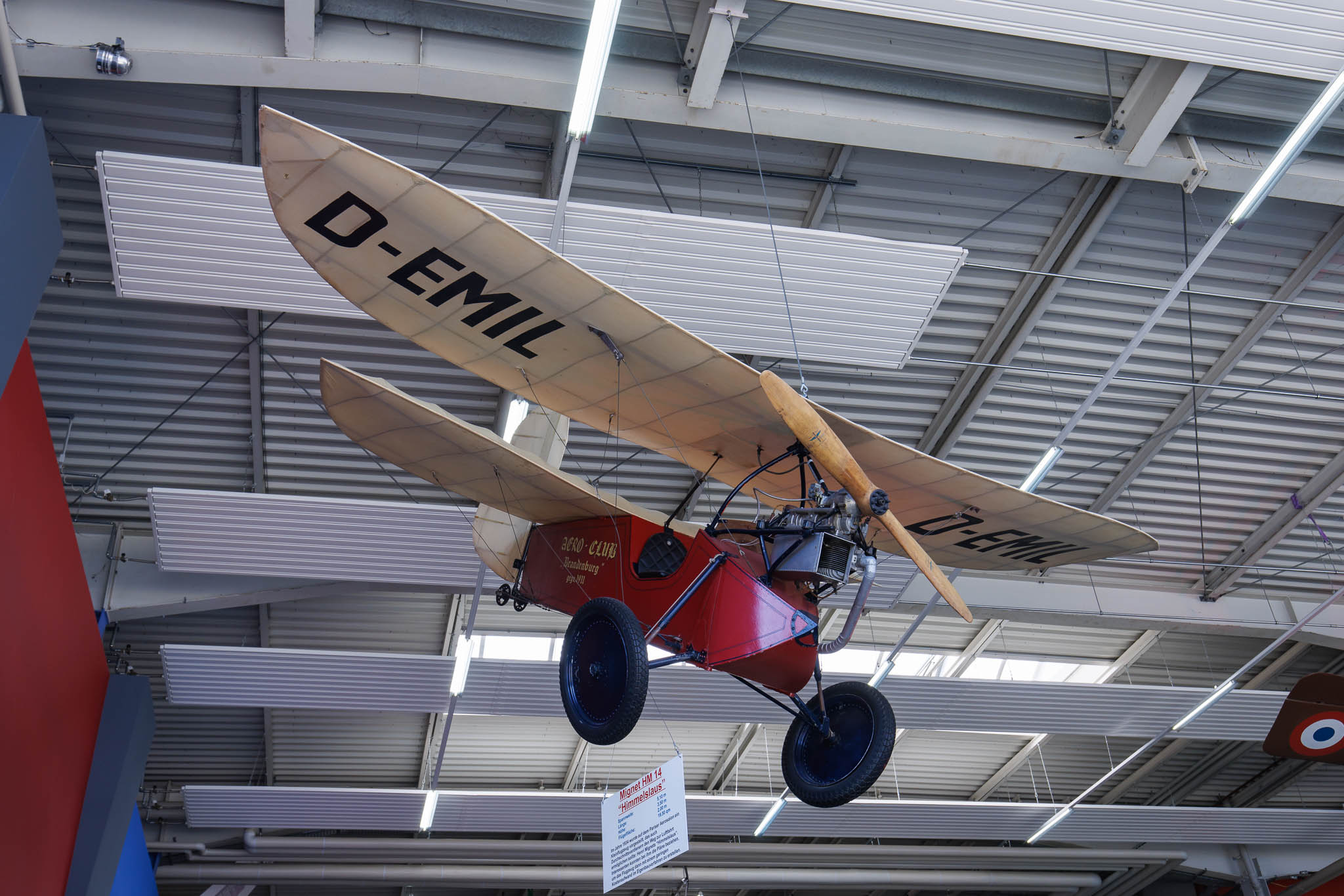 |
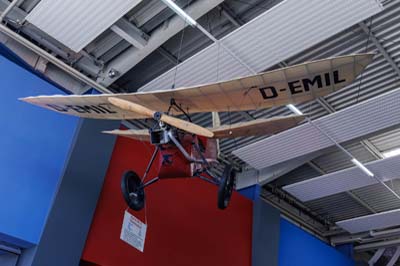
Left to right: Mignet HM.14 Himmelslaus (D-EMIL c/n 144), it is inscribed; "Aero-Club Brandenburg geg. 1911". Built between 1935 and 936.
HM.14 Pou Du Ciel (?). The HM.14, designed in 1934 by Henri Mignet was probably the first home-built to be offered to the public for home construction. Following a number of fatal accidents and the discovery of aerodynamic design errors the French authorities banned it from flying in 1936, the British authorities following suit in 1937.
The Hübner Eindecker IV was the fourth and final aircraft designed by Dr Hugo Hübner in 1912. During World War One, the aircraft was stored in a brewery, where it remained forgotten for decades before being rediscovered in 1980. Dr Hübner was a director of a brewery, possibly in the Mannheim-Mosbach area, which may explain how the aircraft survived for so long, stored away in the brewery loft. Following its restoration in 1983, it was put on display at the museum. |
 |
Outside the Museum grounds:
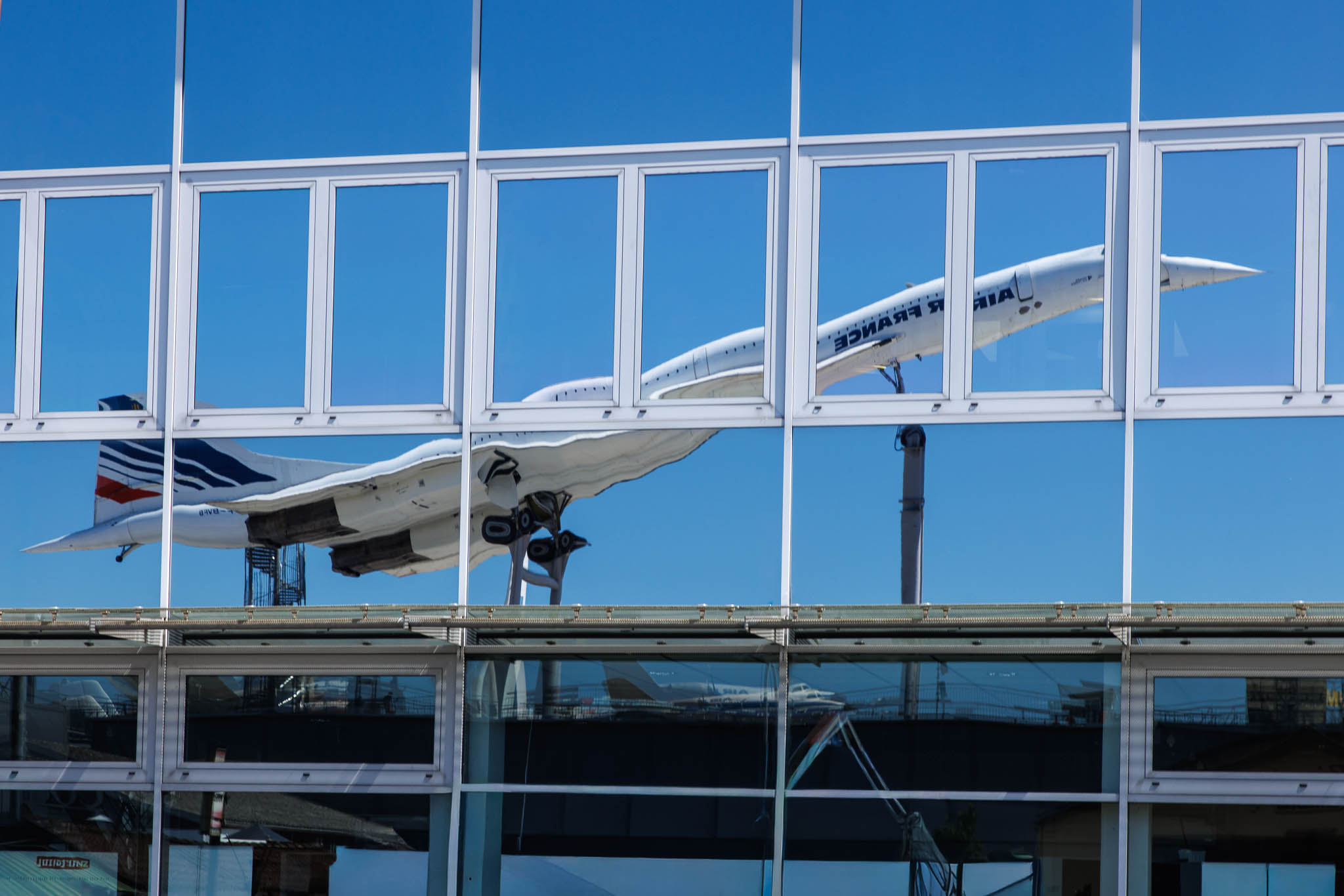
Reflected in the windows of an office block on the other side of the road is the former Air France Concorde (F-BVFB). |
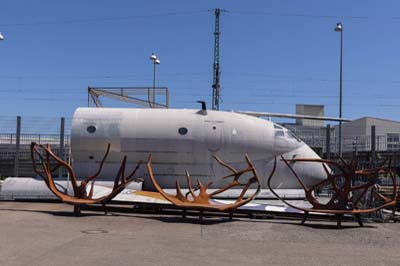
Left to right: Outside the museum grounds:
Hawker Siddeley Nimrod R.1 (XW665) ex RAF forward section only. |