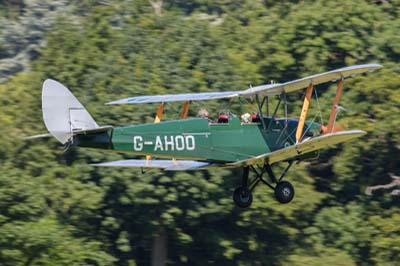
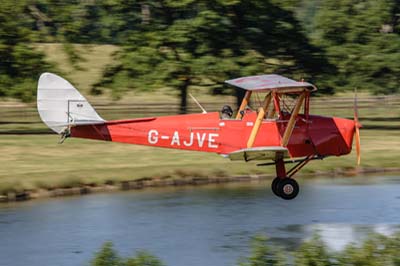
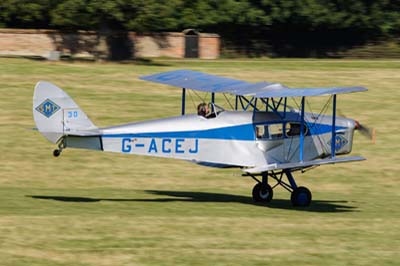
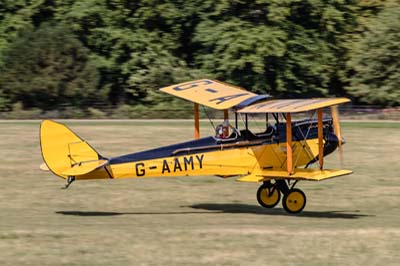
The de Havilland Moth Club's Annual International Moth Club Rally
The Woburn Abbey Years
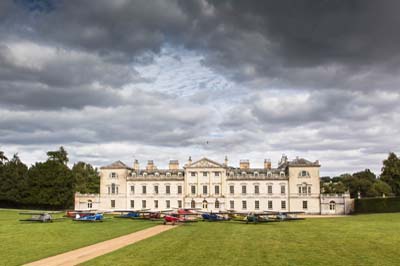
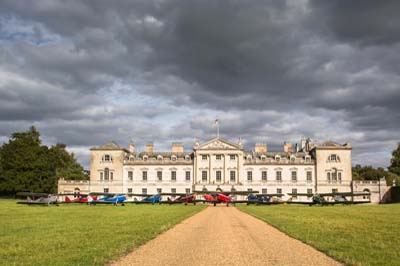
Woburn Abbey
Annually held on 3rd week of August (up to 2014)
|
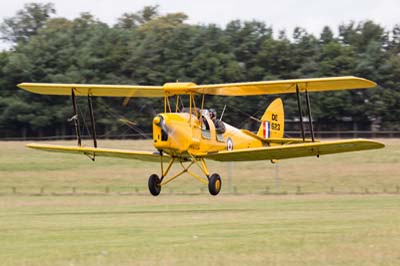
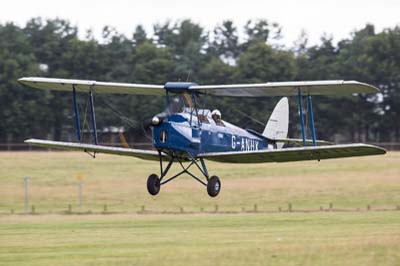
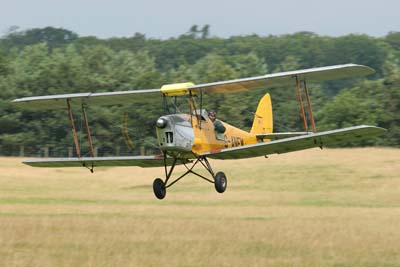
The de Havilland Moth Club presented it's 25th International Moth Club Rally in 2005 to the faithful that attend this wonderful event every year. It is held at Woburn Abbey in Bedfordshire England on the third weekend in August. Around 80 'Moths' of various types grace this attractive grass airfield over the weekend. 'Airfield' is a little over-stated here, whilst it was used as such during the World War Two, these days deer and sheep tend to graze the open parkland for 363 days of the year.
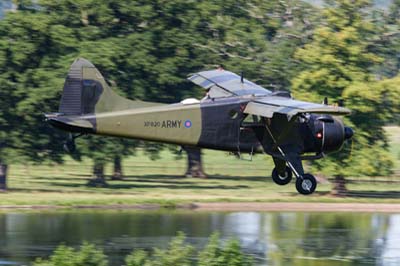
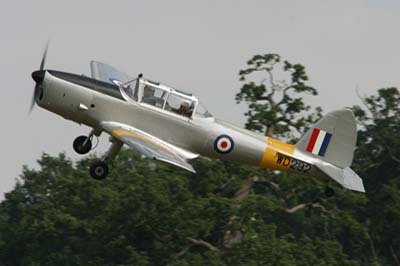
 The rally is not just for all the Moth family aircraft, but for all the other de Havilland manufactured aircraft. de Havilland types attending have included the; Dragonfly, Dragon Rapide, Dove, Heron and latterly in large numbers the DHC Chipmunk. In 2005 an ex Army Air Corps DHC Beaver attended. Modern metal constructed aircraft or 'tins', which would spoil the period look are excluded. However other vintage types are welcome guests. Visitors at previous rallies have included; a 1932 Blackburn B2, Focke-Wulf Fw 44 Stieglitz, BA Eagle and various Miles manufactured aircraft such as the Magister, Hawk Speed Six and Hawk Trainer. Even a helicopter in the shape of a SARO Skeeter has attended the rally. The Skeeter was invited as it is powered by a Gipsy Major engine.
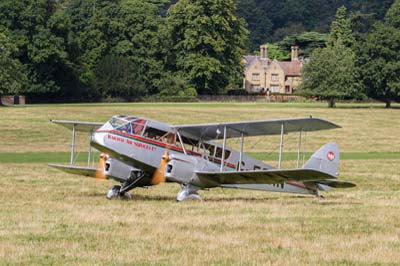
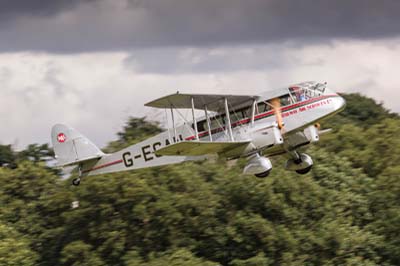
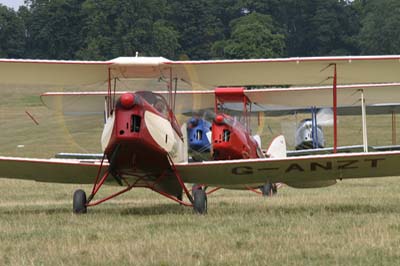
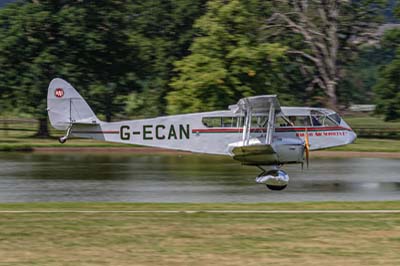
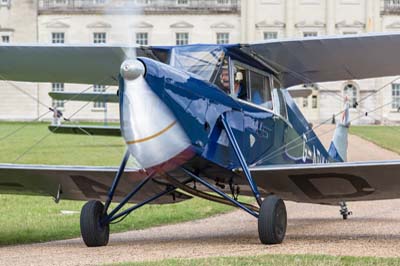
Left: DH.84 Dragon (G-ECAN) arriving from it's base at Chilbolton.
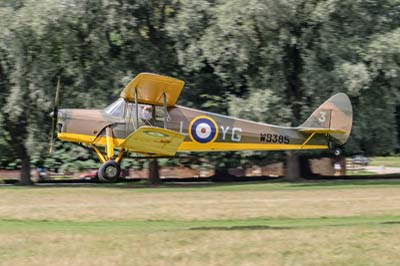
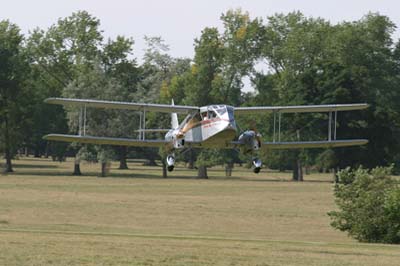
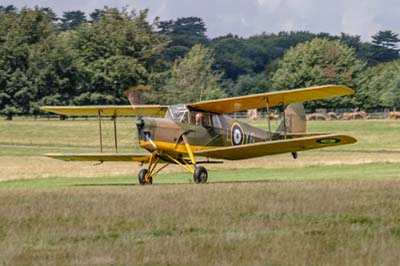
Right: DH.87 Hornet Moth (W9385 'YG-L' registered G-ADND) accelerates down the grass runway. If you look closely you will see a large herd of deer grazing in the background. Woburn Abbey is a the stately home of the Duchess of Bedford, there is no other place like it on Moth Club weekend. |
The de Havilland Moth Club
The DH Moth Club currently represents the following de Havilland types; DH.51, DH.53 Hummingbird, DH.60 Moth, DH.80 Puss Moth, DH.82 Tiger Moth, DH.83 Fox Moth, DH.84 Dragon, DH.85 Leopard Moth, DH.86, DH.87 Hornet Moth, DH.88 Comet, DH.89 Dragon Rapide, DH.90 Dragonfly and the DH.94 Moth Minor. Many of these types are represented at the International Moth Club Rally. |
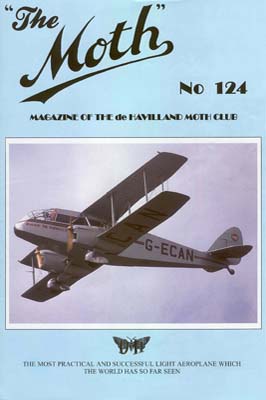
Left: An excellent quarterly magazine, 'The Moth' is included with the yearly membership of the de Havilland Moth Club. The magazine contains both features on recent Moth travelling exploits as well as historic pieces dating back to when the first de Havilland Moths flew. Members also benefit from the excellent photographic opportunities. Even if you don't wish to become a member, the public can get close
enough for superb photography. I had seven of my images published in this issue with the Woburn 2003 feature.
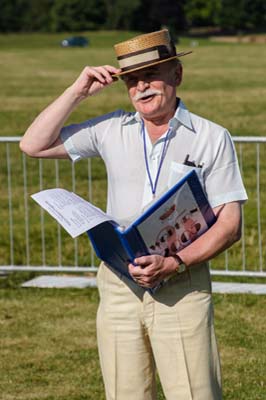
Centre: Stuart McKay MBE, editor of 'The Moth' magazine and driving force behind the rally at Woburn. Stuart has written some excellent books on the Tiger Moth and recently on the DH.60 Moth.
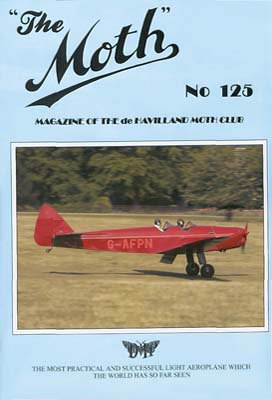
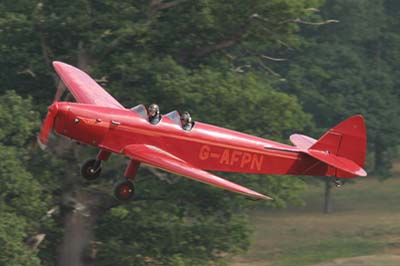
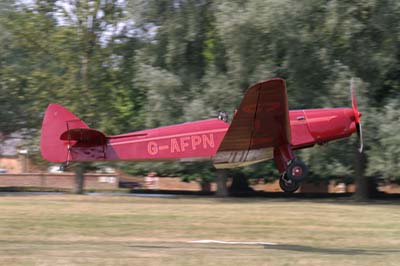
Right: I made the front cover of this issue of 'The Moth' with this shot of Moth Minor G-AFPN. The caption was; 'Front Cover. As straight as a die and firmly on the ground assisted by the big airbrake, with a touch of right aileron to counter the crosswind. The Davy family DH.94 Moth Minor G-AFPN wheels-in at Woburn 2003 where she was active throughout the weekend'. |
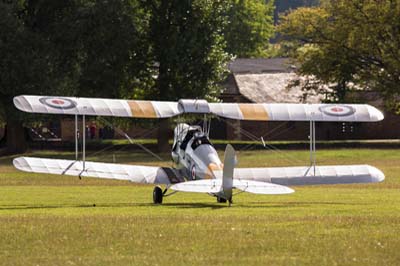
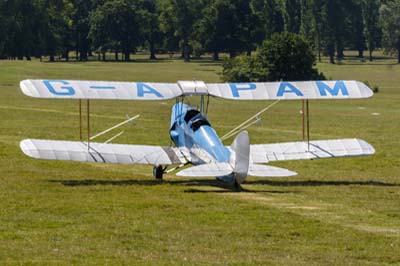
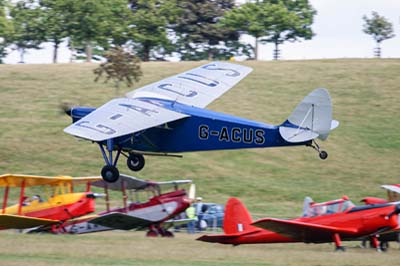
| Some examples of the photography possible at Woburn |
The Photography and atmosphere at Woburn Abbey
The flying is constant throughout the weekend, most of the visitors arrive on the Saturday and some of the pilots camp over-night. They are all treated to a meal and ball at the Abbey itself in the evening.
The key point to this show is the atmosphere. Pilots and officials discuss the ins and outs of keeping vintage aircraft in the air. Twenty or more trophies and cups are awarded for such things as; best of each type, youngest pilot, spot landing, most recent restoration and best owner restored aircraft.
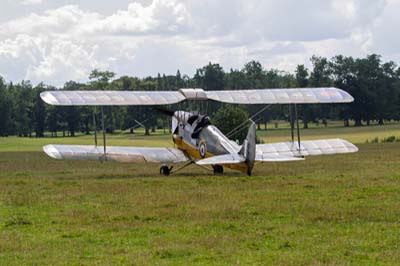
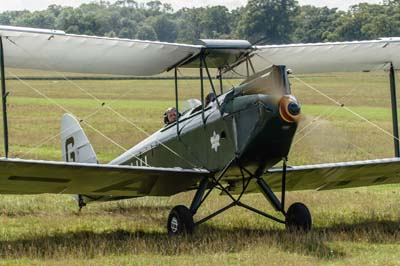
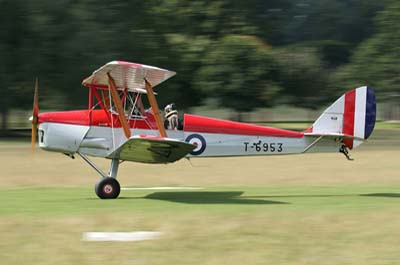
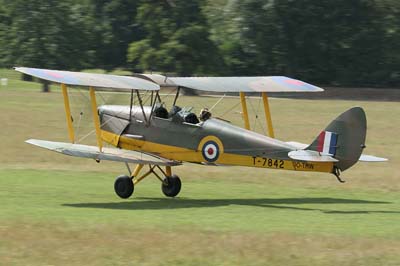
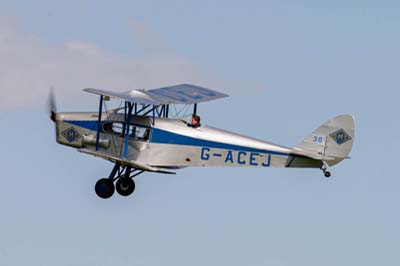
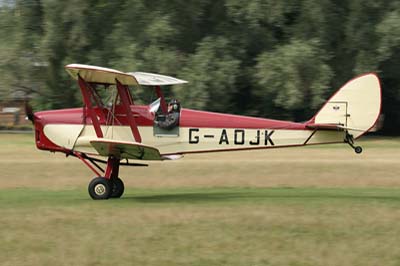
DH Moth Club Members and their guests are allowed to roam amongst the aircraft and are afforded excellent photographic opportunities. Even if you don't wish to become a member, the public can get close enough for superb photography at Woburn. Photographs taken often only have parkland in the background and so the images could easily be mistaken for photographs taken up to 70 or 80 years ago. I have had affection for grass landing strips, since my first visit to a PFA rally at Sywell in 1971 in particular. These veteran aircraft were originally designed and built for grass airfields and being able to capture them on film and now digitally in the natural surroundings is what it is all about. |
| Early morning arrivals taken from the south-western end, where you can gain a little useful elevation. |
|
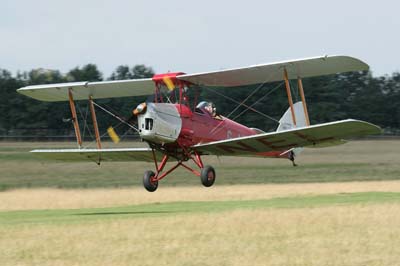
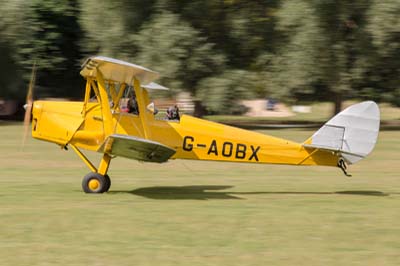
With so much activity around the airfield throughout the day it is difficult to decide at any one moment which is the best place to go for the best photographs. Early morning I prefer south-western end, with the sun behind you there are a number of location along (or in front for members) the crowd line for excellent landing shots. The light's reflection down the aircraft is particularly nice first thing in the morning. At the highest point you are looking down on a small lake, which for me is my favourite backdrop. The increased elevation at this location gives some very interesting angles as the constant streams of Moths arrive. |
|
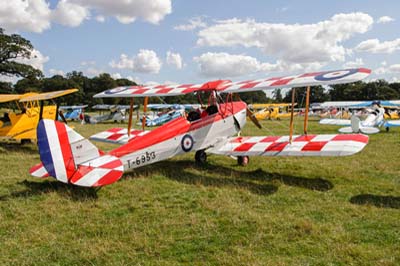
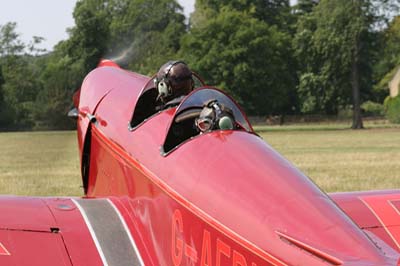
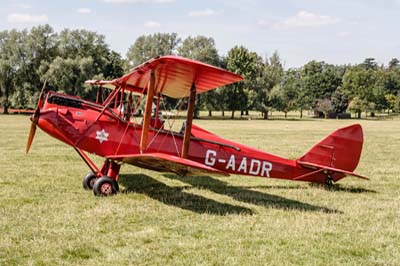
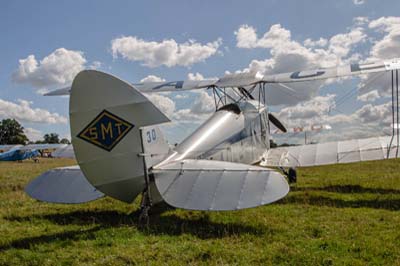
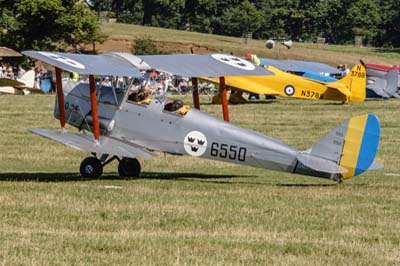
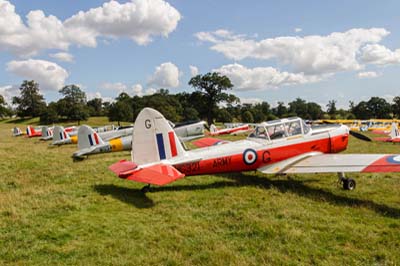
In the aircraft park you can get in close and also take those classic uncluttered 'posed' shots. |
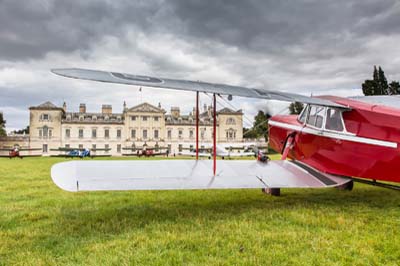
| Late morning I usually choose to wander around the Aircraft Park. Similar types of aircraft were parked together in neat rows, which is especially good for the photographer. You can get in really close here. It is essential to be constantly vigilant here for safety reasons, I always stay close to the parked aircraft for my own protection. When you do need to move, make sure that you look in every direction before going out in to the open. |
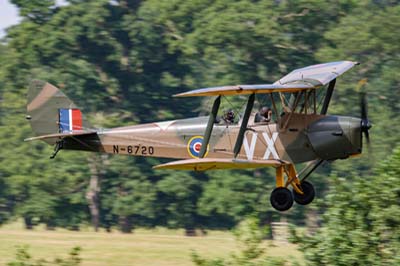
| Up at the south eastern end of the airfield, the aircraft are usually landing or taking off towards you. Again more exciting angles are possible with large trees in the background. At lunchtime it gets a little quieter, so after grabbing a quick bite to eat myself, I make sure I have seen every visitor up close and captured on 'film'. |
| Approach shots taken when they are landing from the north-east. |
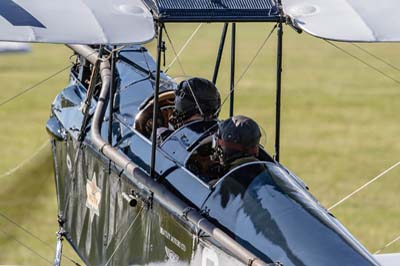
| Once in the aircraft park, you can start to experiment with angles and light. |
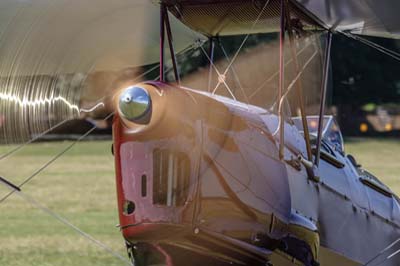
| By 2:00 p.m. the sun has moved around to shine down the length of the runway. This is the best time for taxiing shots into the sun. Again its angles and reflection that you need to be aware of, at Woburn it is all made easy by the close proximity and ease of access. |
| By mid-afternoon a quick trek by foot to the other side of the airfield is necessary if you want to stay with the sun and capture the detail of the aircraft flying. Both ends offer good opportunities but the south-western end is probably more acceptable to the stewards here. At the end of each day you can move around to capture the departing aircraft. |
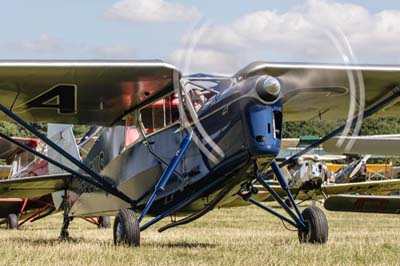
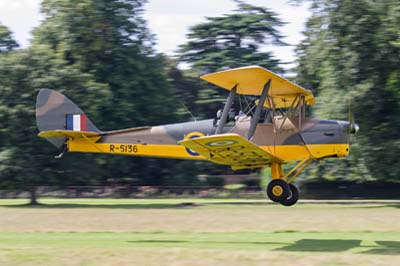
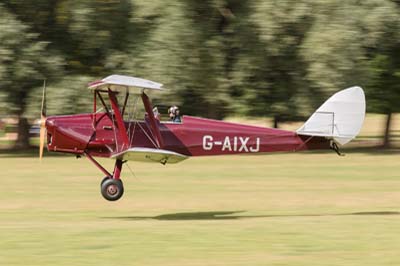
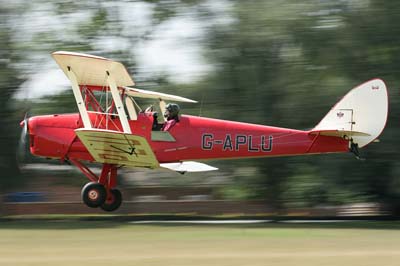
| Slow shutter speeds are essential at to produce good prop blur and to emphasise movement. I go down to 1/60th to get the best propellor and motion blurrrrr. So why not experiment with really slow shutter speeds you will get plenty of opportunities as there are so many landings and takeoffs. |
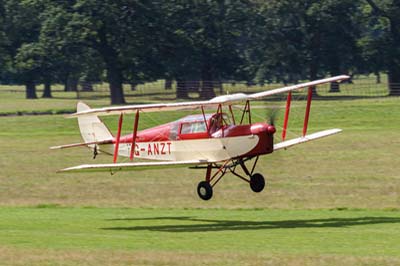
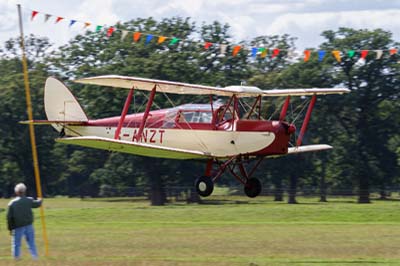
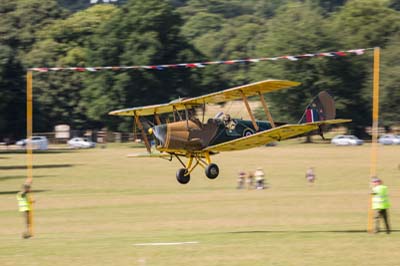
| Various flying activities take place over the weekend. DH.82A Tiger Moth (NM181 registered G-AZGZ) and Thruxton Jackeroo (Tiger Moth conversion) G-ANZT demonstrate 'limbo dancing', Moth Club style. Group photographic opportunities are everywhere. |
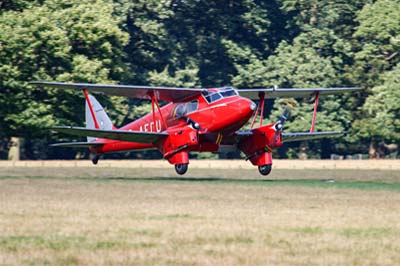
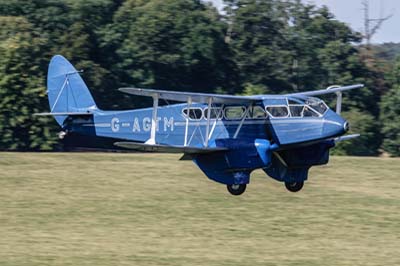
| Some of the larger ladies have less margin for error when they come in to land. |
| Every time I go to Woburn I discover more locations or angles to try, unfortunately you have to wait a year for the next photographic Moth bonanza of flying nostalgia. |
The DH Moth Club representative types; DH.51, DH.53 Hummingbird, DH.60
Moth, DH.80 Puss Moth, DH.82 Tiger Moth, DH.82 Queen Bee, DH.83 Fox Moth, DH.84 Dragon, DH.85 Leopard Moth, DH.86, DH.87 Hornet Moth, DH.88 Comet, DH.89
Dragon Rapide, DH.90 Dragon and the DH.94 Moth Minor.
Many of these types are or have been represented at the annual rally. |