Tactical Leadership Program (TLP
Flying Course 2009-3, Last TLP to be held at Florennes
Florennes Air Base, Belgium
May 4 to May 29, 2009
|
 There was nothing remarkable about TLP Flying Course 2009-3, held in May at Florennes Air Base in Belgium. The course involved as usual all aspects of NATO flying tactics that have been developed over the last 30 years of TLP. What was significant about TLP 2009-3 was that it was the last to be held at Florennes, its home for the last 20 years.
The methodology behind TLP courses is for aircrew to be given missions or what are problems for them to be solved. Course planners have also had to solve their own problems in running effective courses, as situations change. The first flying course took place at Jever Air Base in northern Germany in 1979. The unreliable coastal weather often affected courses by restricting flying. This problem was solved by moving the course to Florennes in 1989 where until now over 100 flying courses have been held.
As TLP membership expanded the complexity of the courses increased. As local aircraft noise increased complaints similarly grew. Course planners responded by moving one course a year away from Florennes to an air base of a TLP member nation. Over time situations change, as technological developments are introduced perceived and real threats evolve. In the past there was a move to fly at low-level, enabling pilots to visually identify targets and evade detection by radar. This development in tactics put added strain on the air space around Florennes, due to noise and the conflict with increasing civilian air traffic. More recently with the introduction of stand-off weapons and sensors, pilots are required to operate at medium and high level. This change of tactics brought TLP sorties into more conflict with civilian airline traffic which also was increasing. In 2006 with forecasts showing continued expansion of airline traffic it was decided that TLP had to find another area in which to operate.
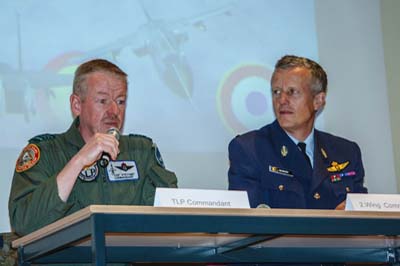 The decision was made in favour of Los Llanos – Albacete Air Base in Spain for the new home of TLP. Albacete is currently the home of the Mirage F.1, which will be replaced by the Eurofighter 2000 Tifón in 2010. Albacete offers a large unrestricted airspace at all flight levels. It would now be possible for TLP to fly night missions for the first time and for all courses to be able to operate from Albacete. The increased infrastructure will allow large aircraft to operate from the TLP home base such as the NATO E.3 AWACS.
20 million Euro was invested in the infrastructure which included a new operational headquarters, a maintenance hangar and accommodation for 500 personnel. The new Spanish Commandant TLP will be Colonel JM Salom who will take over from Colonel J Steyaert Commandant TLP (Belgian Air Force) who has held the position since January 2008. The new Commandant will welcome two new full TLP member nations (currently TLP guests) in France and Greece, bringing the total to ten. The first flying course at Albacete will be held in November 2009. For 2010 the TLP will consist of six flying courses, with course 2010-3 and 2010-4 including a week of night flying.
The TLP mission is to; ‘Increase effectiveness of Allied Air Forces through the development of leadership skills, mission planning, briefing, tactical air operations and debriefing skills and conceptual and doctrinal initiatives’. |
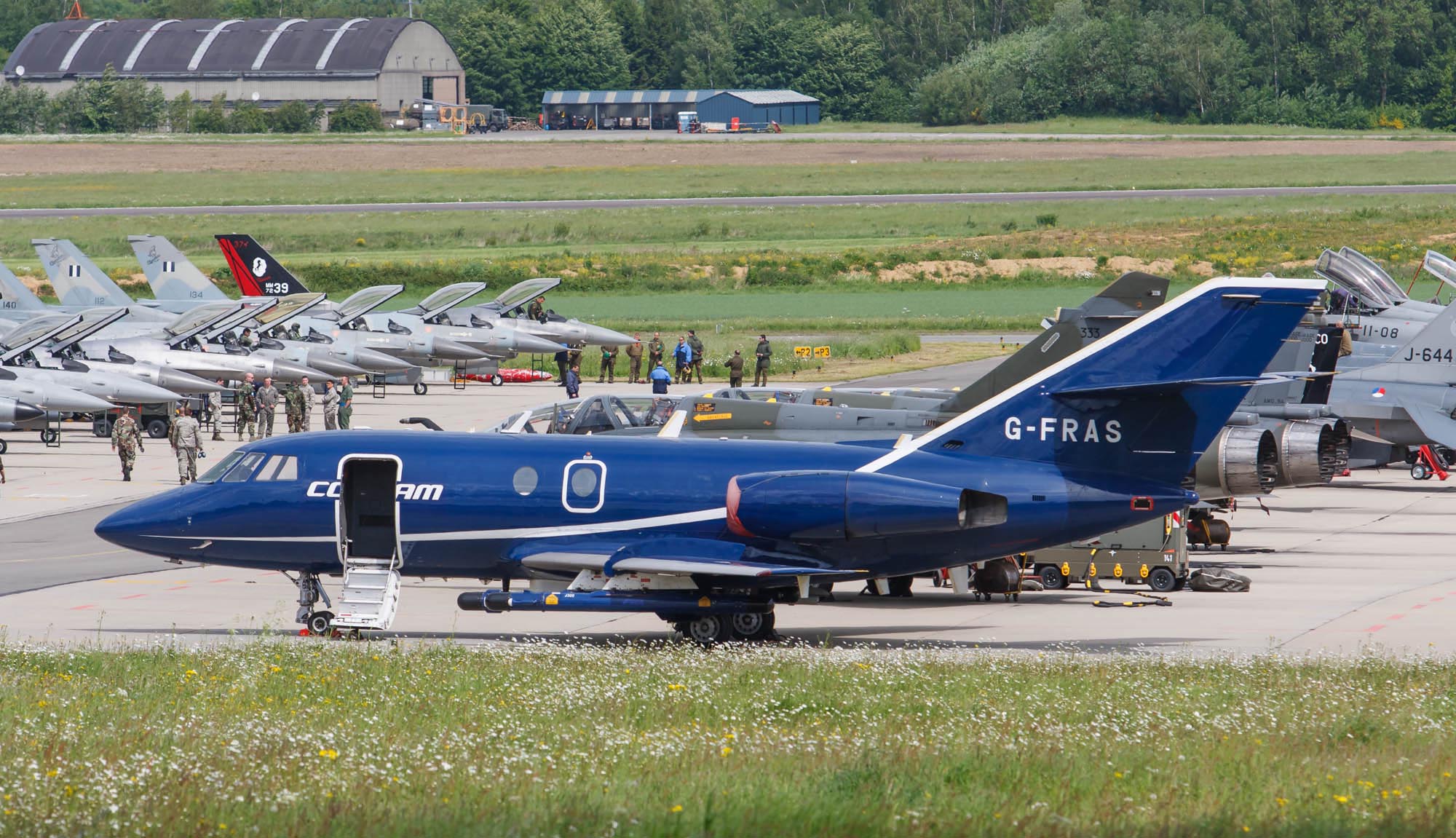 |
The TLP 2009-3 flightline
|
TLP Course 2009-3
The participants -(Blue Air)
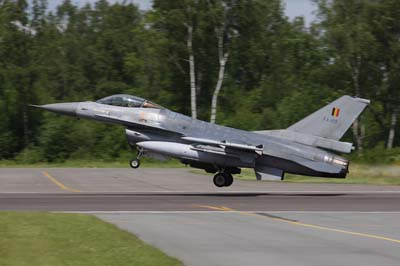
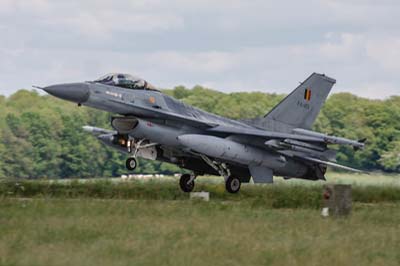
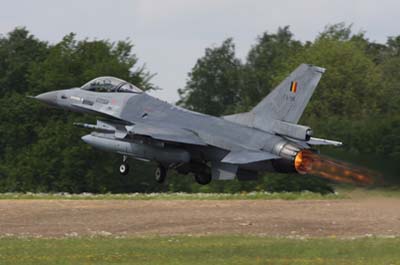
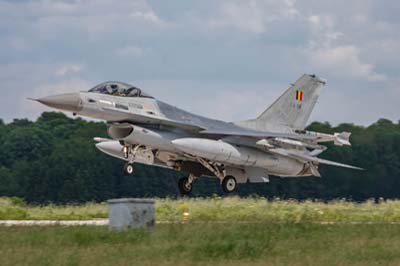
2x F-16AM Belgian Air Force (10 Wing from Florennes)
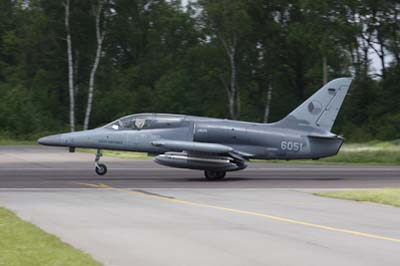
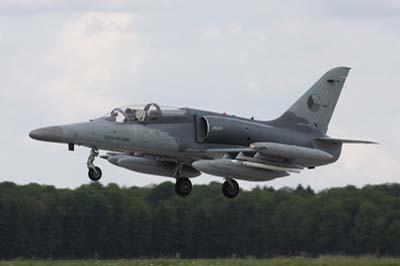
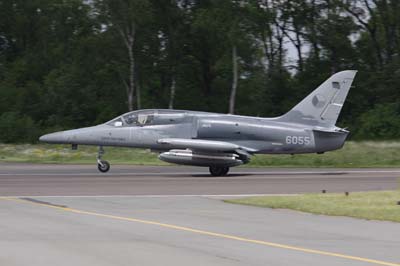
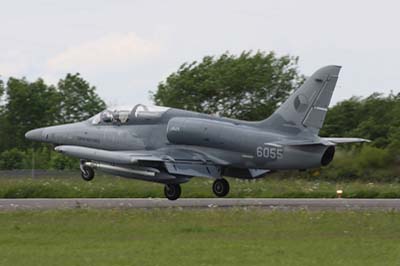
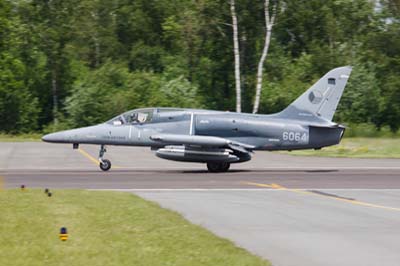
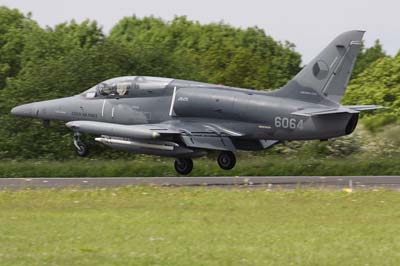
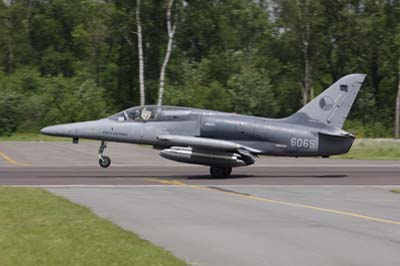
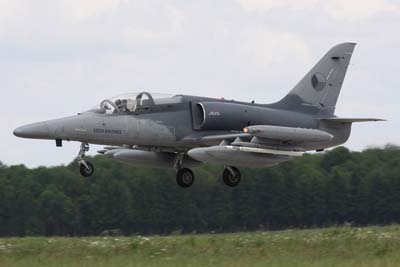
4x L-159A Czech Air Force (21.zTL, 212.tl from Cazlav)
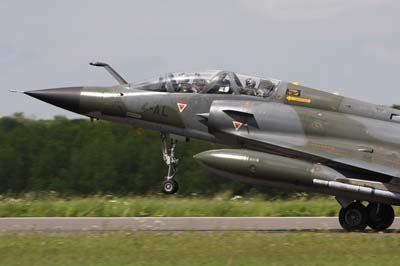
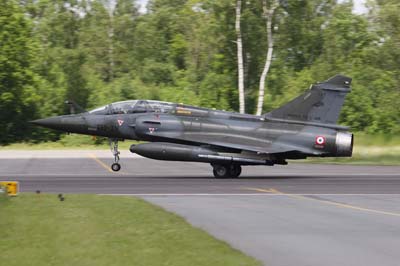
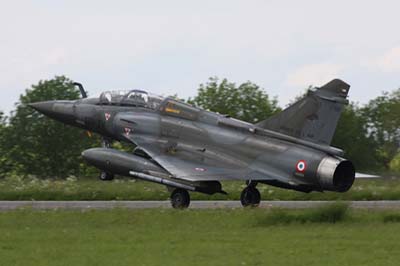
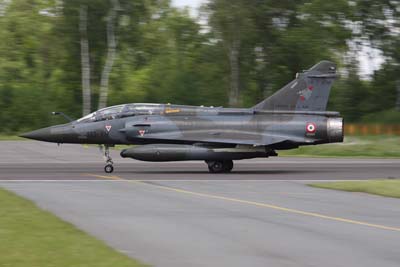
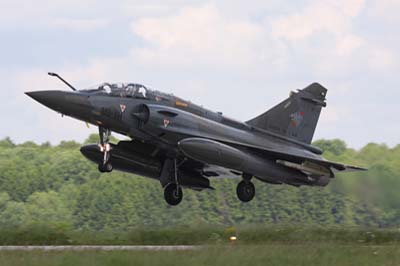
2x Mirage 2000D French Air Force (EC01.003/EC02.003 from BA 133 Nancy-Ochey)
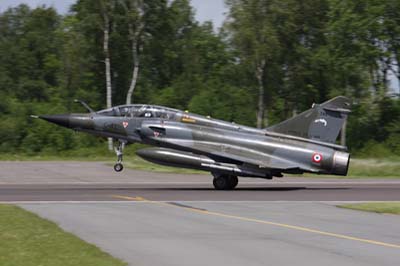
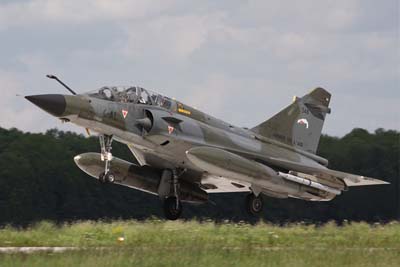
2x Mirage 2000N French Air Force (EC01.004 'Dauphine' from BA 116 Luxeuil-St.Sauveur)
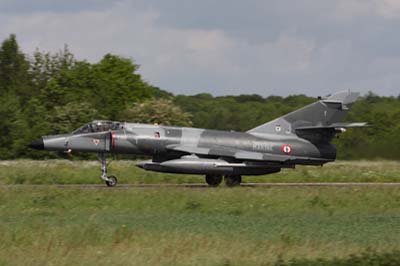
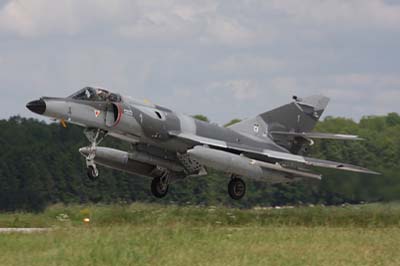
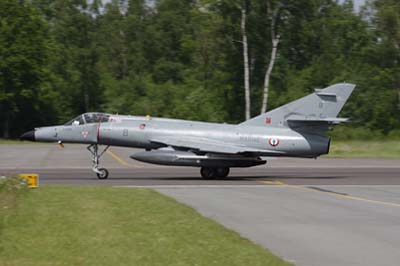
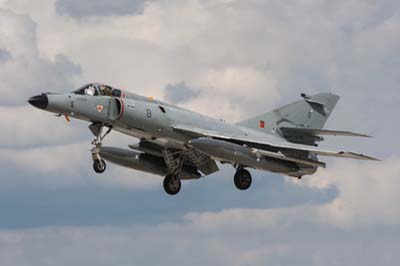
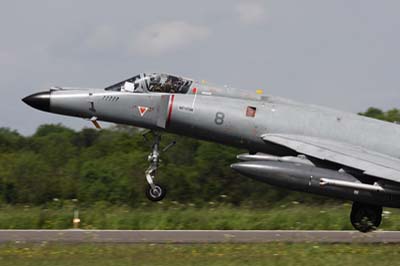
2x Super Etendard French Navy (11 Flotille and 17 Flotille from Landivisiau)
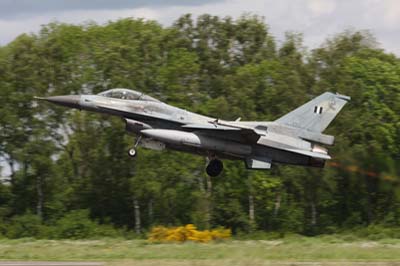
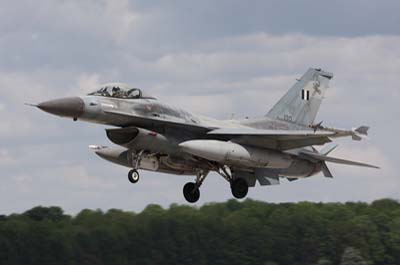
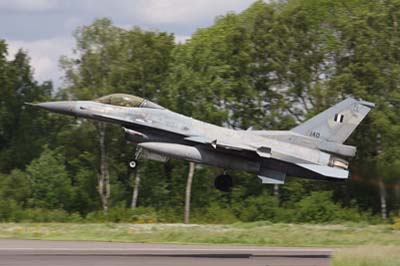
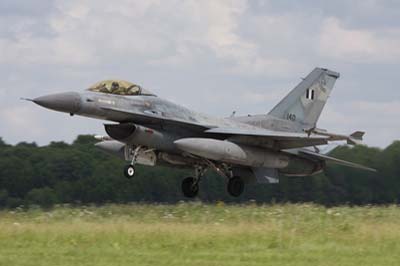
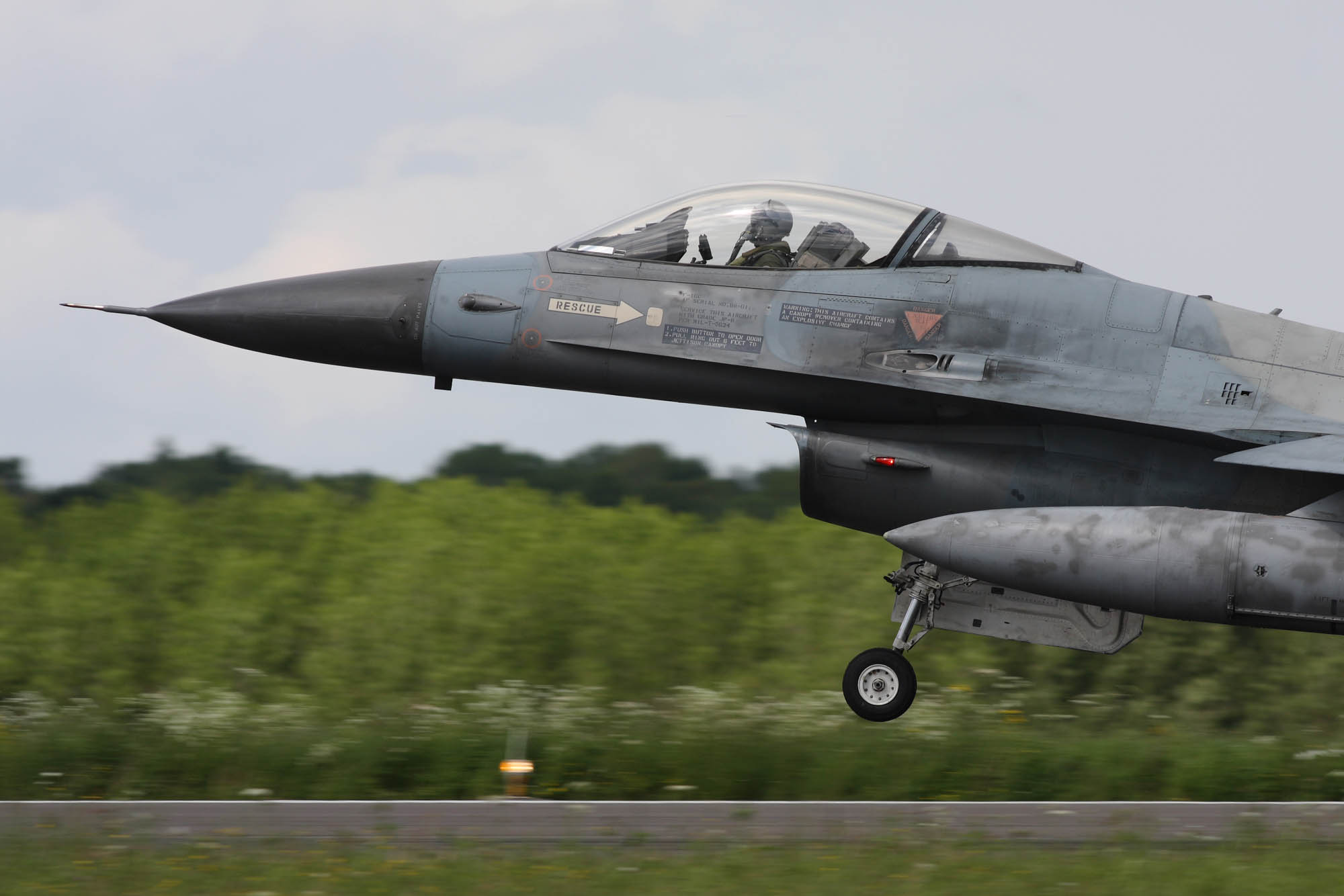
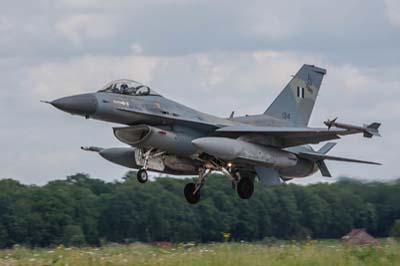
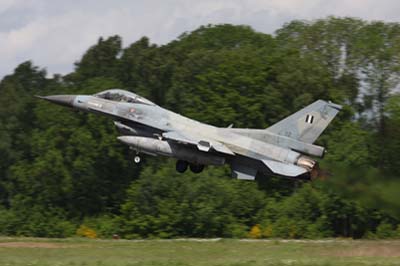
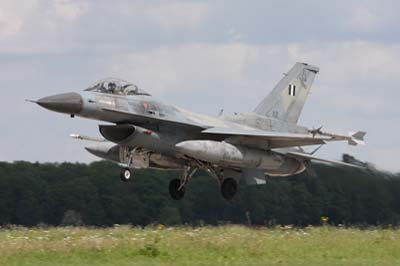
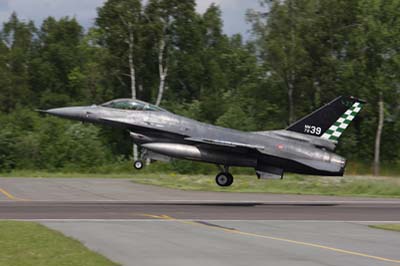
2x F-16C Hellenic Air Force (346 Mira from Larrisa)
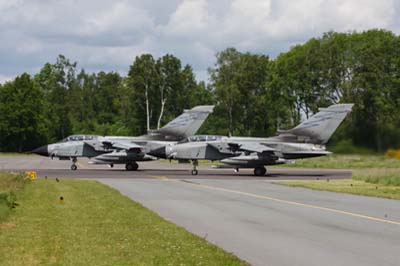
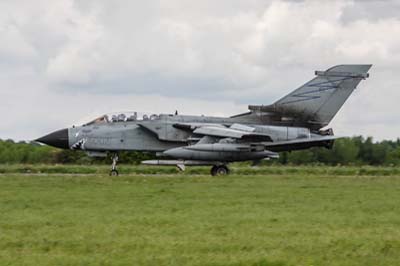
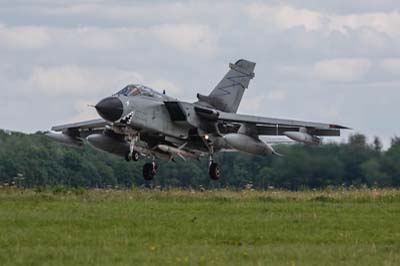
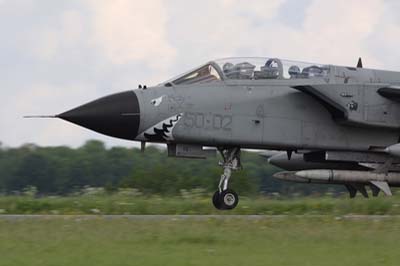
2x Tornado ECR Italian Air Force (50° Stormo, 155° Gruppo from Piacenza)
2x F-16C/D Polish Air Force (3/6ELT from Poznan)
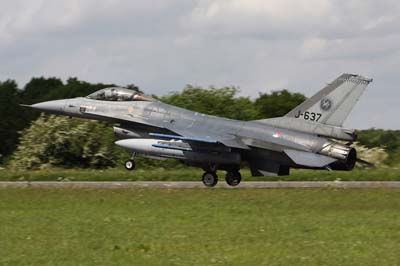
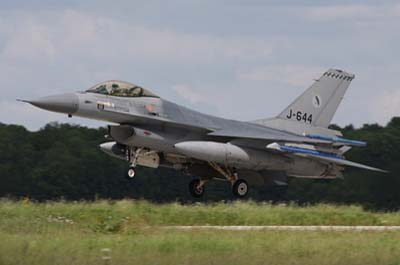
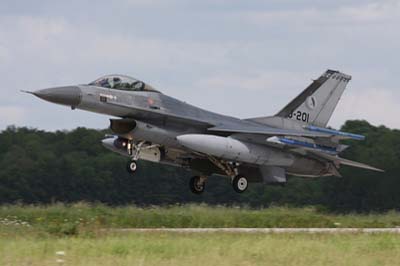
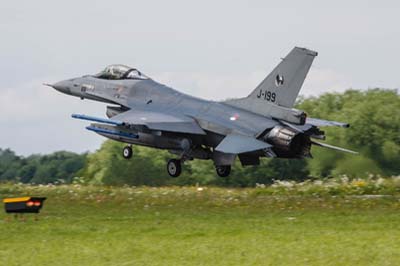
4x F-16AM Royal Netherlands Air Force (311, 312 Squadrons from Volkel and 322 Squadron from Leeuwarden)
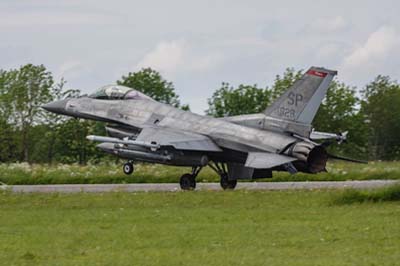
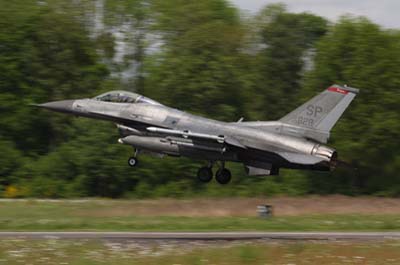
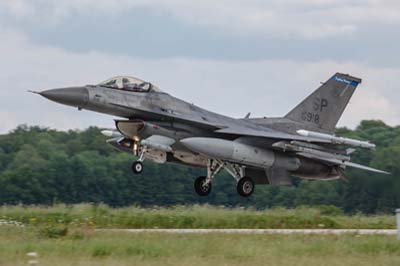
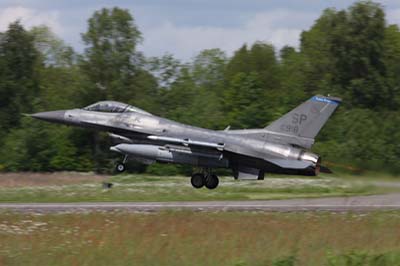
2x F-16DJ United States Air Force (52 FW, 22 FS Spangdahlem)
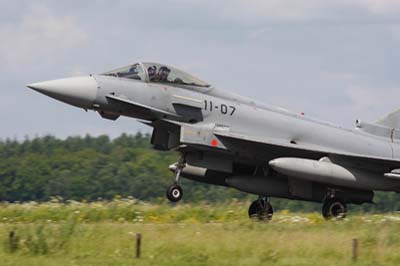
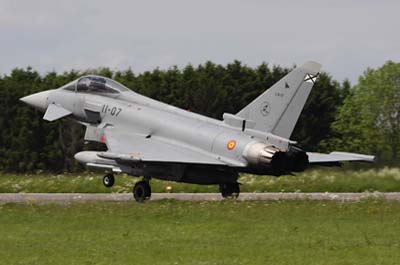
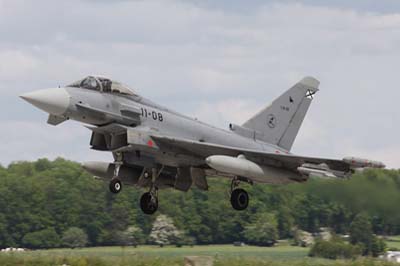
2x EF2000 Spanish Air Force (Ala 11, Esc 111 from Moron)
External Assets (Red Air)
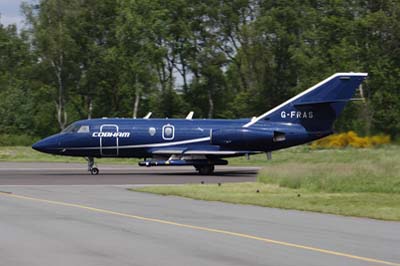
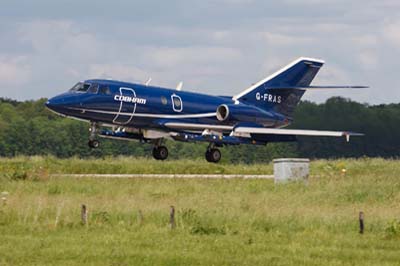
1x Dassault Falcon 20ECM (Cobham Aviation Services)
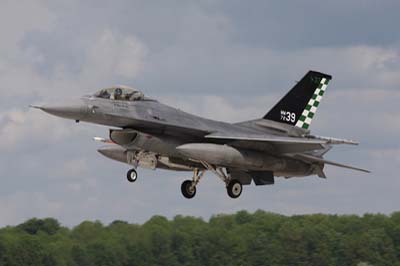
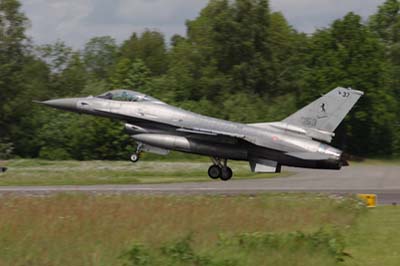
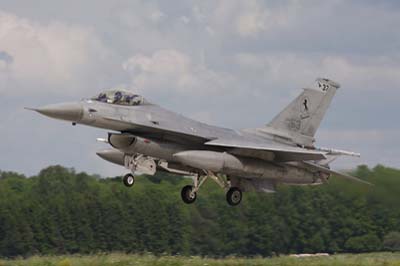
2x F-16ADF Italian Air Force (37° Stormo 10° Gruppo from Trapani)
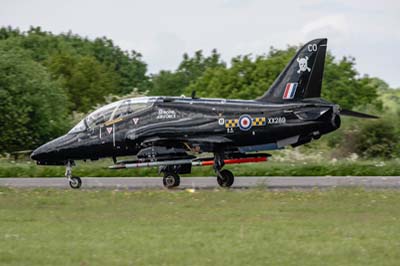
2x Hawk T.1A RAF (100 Squadron from Leeming)
2x F-16C Hellenic Air Force (346 Mira from Larrisa)
|
| Left to right: General Dynamics F-16AM Fighting Falcon's (FA-103 and FA-98) of 10 Wing Belgian Air Force based at Florennes. |
| Left to right: L-159A (6051 and 6055) of 21.zTL, 212.tl Czech Air Force based at Cazlav. |
| Left to right: L-159A (6064 and 6065) of 21.zTL, 212.tl Czech Air Force based at Cazlav. |
| Left to right: Super Etendard (1 and 8) of 11 Flotille and 17 Flotille French Navy based at Landivisiau. |
| Left to right: Mirage 2000N (348 '4-AL') of EC01.004 'Dauphine' French Air Force based at BA 116 Luxeuil-St.Sauveur. |
| Left to right: Mirage 2000D (683 '133-IV' and 616 '133-XH') of EC02.003 French Air Force with the new style codes indicating the home base (Base Aérienne 133 - Nancy-Ochey) rather than the squadron. |
| Left to right: F-16AM Fighting Falcons (J-637, J-644, J-201 and J-199) of the Royal Netherlands Air Force, 311, 312 Squadrons from Volkel and 322 Squadron from Leeuwarden. |
| Left to right: F-16 (130 and 140) of 346 Mira Hellenic Air Force based at Larrisa. |
| F-16C (112) of 346 Mira Hellenic Air Force based at Larrisa |
| F-16C (134 and 112) of 346 Mira Hellenic Air Force based at Larrisa. |
| Left to right: Tornado ECR (MM7053 '50-07' and MM7052 '50-02') of 50° Stormo, 155° Gruppo Italian Air Force based at Piacenza. |
| Left to right: F-16DJ (90-0828 'SP' and 92-3918 'SP') of United States Air Force 23 FS, 52 FW based Spangdahlem in Germany. |
Left to right: EF2000 Tifon (C.16-27 '11-07 and C.16-28 '11-08') of Ala 11, Esc 111 Spanish Air Force based at Moron.
|
| Left to right: Dassault Falcon 20ECM (G-FRAS) of Cobham Aviation Services (formally FR Aviation) and Hawk T.1A (XX289 'CO') of 100 Squadron, RAF based at Leeming. |
| Left to right: F-16ADF (MM7239 and MM7253) of 37° Stormo 10° Gruppo Italian Air Force based at Trapani. |