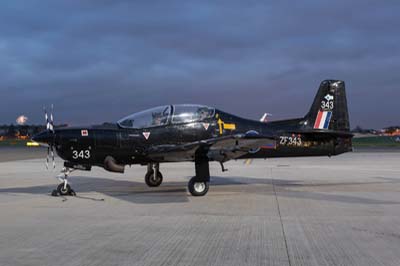
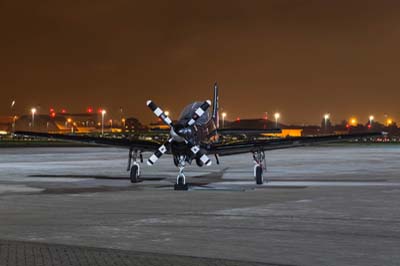
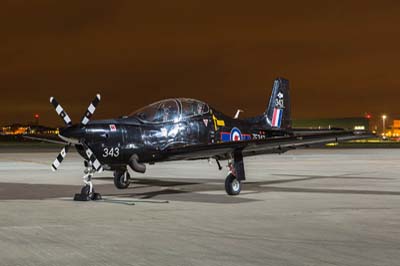
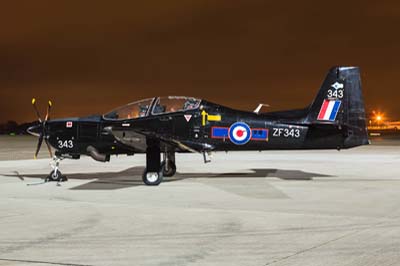
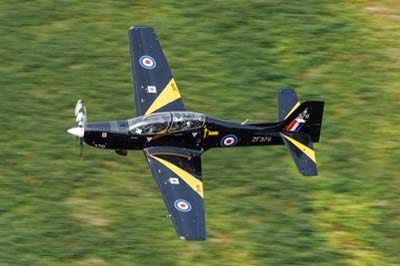
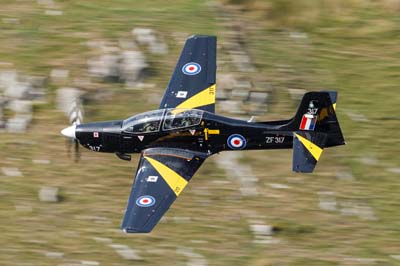
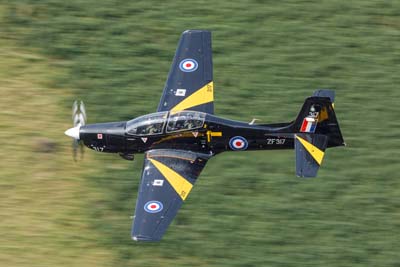
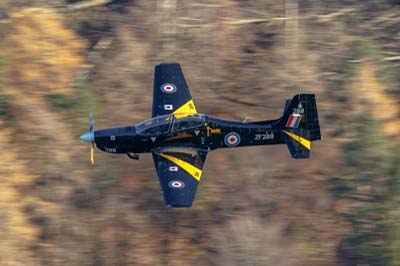
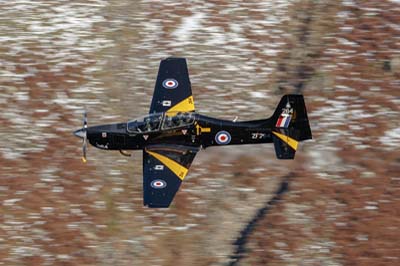
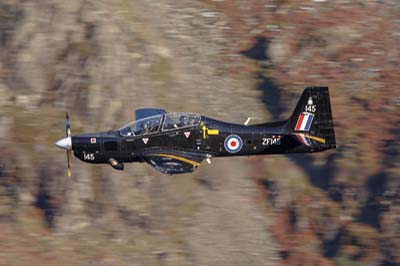
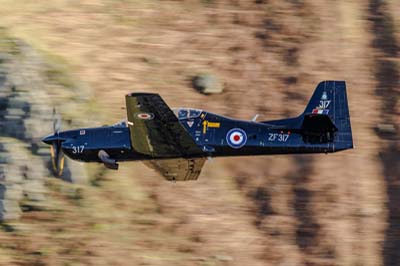
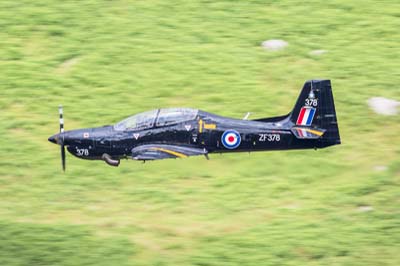
Tucano T.1 retired October 25, 2019
1 Flying Training School
72(Reserve) Squadron
RAF Linton-on-Ouse |
All potential fast-jet pilots for the RAF and Royal Navy attend the Basic Fast-Jet Training (BFJT) course at 1 Flying Training School (1 FTS) at RAF Linton-on-Ouse to fly the Tucano T.1. Around 70 students each year graduate and pass on to advanced flying training. 1 FTS comprises three squadrons; 72(Reserve) and 207(Reserve) which are responsible for BFJT and the Central Flying School Tucano Squadron (CFSTS) which are tasked to train exchange pilots and to provide future instructor pilots.
The fundamentals of low-flying are taught during basic flying training on the Tucano, with low-flying navigational exercises. Student pilots will have already demonstrated an ability to fly during elementary flying training on the Grob Tutor T.1.
The four BFJT courses are run simultaneously and comprise 120 hours of flying over the 40 weeks. Around 80 sorties are flown every day, requiring around 25 aircraft to be serviceable each morning from a total fleet of 55 aircraft.
Flying at 210 knots (389 km/h) or 3.5 miles per minute students are initially cleared down to 500 feet MSD before being cleared down to 250 feet. Students will use a stopwatch and map to navigate while visually estimating their altitude when flying at low-level. Despite the recent addition to the Tucano's equipment of the Traffic Collision Avoidance System (TCAS), students are expected to keep a good look out for any conflicting traffic.
Students are expected to fly solo on the 9th sortie. By sortie 25 they are ready to be tested before being cleared for solo aerobatics. On sortie 50 students are tested on basic handling and navigation, including the more demanding low-level navigation flying at a minimum height of 500 feet (152m) MSD. Most low-level flying is conducted over the nearby Yorkshire Dales. Now, at the halfway stage student's move onto tactical flying training. This includes; formation, night, instrument and further navigational training exercises. Progressing to low-level flying at 250 feet (76m) they will use initial points (IP) for attacks on targets and fly fighting-wing formations. A final navigation test is flown on around sortie 96. This highly demanding test requires students to fly to a designated airfield at both high level and at low-level for planned simulated attack on a target to within plus or minus five seconds, before returning to base after 1¼ hours of flying. In the final ten hours of the course they are taught tactical low-level flying as a fighting pair. A final test involves flying as a fighting pair in close formation with tactical flying at low-level, it also includes landing at an unfamiliar airfield, typically Prestwick, Leuchars or Lossiemouth. During the return flight they start as a pair before breaking off to fly home at low-level.
On graduating and receiving their 'Wings' most students will join 208(Reserve) Squadron at RAF Valley to fly the Hawk T.1. A few students are 'creamed' off and move to the Central Flying School (CFS) to be trained as flying instructors. Of the 40 qualified flying instructors (QFI) at Linton, most have come from fast-jet squadrons, the rest have multi-engine or rotary engine experience, one or two have returned from CFS.
On May 12, 2011 76(Reserve) Squadron disbanded, they previously operated the Tucano T.1 at RAF Linton-on-Ouse as the Tucano Air Navigation Squadron (TANS) which provided basic navigation training for its student pilots. With a further reduction in the number of student pilots undertaking basic fast-jet training on the Tucano, lead to the disbanding of 207 (Reserve) Squadron in January 2012.
On October 25, 2019, the Tucano was withdrawn from RAF service after 30 years' service.
November 28, 2019 72(R) Squadron stood up on the Beechcraft Texan T.1 at RAF Valley.
|
| 72(Reserve) Squadron at low-level |
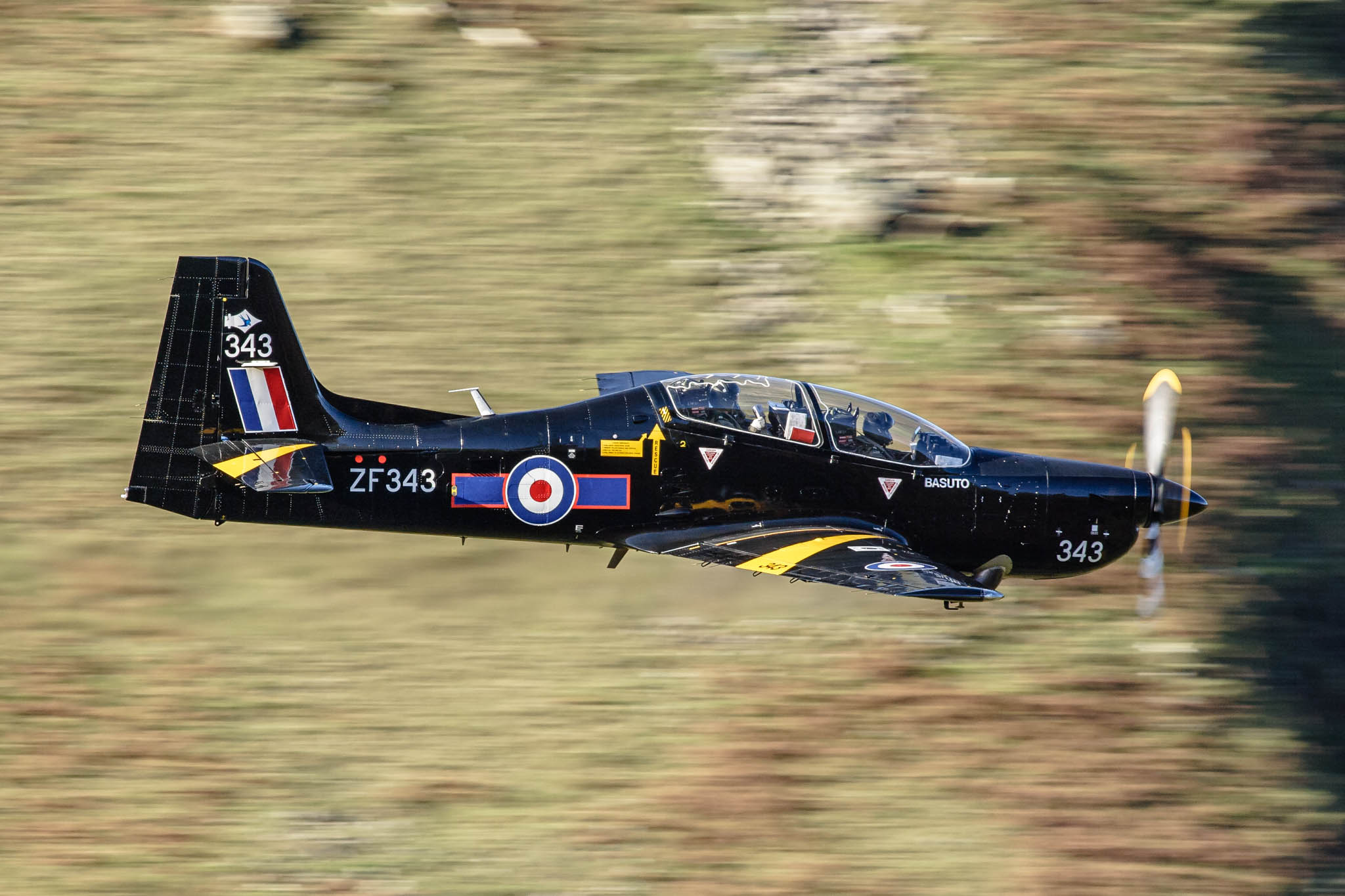
| Tucano T.1 (ZF343) inscribed 'Basuto' of 72(R) Squadron low-flying through the Lake District in November 2006. |
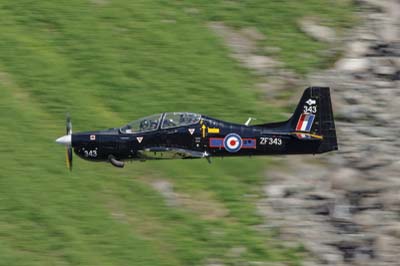
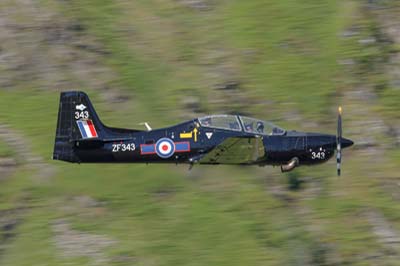
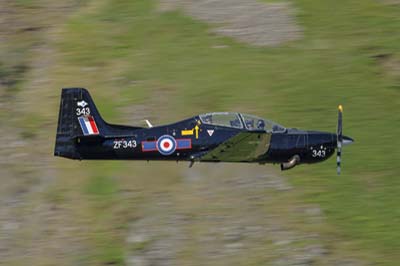
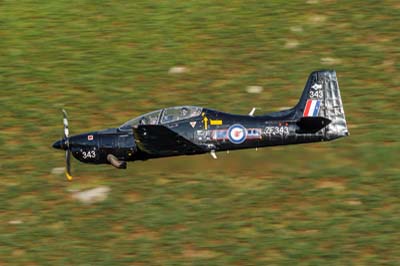
| Left to right: Tucano T.1 (ZF343 '343') through the Lakes in June 2019. |
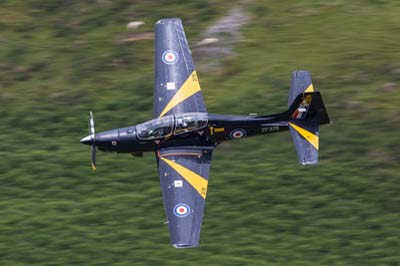
| Left to right: Tucano T.1 (ZF317 '317' and ZF343 '343') through the Lakes in June and September 2019. |
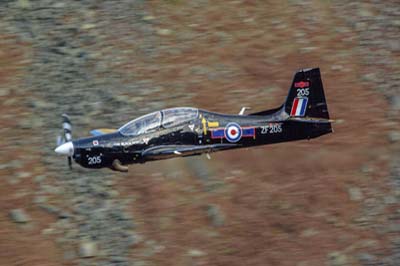
Left to right: Tucano T.1 (ZF205) in February 2006.
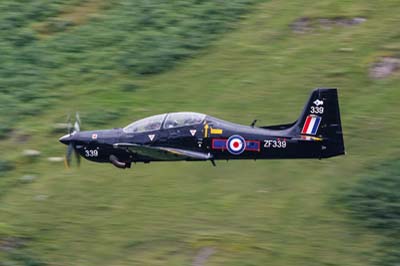
Tucano T.1 (ZF339) in August 2009 at low-level in the Lake District.
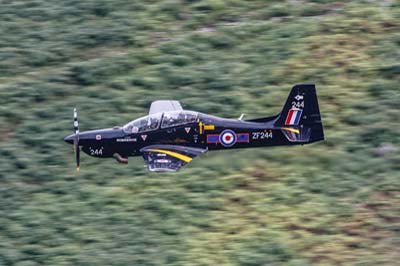
Tucano T.1 (ZF244 inscribed 'Moshoeshoe') through the Lakes in August 2009.
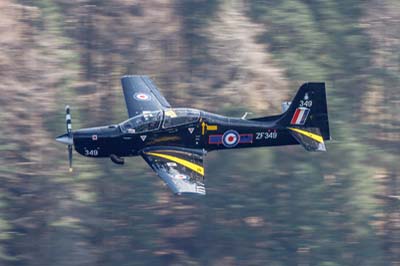
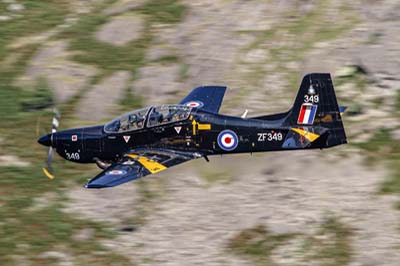
Tucano T.1 (ZF349) at low-level in the Lake District in March 2011. |
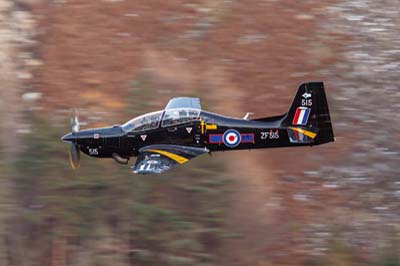
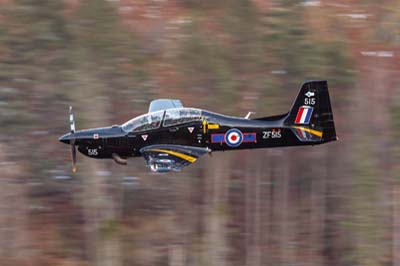
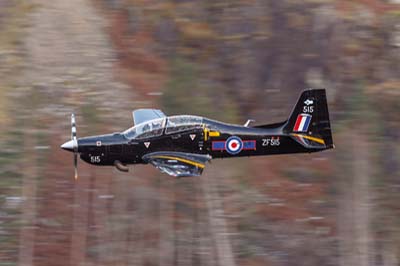
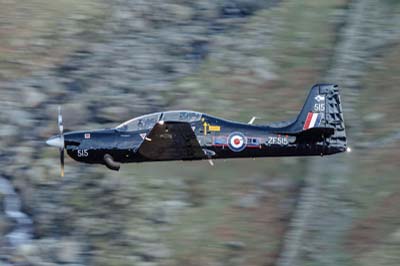
| Left to right: Tucano T.1 (ZF515) in the markings of 72(R) Squadron in November 2016 and again in January 2019. |
| Left to right: Tucano T.1 (ZF343) at RAF Northolt in October 2014. |
| 76(Reserve) Squadron (now disbanded) at low-level |
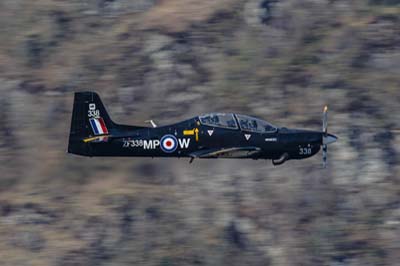
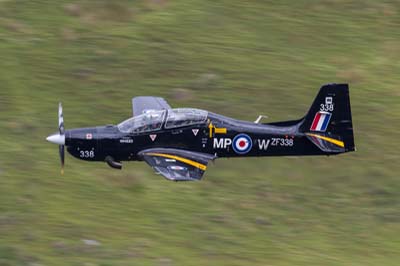
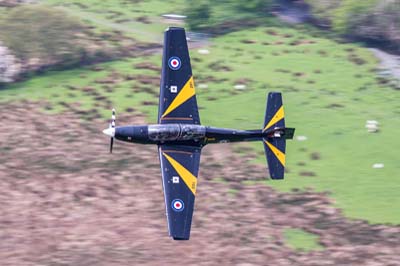
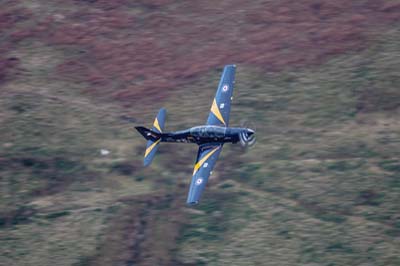
| Left to right: Tucano T.1 (ZF338 'MP-W') named 'Whizzo' through the Lakes in March 2012 and also in mid-Wales in July 2014. Tucano T.1 (ZF291) in May 2015. |
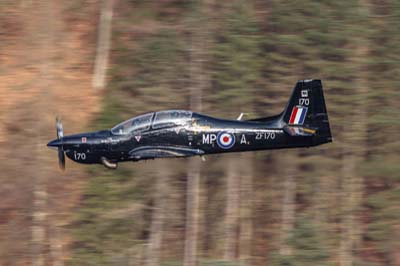
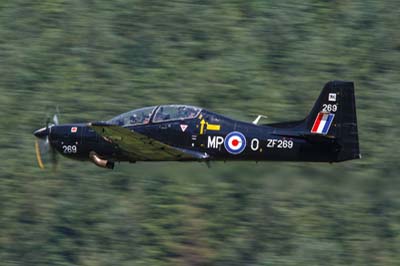
| Left to right: Tucano T.1 (ZF170 'MP-A' named 'The Black Prince') in February 2009 and again in March 2011. Tucano T.1 (ZF269 'MP-O' named 'Oh-De-Oh') in June 2010. |
| 207(Reserve) Squadron (now disbanded) at low-level |
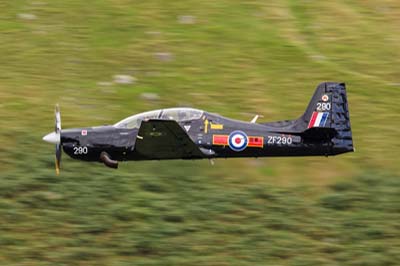
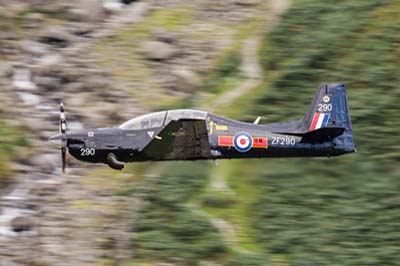
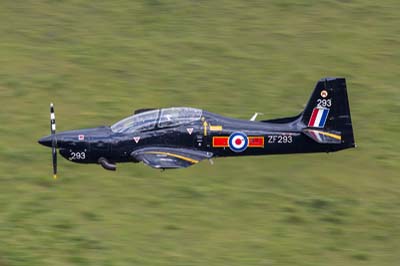
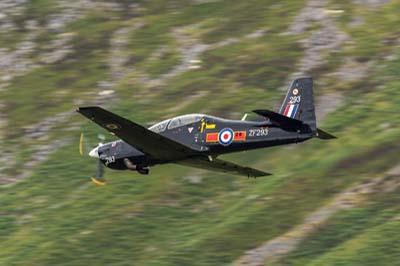
| Left to right: Tucano T.1 (ZF290) flying low through the Lakes in September 2013 and Tucano T.1 (ZF293) in mid-Wales in July 2014. |
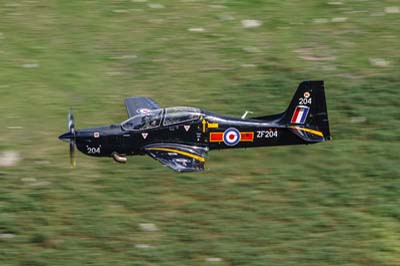
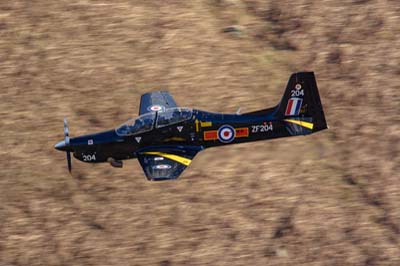
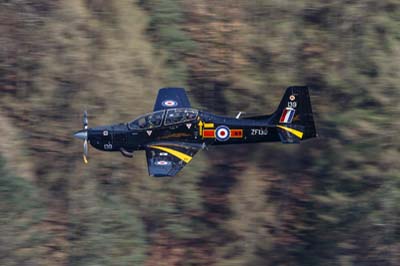
Left to right: Tucano T.1 (ZF204) through the Lakes in August 2009.
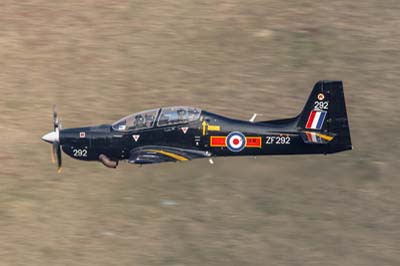
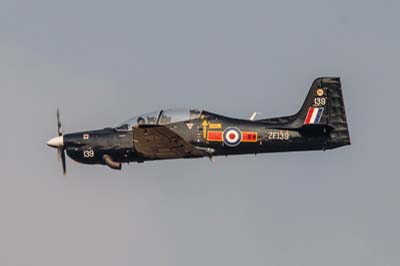
Tucano T.1s (ZF292 and ZF139) both following the M6 motorway in March 2011. |
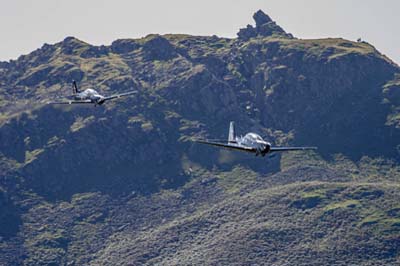
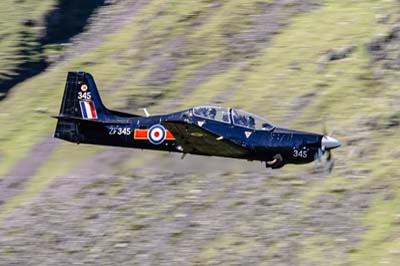
Left to right: Tucano T.1 (ZF345) through the Lake District in September 2004.
Tucano T.1 (ZF204) in February 2006.
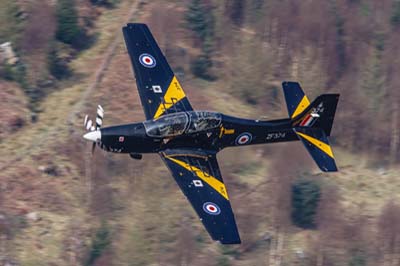
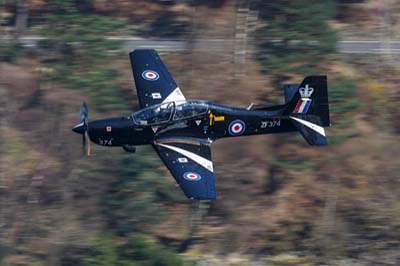
Tucano T.1 (ZF374) in March 2012 flying north through Thirlmere.
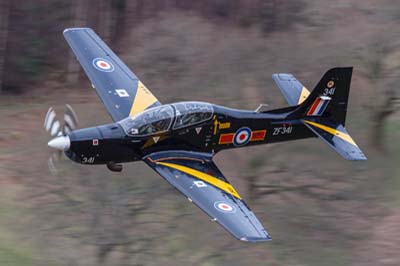
Tucano T.1 (ZF341) in March 2012 through the Loop. |
| 1 FTS Tucanos at low level but without squadron markings applied. |
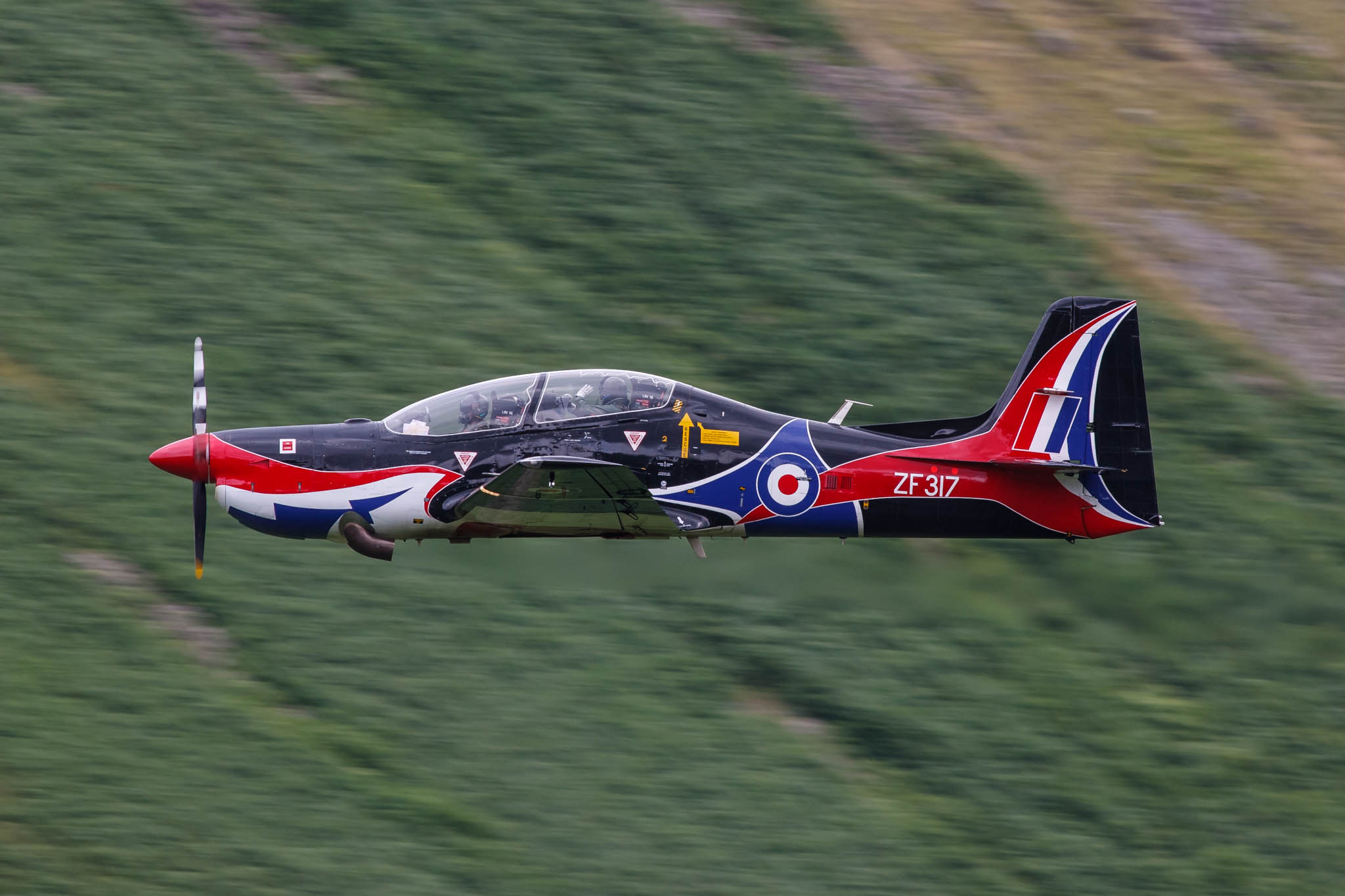
| Tucano T.1 (ZF317) in the 2009 display scheme in August 2009 at low-level in the Lake District. |
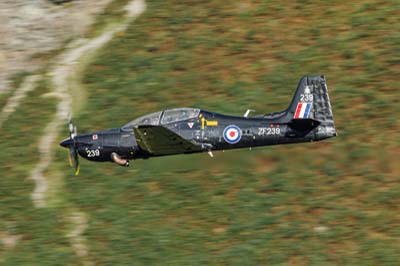
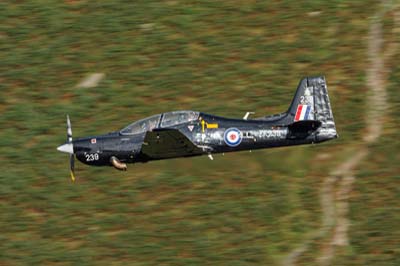
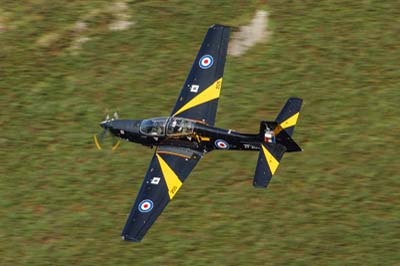
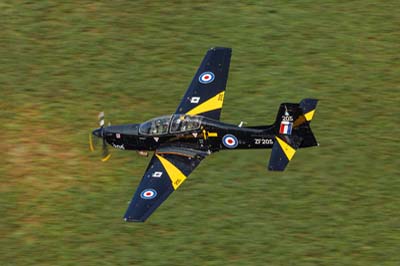
| Left to right: Tucano T.1 (ZF239 '239' and ZF205 '205') through Cumbria with 72(Reserve) Squadron in September 2019. |
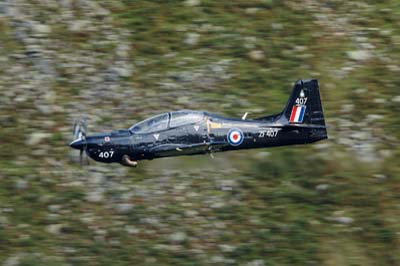
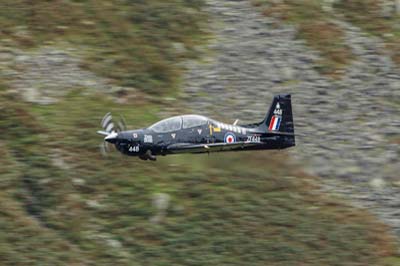
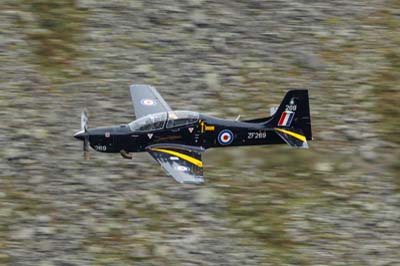
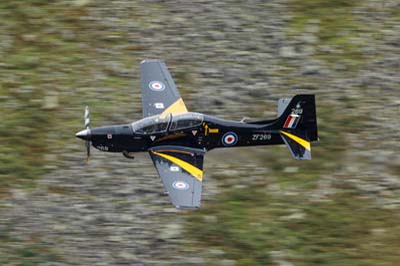
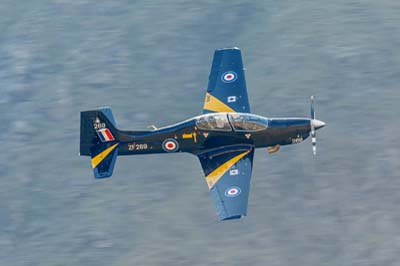
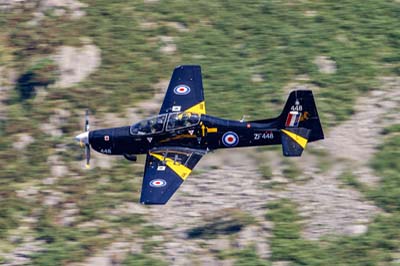
| Left to right: Tucano T.1 (ZF407 '407', ZF448 '448' and ZF269 '269') through Cumbria with 72(Reserve) Squadron in September 2019. |
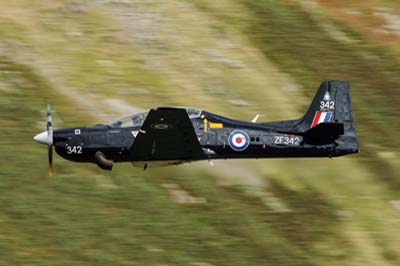
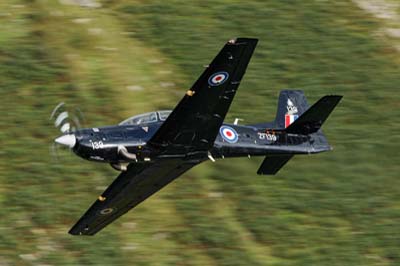
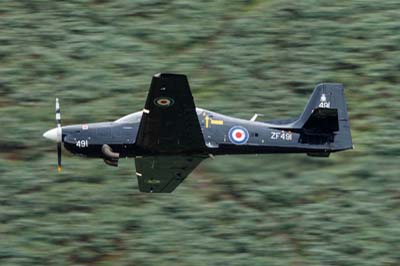
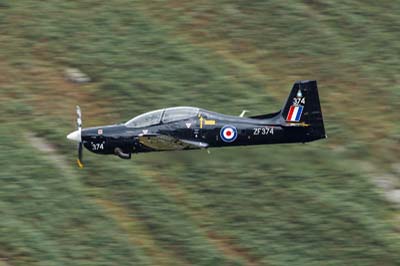
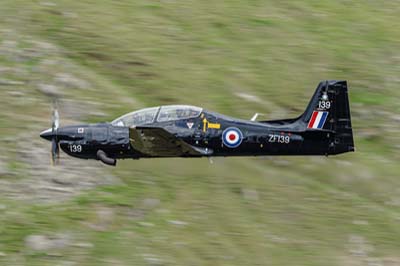
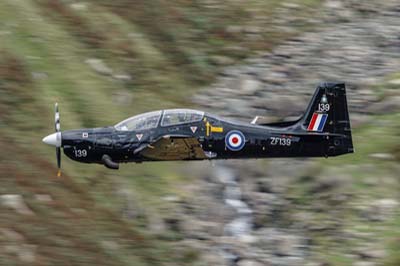
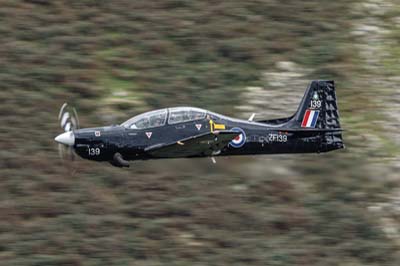
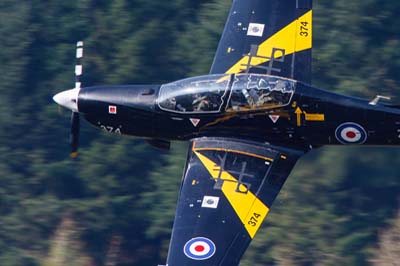
| Left to right: Tucano T.1 (ZF342 '342', ZF139 '139', ZF491 '491' and ZF374 '374') with 72(Reserve) Squadron in September 2019. |
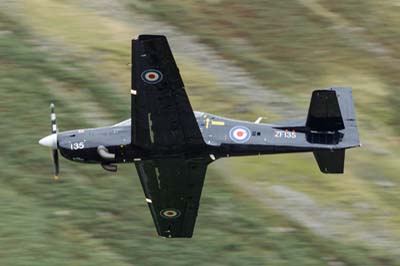
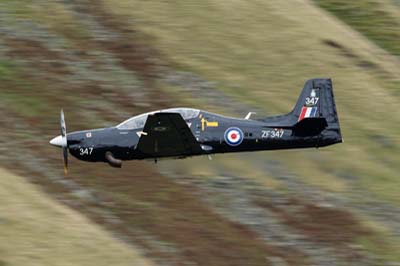
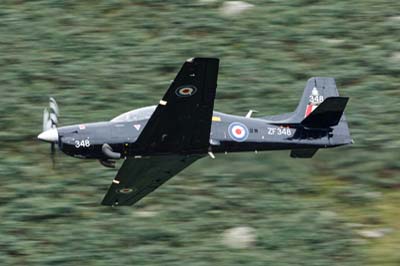
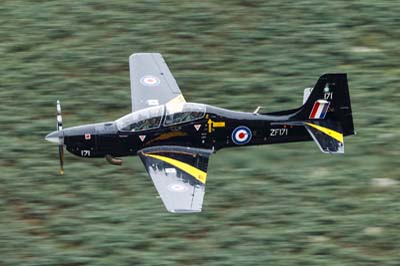
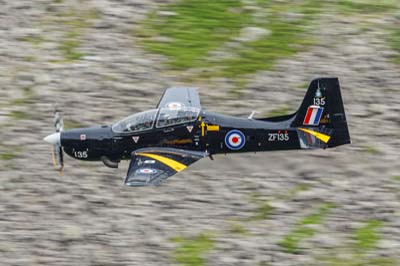
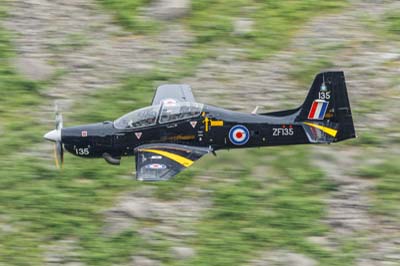
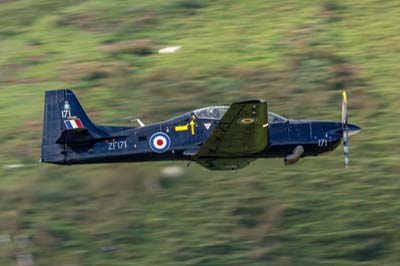
| Left to right: Tucano T.1 (ZF135 '135', ZF347 '347', ZF348 '348' and ZF171 '171') with 72(Reserve) Squadron in Cumbria in September 2019. |
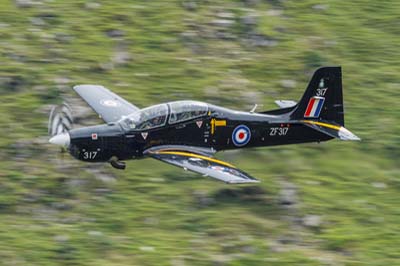
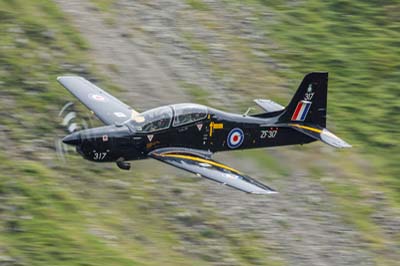
| Left to right: Tucano T.1 (ZF135 '135' and ZF317 '317') using callsign 'Uzi Flight' of 72(Reserve) Squadron in July 2019 through the Kirkstone Pass in Cumbria. |
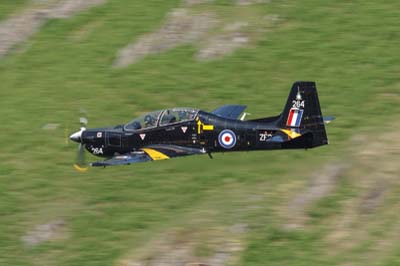
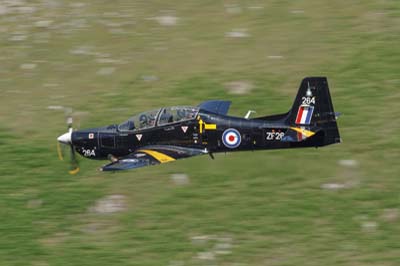
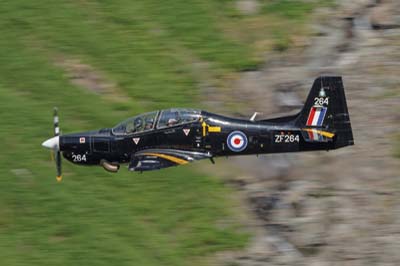
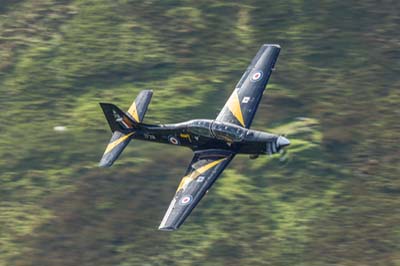
| Left to right: Tucano T.1 (ZF264 '264') through the Lakes in June 2019. |
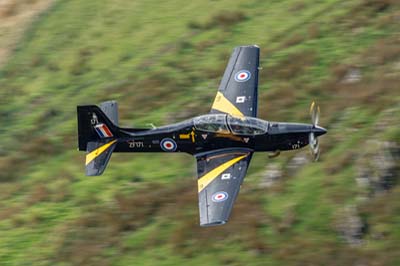
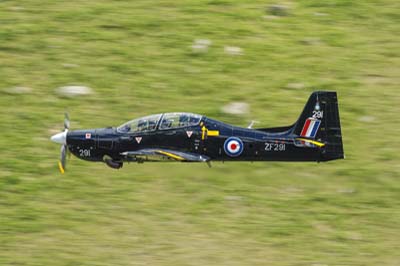
| Left to right: Tucano T.1s (ZF291 '291' and ZF171 '171') with 72(Reserve) Squadron in September 2018. Tucano T.1 (ZF269 '269') using callsign 'Linton 54' in the Lakes in April 2019. |
| Left to right: Tucano T.1 (ZF139 '139') with 72(Reserve) Squadron in September 2018. Tucano T.1 (ZF291 '291') with 72(Reserve) Squadron in June 2019. |
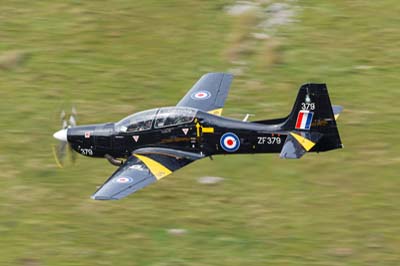
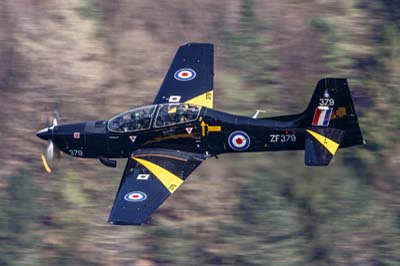
| Left to right: Tucano T.1 (ZF379 '379 and ZF317 '317' ') with 72(R) Squadron in August 2018. |
Left to right: Tucano T.1s (ZF289, ZF264 and ZF145) of 72(R) Squadron at RAF Linton-on-Ouse in November 2016 through the Lakes.
Tucano T.1 (ZF317) in the Lakes in January 2019. |
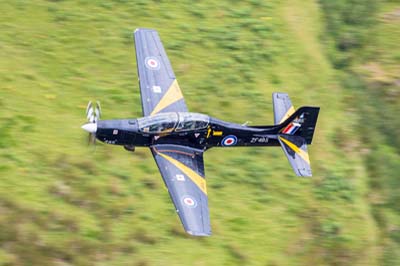
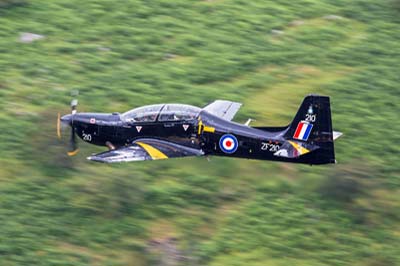
| Left to right: Tucano T.1s (ZF378, ZF485 and ZF210) in mid-Wales in July 2014. |
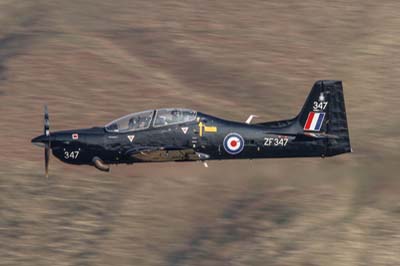
Left to right: Tucano T.1 (ZF347) following the M6 motorway in March 2011.
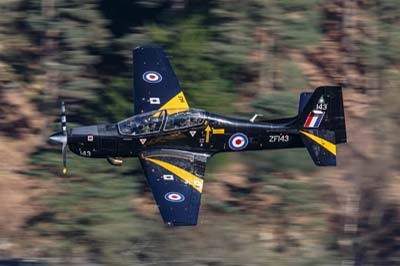
Tucano T.1 (ZF143 and ZF379) in the Lakes District in March 2012.
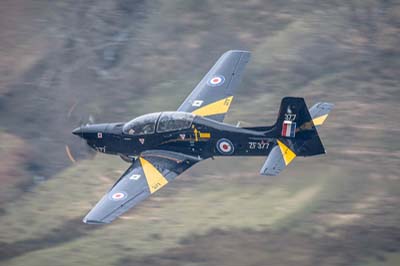
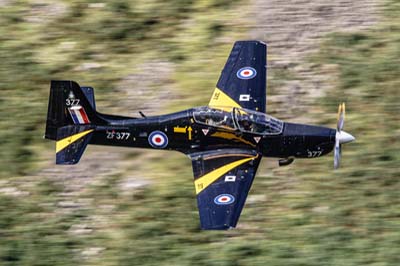
Tucano T.1 (ZF377) in mid Wales in March 2016. |
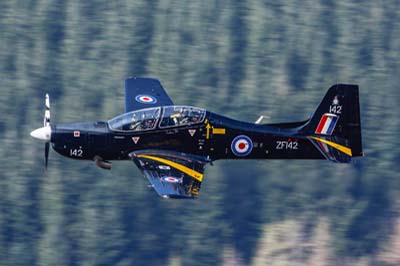
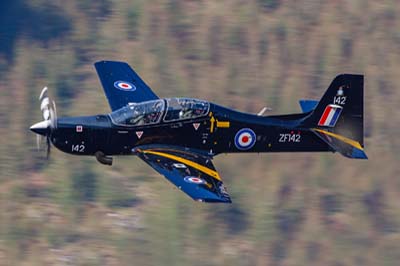
| Left to right: Tucano T.1 (ZF374 and ZF142) using callsigns 'Linton 13' and 'Linton 17' flying at low-level in Wales before going on to RAF Shawbury in March 2009. |
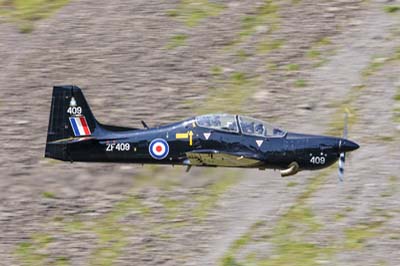
Left to right: Tucano T.1 (ZF409) in June 2005.
Tucano T.1 (ZF349) in September 2004.
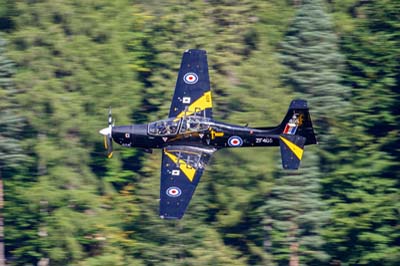
Tucano T.1 (ZF405) in September 2004.
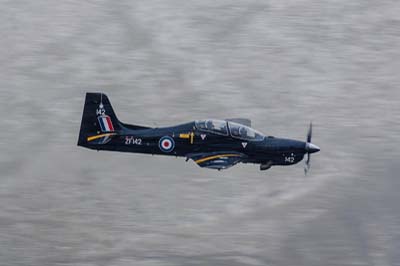
Tucano T.1 (ZF142) which came though as one of a pair during a snow storm in February 2009. |
Left to right: Tucano T.1 (ZF377) in September 2004.
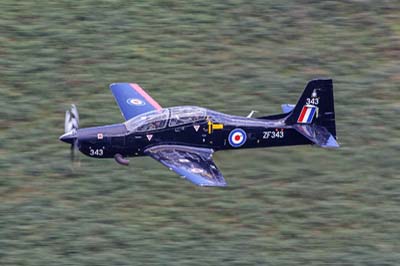
Tucano T.1 (ZF343) in September 2005.
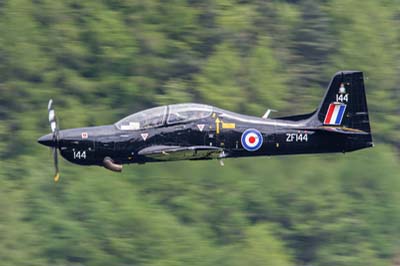
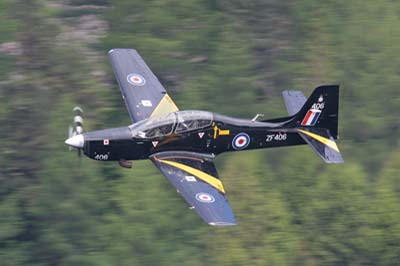
Tucano T.1s (ZF144 and ZF406) in June 2005. |
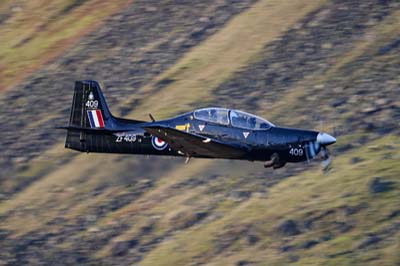
Left to right: Tucano T.1 (ZF409) in December 2004.
Tucano T.1 (ZF448) in September 2004.
Tucano T.1 (ZF485) in July 2004.
Tucano T.1 (ZF374) in a black and white special scheme and crown on the tail inscribed '1952 - 2012' on the tail for the Queen's Diamond Jubilee in March 2012. |
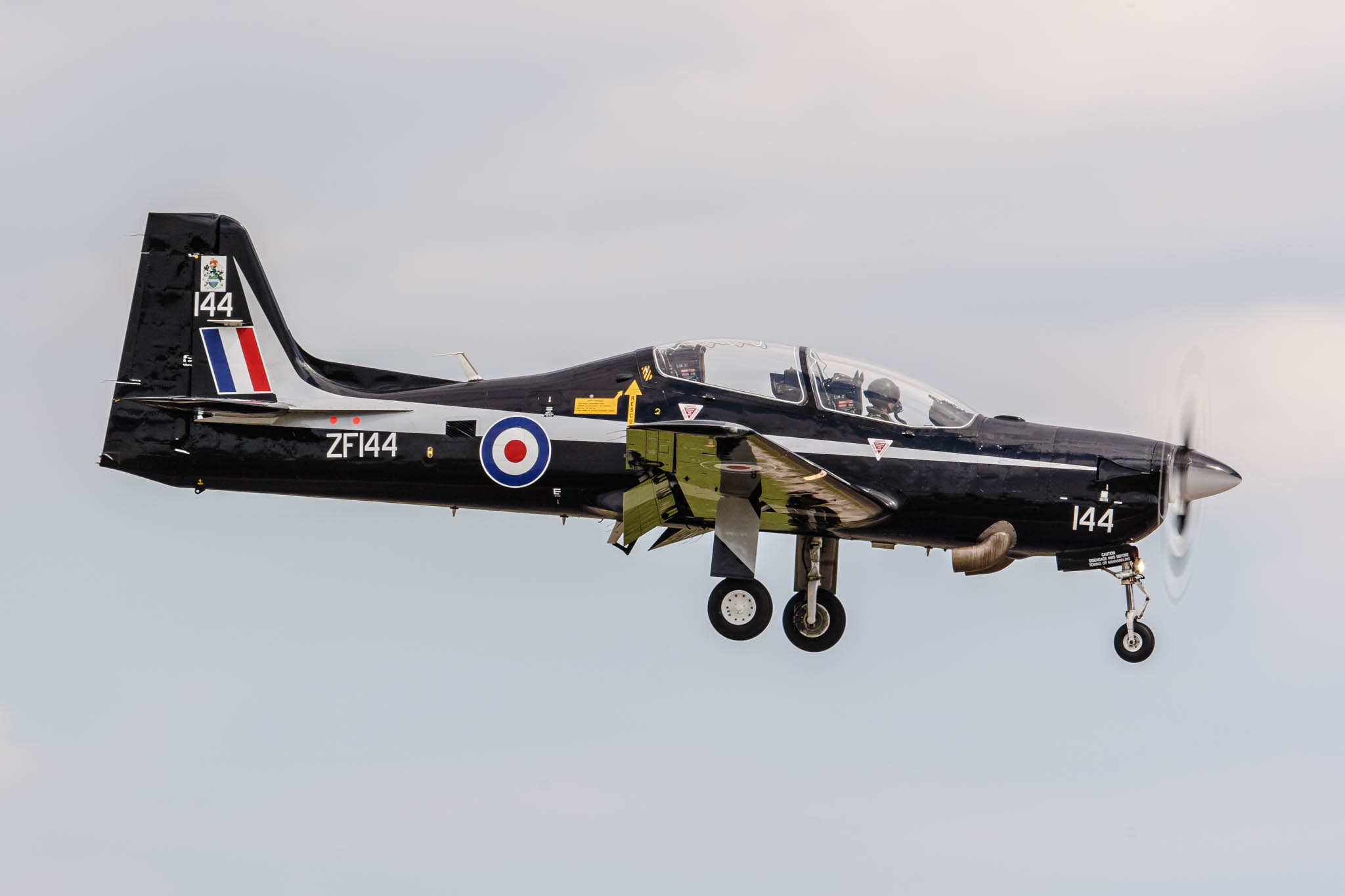
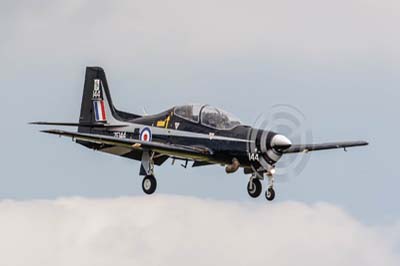
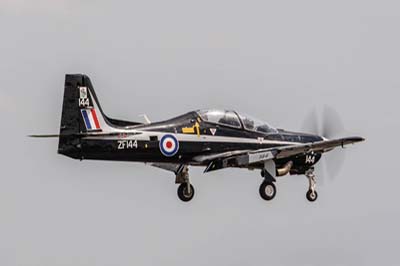
| Tucano T.1 (ZF144) landing in good light at Waddington in July 2006 |
Left to right: Tucano T.1 (ZF144) landing in good light at Waddington in July 2006.
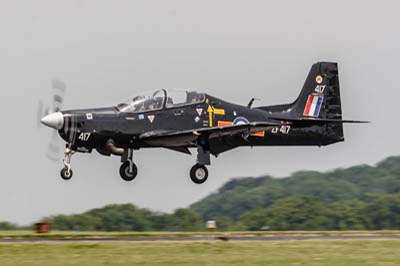
Tucano T.1 (ZF417) of 207(R) at Kemble in June 2005.
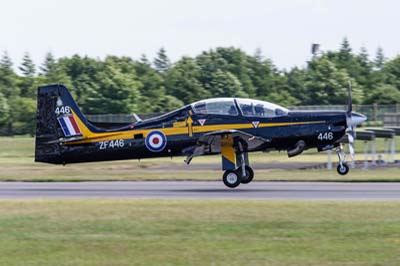
Tucano T.1 (ZF446) landing at Waddington in 2004. |
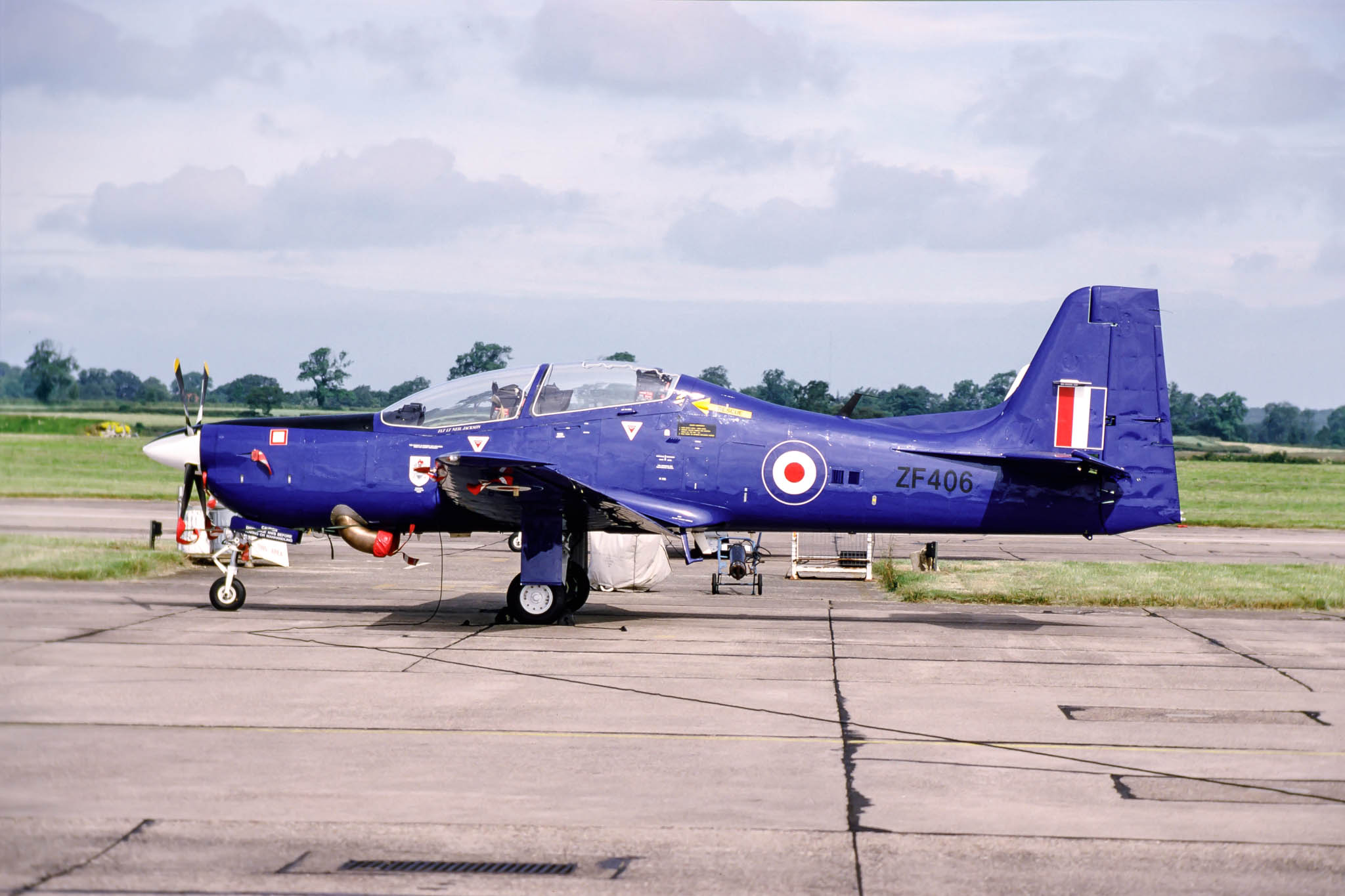
| Tucano T.1 (ZF406) with the Central Flying School (CFS) in special display colour scheme applied for the 1993 season. 130 Tucano T.1s were built for the RAF by Shorts of Belfast. It entered service with the CFS at RAF Scampton, for trials, in June 1988. Pilot training started in 1993 following the retirement of the Jet Provost. |