In Action
4 Flying Training School, 208(Reserve) Squadron - RAF Valley
Disbanded
|
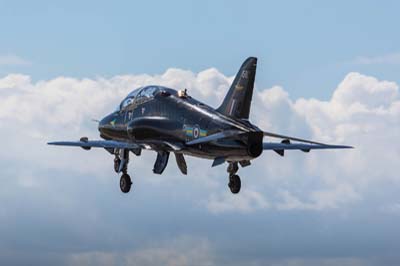
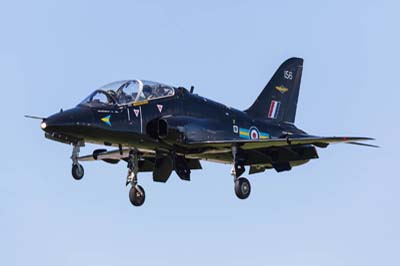
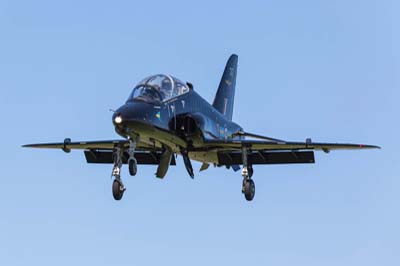
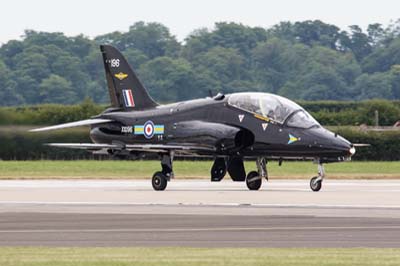
Following basic training on the Tucano all potential fast jet pilots with the RAF go through to 4 Flying Training School (FTS) at RAF Valley. Initially students will join 208(Reserve) Squadron for conversion onto the Hawk T.1 and advanced flying training. Flying tactics and weapons training follows and is conducted by 19(Reserve) Squadron also at RAF Valley.
Each year the staff instructors are responsible for around 100 students as part of 208(R) Squadron's training syllabus (phase one) in three parallel 20-week courses flying the Hawk T.1. 208(R) role is to train pilots the fundamental skills of flying fast-jets. Aided by the instructors, students must demonstrate that they are able to fly the aircraft in all weather conditions day and night and with great accuracy. Students should progress to close and tactical formation flying, followed by navigational-training sorties, some of which are at low-level.
On passing phase one, students will pass on to 19(R) Squadron for the Tactical Weapons course (phase two), flying in the Hawk T.1A. Students with 19(R) will learn how to use the Hawk as a weapons platform, flying in tactical formations at low-level to attack targets. Students will basically learn; how to drop bombs, strafe targets and the basics of air-to-air combat. To complete a course a successful student will have planned, briefed and led a pair of Hawks to attack a target. They also fly with the threat of being 'bounced' by a staff instructor simulating an attack by an enemy fighter. Following completion of this course, graduates will be assessed for single or two seat operations for a move onto an Operational Conversion Unit (OCU), before being assigned a frontline squadron. It is generally accepted that the most gifted pilots will be posted to single seat aircraft. 20 students throughout the year are transferred to NATO flying training at Cold Lake or Moose Jaw in Canada.
Around five students will be diverted or 'creamed' off from the OCU course to become instructors. These 'creamies' as they are known will either go to Linton-on-Ouse on the Tucano or remain at Valley for a further three years to instruct on the Hawk, before moving on to an OCU.
Training is also provided to exchange officers and foreign and Commonwealth officers. As the Indian Air Force has ordered 66 Hawk Mk.132 from BAE Systems, they have set up the Hawk Synthetic Training Facility (HSTF) at RAF Valley. 75 Indian Air Force pilots undertook flying training as part of the 41 month program, which started in July 2004 and ended in 2008.
208(R) Squadron in their 100th year were disbanded on April 1, 2016. |
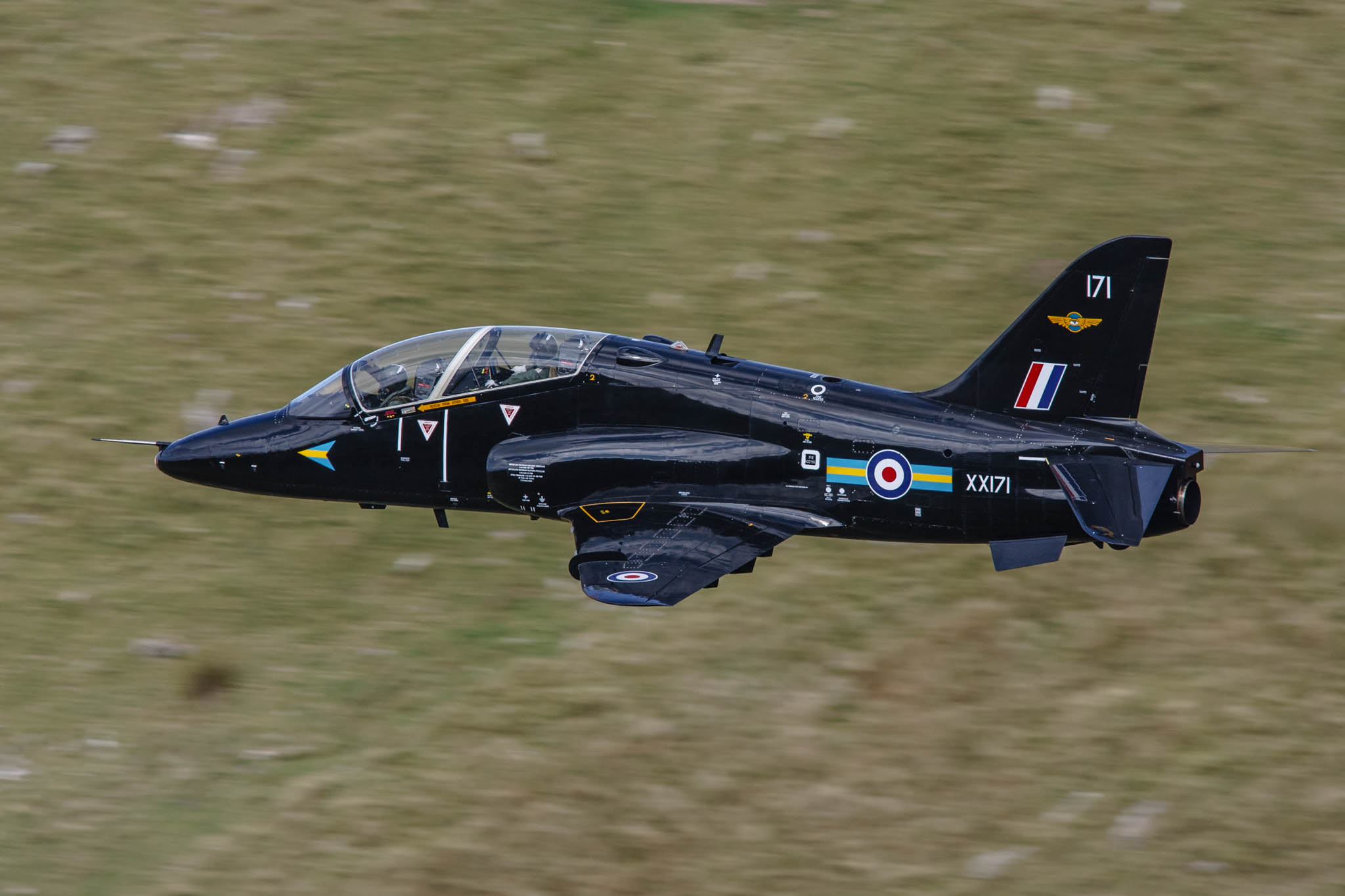
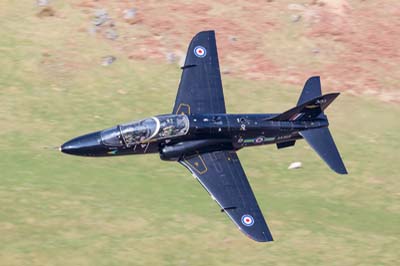
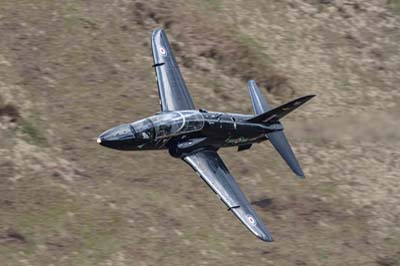
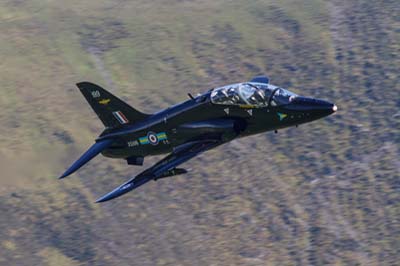
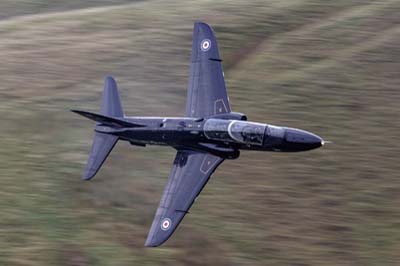
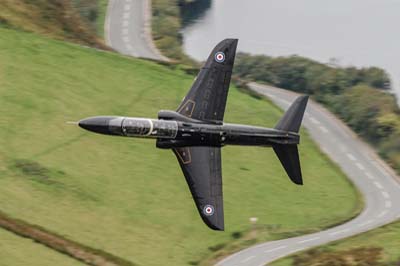
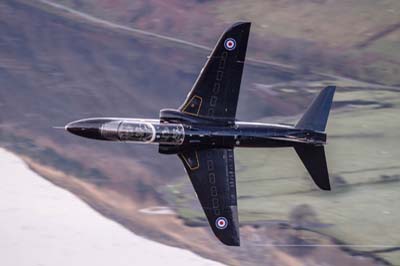
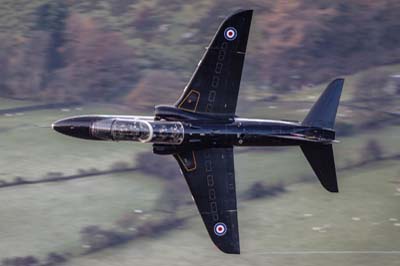
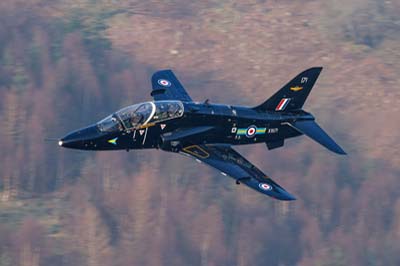
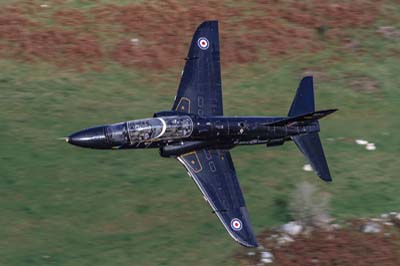
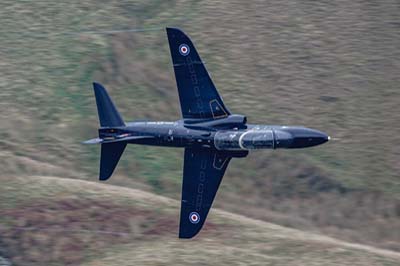
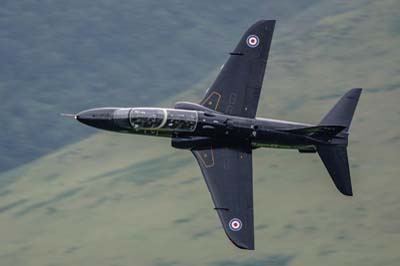
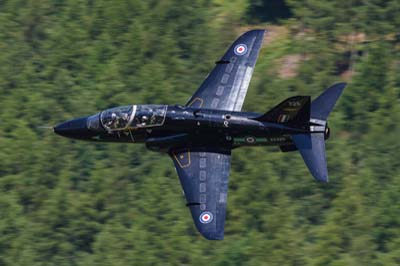
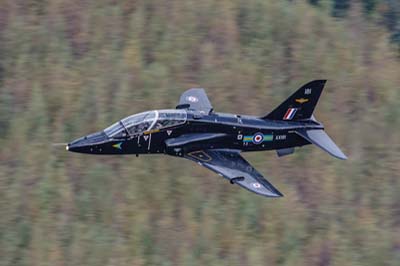
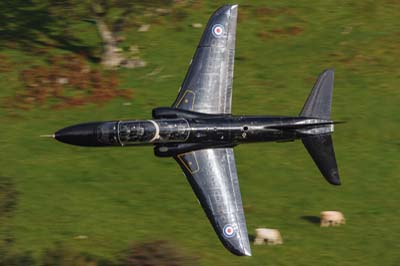
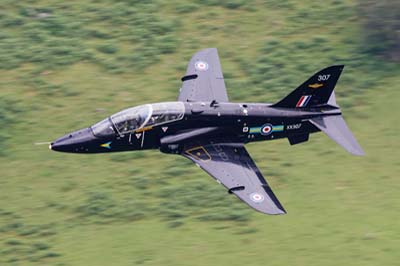
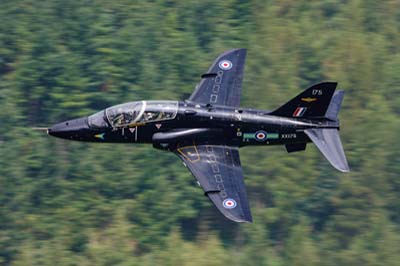
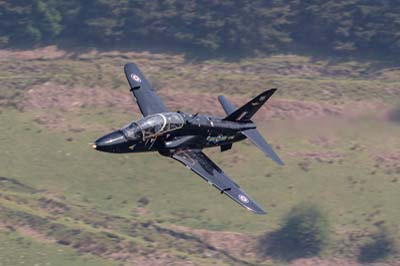
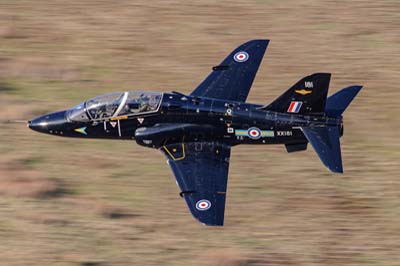
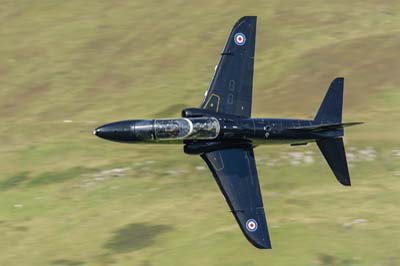
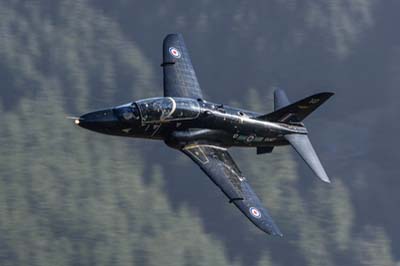
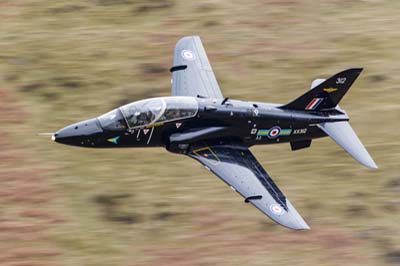
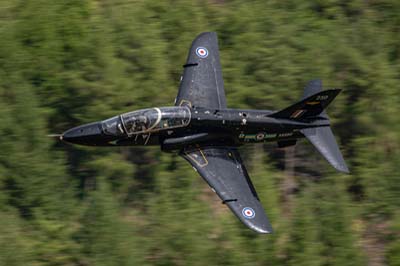
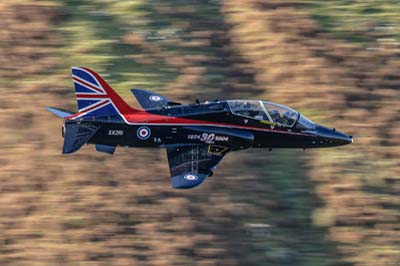
| Hawk T.1 (XX171) flying at low-level in mid-Wales in September 2008. |
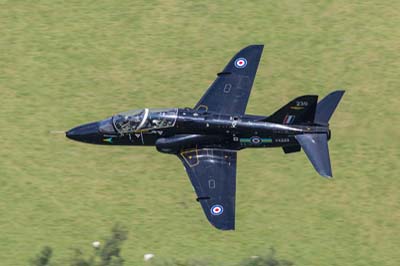
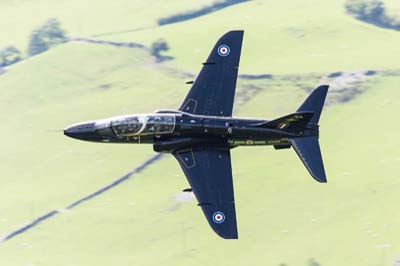
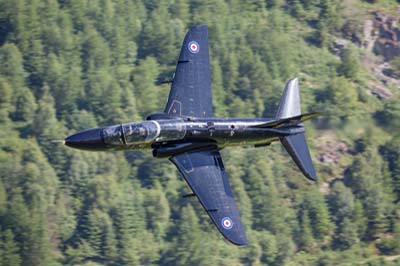
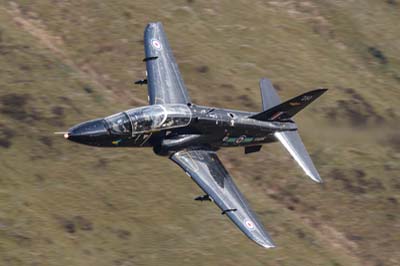
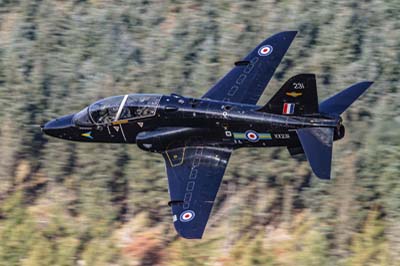
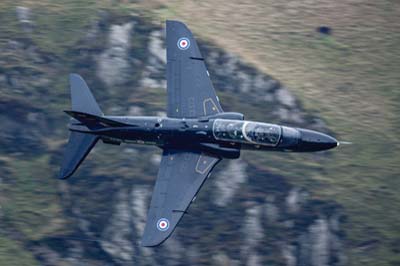
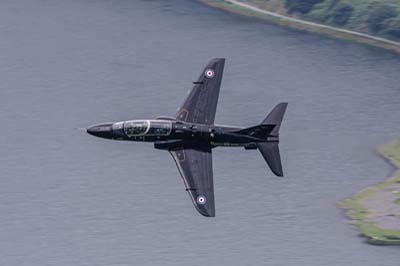
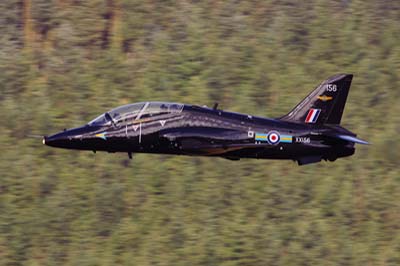
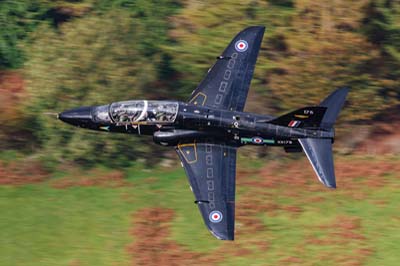
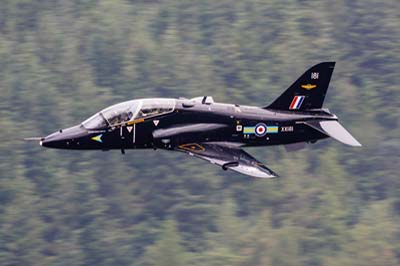
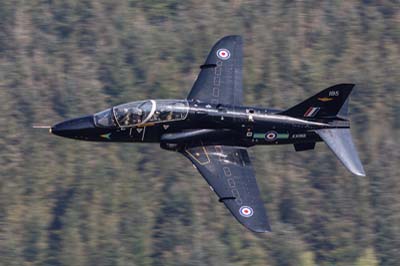
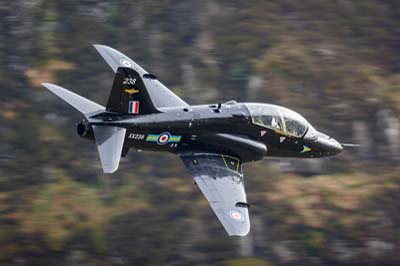
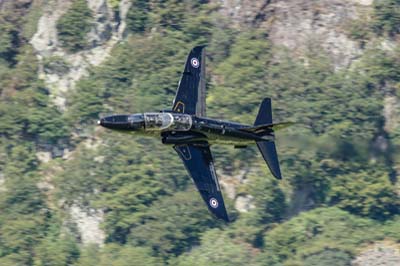
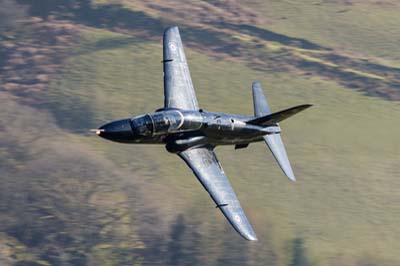
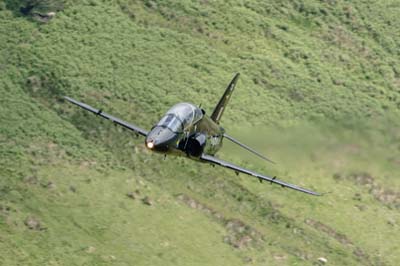
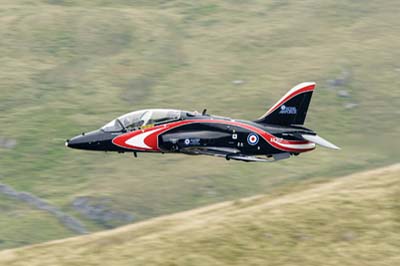
| Left to right: Hawk T.1 (XX239) in mid Wales in August 2015. |
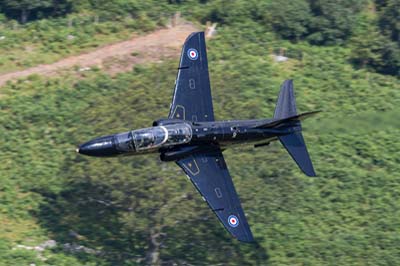
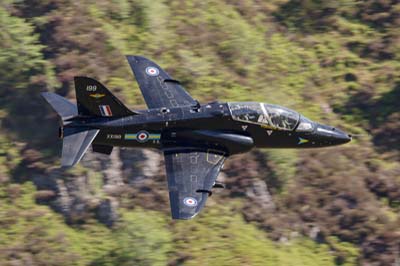
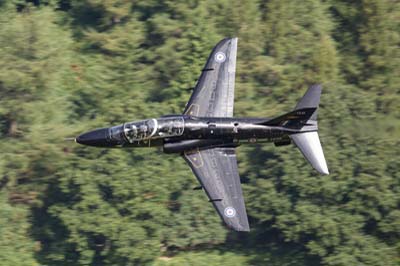
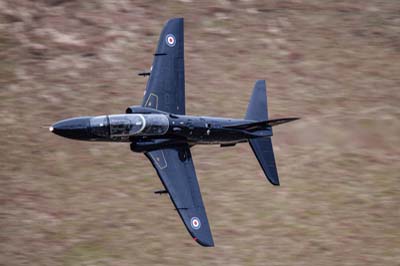
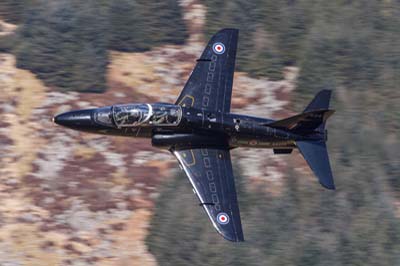
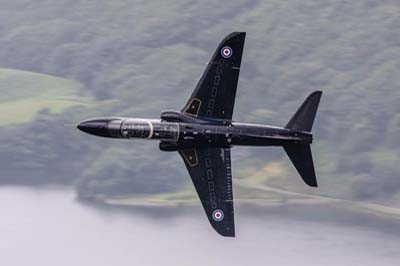
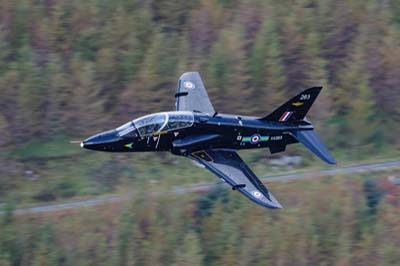
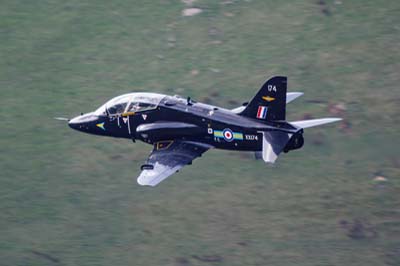
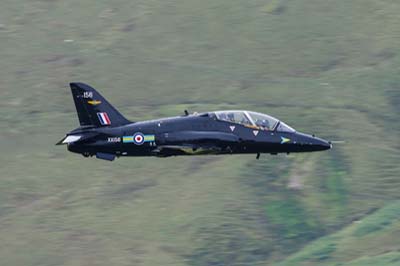
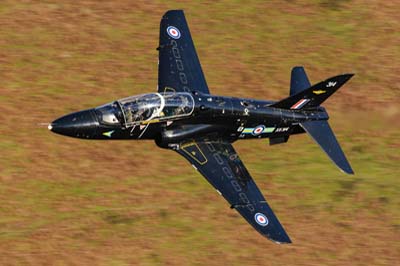
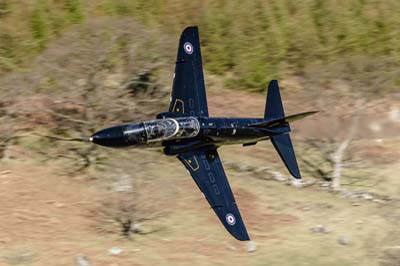
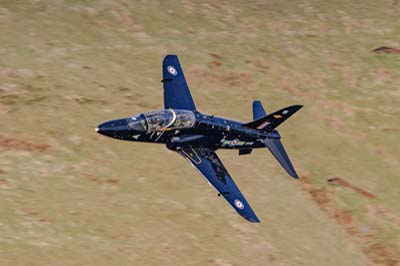
| Left to right: Hawk T.1s (XX199) in June 2013, (XX315) in August 2013 and (XX158) in September 2013 all in mid Wales. |
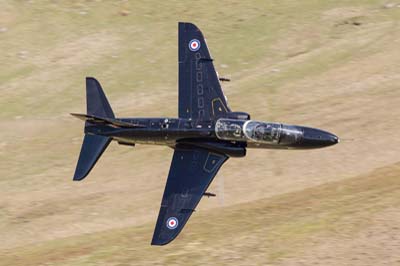
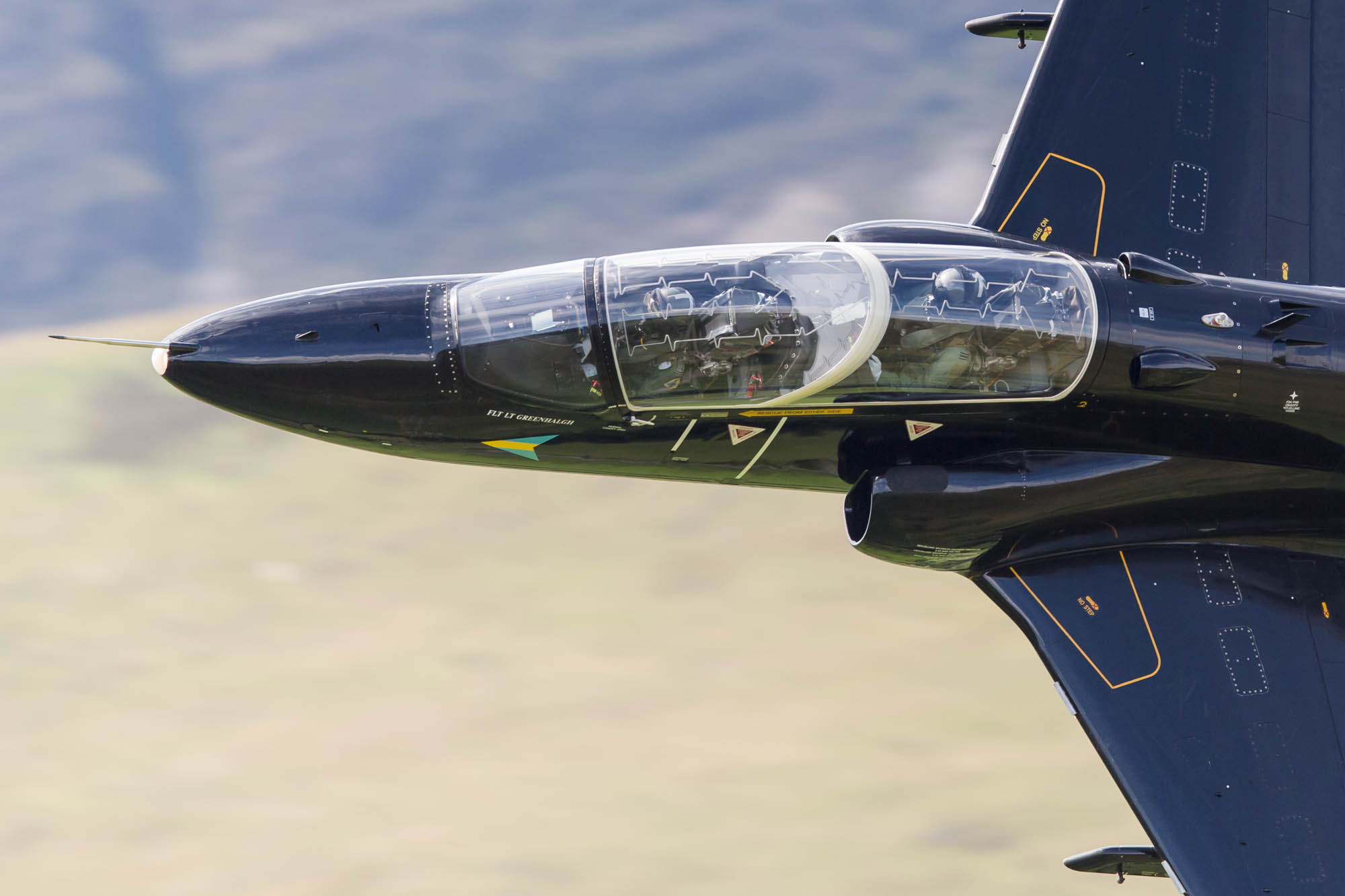
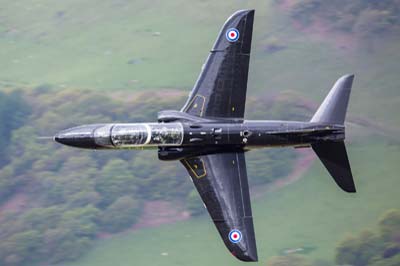
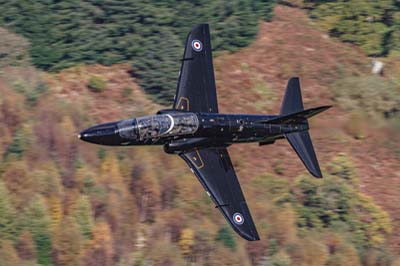
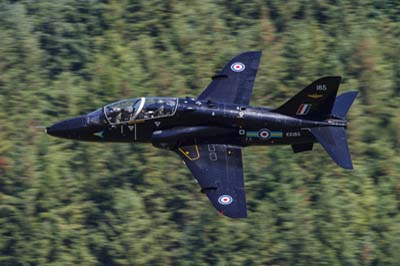
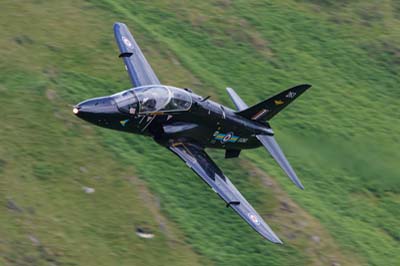
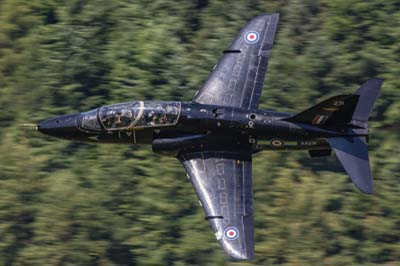
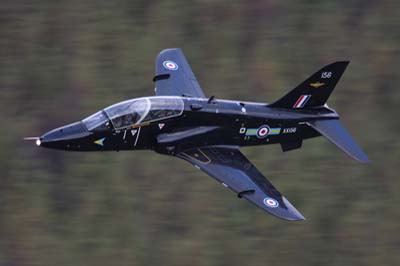
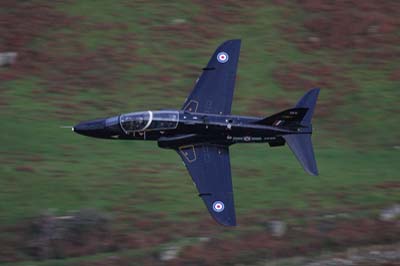
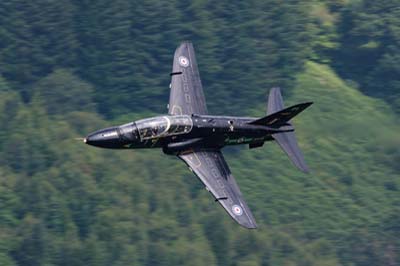
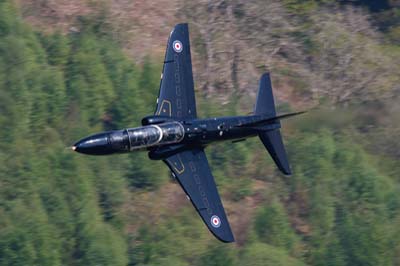
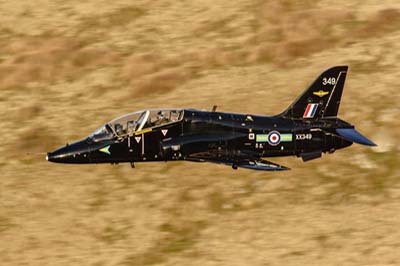
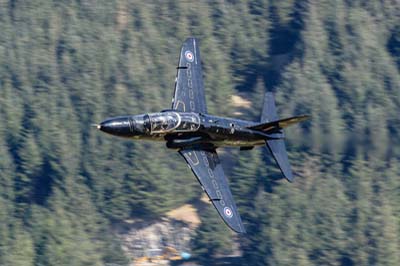
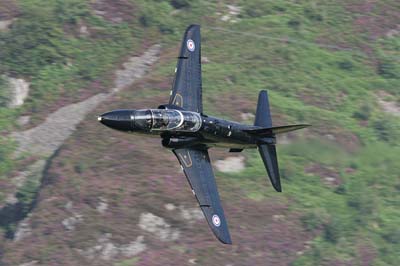
| Hawk T.1 (XX256) in mid Wales on August 12, 2013 |
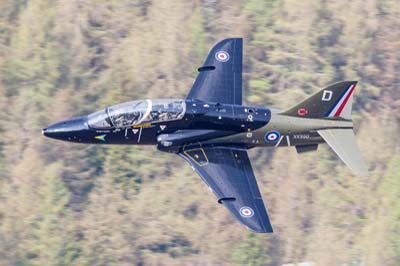
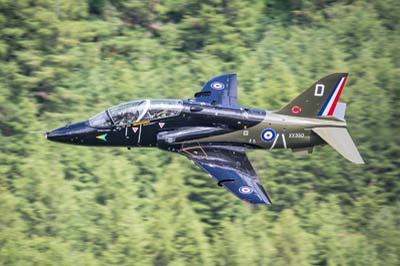
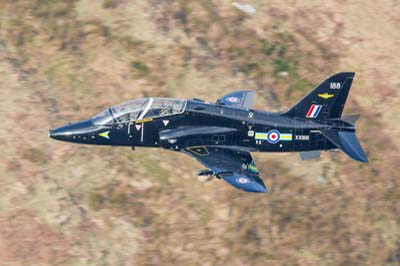
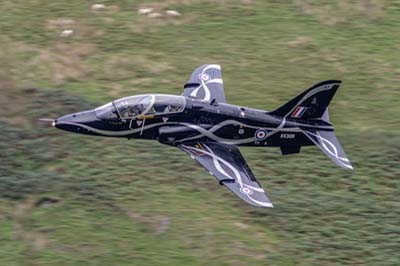
| Left to right: Hawk T.1 (XX303) in mid Wales in April 2015. Hawk T.1 (XX188) in mid Wales in June 2015. Hawk T.1 (XX350 'D') in special commemorative World War One scheme in March and June 2015. |
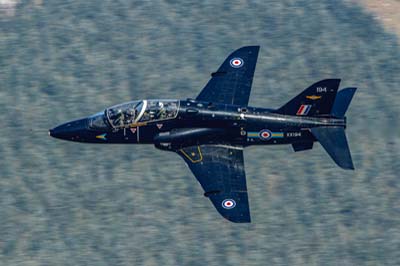
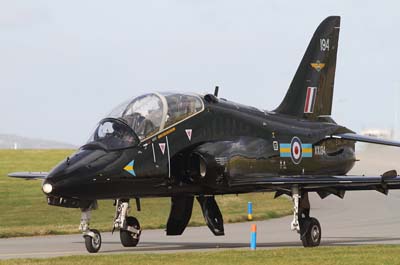
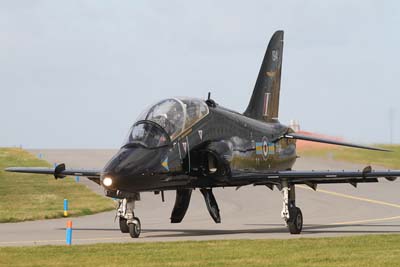
| Left to right: Hawk T.1s (XX194, XX250 and XX338) in mid Wales in March 2012. Hawk T.1 (XX161) in May 2015. |
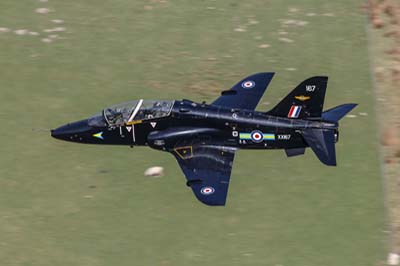
| Left to right: Hawk T.1 (XX199) in August 2011, it was with 19(R) Squadron in March 2011. Hawk T.1A (XX187) in August 2011. Hawk T.1 (XX167) in September 2011. Hawk T.1 (XX188) in March 2015. |
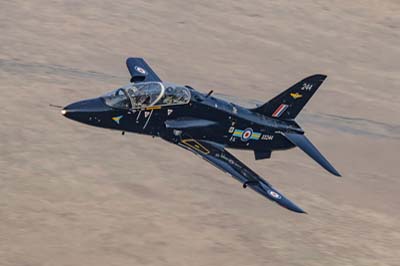
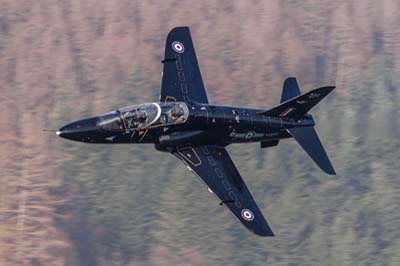
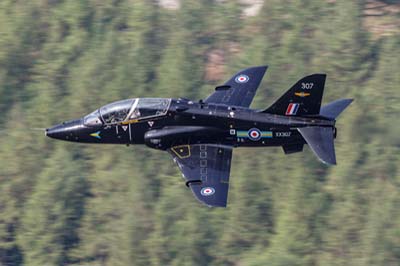
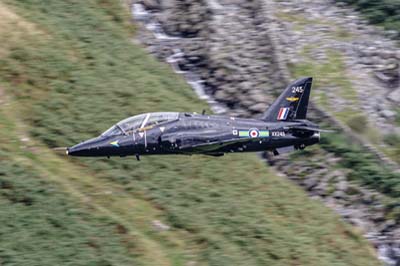
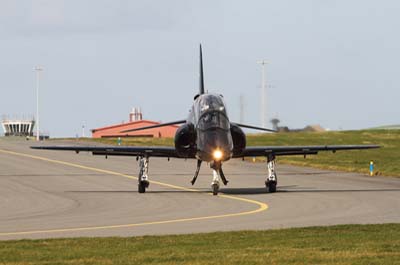
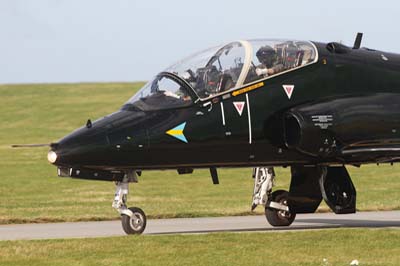
| Left to right: Hawk T.1s (XX194, XX244, XX234 and XX307) in March and April 2011. |
| Left to right: Hawk T.1 (XX171) in mid Wales in November 2010 and again in March 2011. Hawk T.1 (XX167) in mid Wales in April 2011. |
| Left to right: Hawk T.1W (XX224) and Hawk T.1 (XX231 and XX244) and one of the 2010 4 FTS display Hawks T.1 (XX201) in October 2010. |
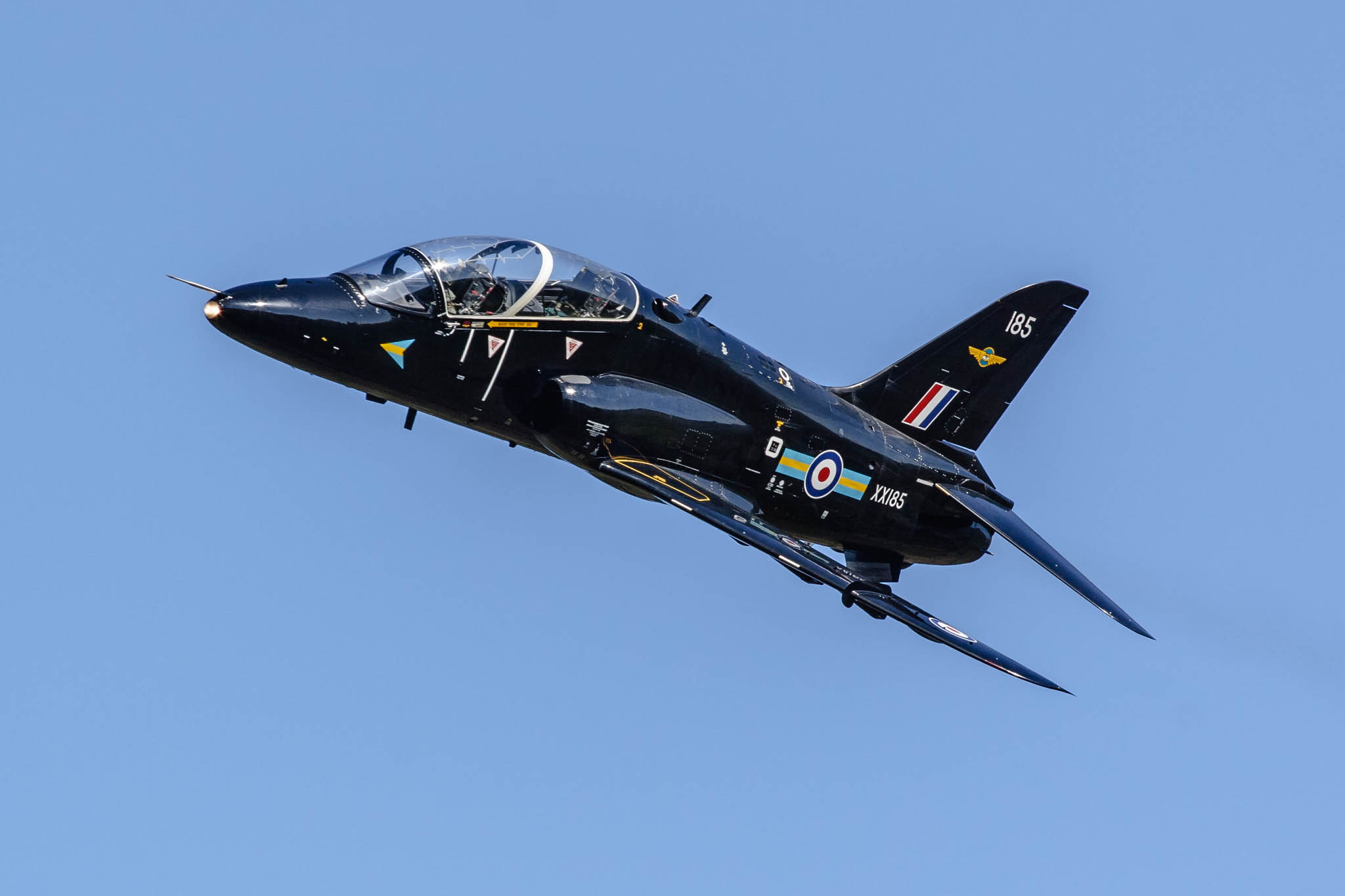
| Left to right: Hawk T.1s (XX165, XX185) with both back-seaters giving a wave in October 2009. Hawk T.1 (XX234) in March 2010 and Hawk T.1 (XX185) in June 2010. |
| Left to right: Hawk T.1s (XX263, XX187, XX185 and XX263) in July 2009. |
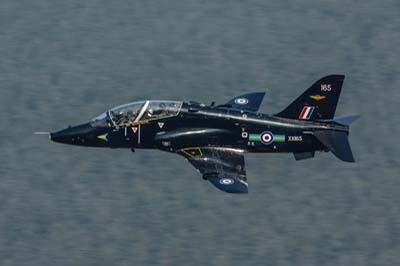
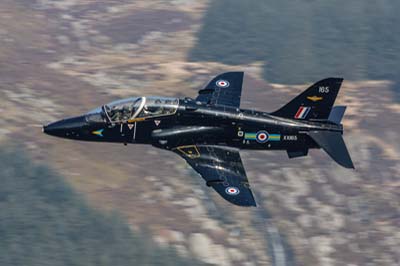
| Left to right: Hawk T.1 (XX165) in March 2009 at low-level in mid Wales. Hawk T.1s (XX231 and XX325) in June 2009. |
| Left to right: Hawks (T.1W XX181, T.1 XX156, T.1A XX263 and T.1 XX156) in October 2008 in mid-Wales. |
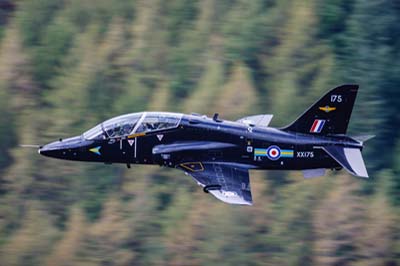
| Left to right: Hawk T.1s (XX165, XX175 x2 and XX185) in October 2008 in mid-Wales. |
| Left to right: Hawk T.1 (XX307), Hawk T.1W (XX181), Hawk T.1A (XX205) and Hawk T.1 (XX175) in July 2008. |
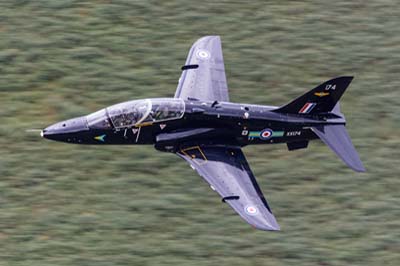
| Left to right: Hawk T.1s (XX195 x2, XX174 and XX171) in May 2008. |
| Left to right: Hawk T.1 (XX238) in March 2007, Hawk T.1W (XX181) in 2004, Hawk T.1A (XX205) in September 2008 and Hawk T.1A (XX156) in June 2008 all low-level in mid-Wales. |
| Left to right: Hawk T.1As (XX261 and XX157) turning in the 'Loop' in August 2007. Hawk T.1s (XX314 and XX349) in November 2007. |
| Left to right: Hawk T.1s (XX307, XX185 and XX174) and Hawk T.1W (XX167) in mid-Wales in April 2007. |
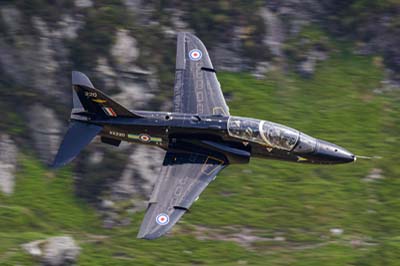
| Left to right: Hawk T.1Ws (XX312), two images of Hawk T.1A (XX220) from June 2007 and April 2006 and Hawk T.1A (XX187) in July 2006 all flying at low-level in mid-Wales. |
Left to right: Hawk T.1 (XX250) during Prince of Wales Trophy in May 2005, Hawk T.1 (XX174) in September 2005, Hawk T.1A (XX220) in June 2006 and Hawk T.1A (XX345) in September 2005 all flying low-level mid-Wales.
|
| Hawk T.1 (XX185) in mid Wales on April 4, 2007. |
| Left to right: Hawk T.1W (XX295) Kemble Air Day solo display June 2004 and Hawk T.1A (XX220) at 'low-level' in March 2004. Hawk T.1 (XX325) on a not quite so low-level sortie through mid-Wales in April 2007. |
| Left to right: Hawk T.1s (XX158, XX156 and XX317) at RAF Valley in June 2014. |
| Left to right: Hawk T.1A (XX196) lining up at Waddington in July 2006, (XX196 was written-off in an accident at RAF Mona on April 20, 2007). Hawk T.1 (XX312) about to depart from RAF Valley in October 2011. |
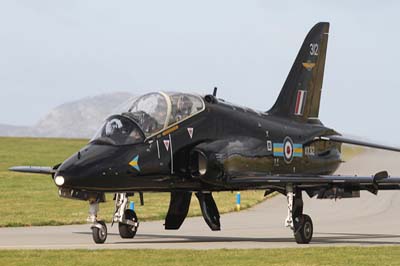
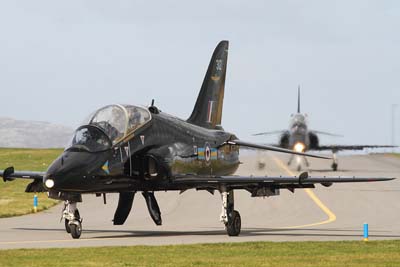
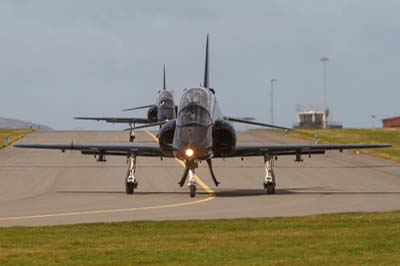
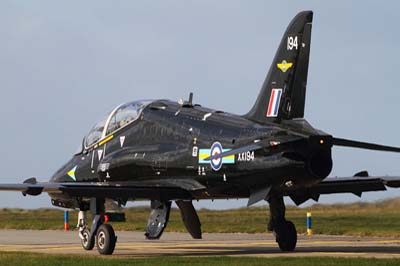
| Left to right: Hawk T.1 (XX194) about to depart from RAF Valley in October 2011. |
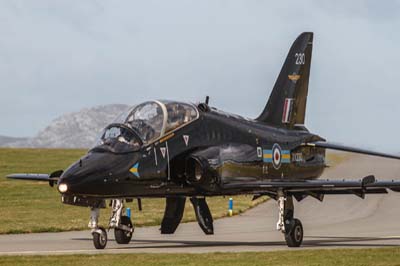
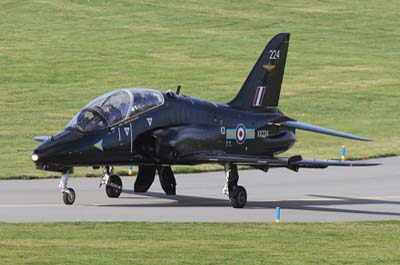
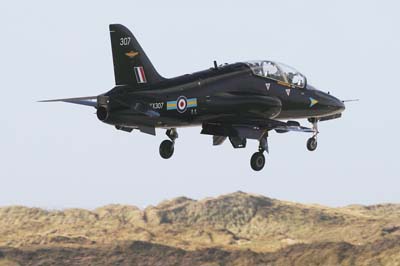
| Left to right: Hawk T.1 (XX230 and XX224) on their way out and Hawk T.1 (XX307) returning to RAF Valley in October 2011. |
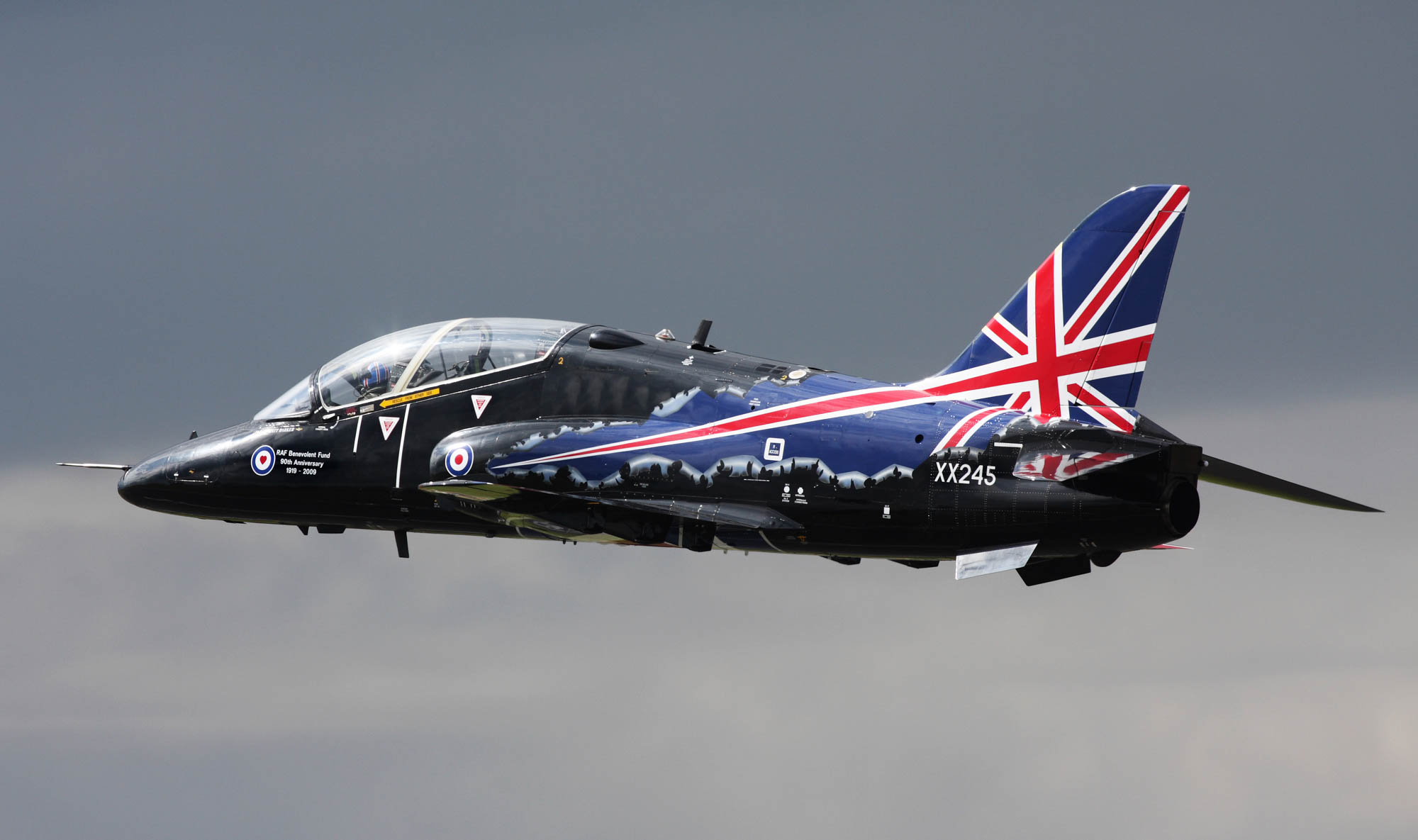
The striking RAF Display Hawk T.1 (XX245, XX307 also in an identical paint scheme applied) is inscribed 'RAF Benevolent Fund, 90th Anniversary 1919 - 2009'.
It seen here flown at RIAT 2009 by the 2009 solo Hawk display pilot Flt Lt Matt Barker of 208(R) squadron based at RAF Valley. |
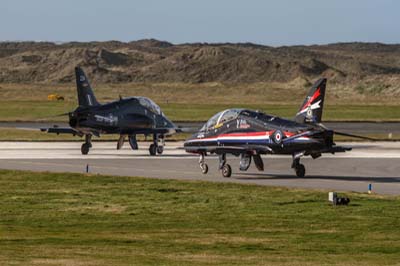
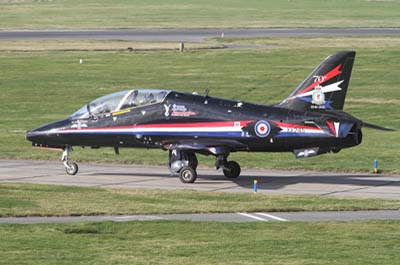
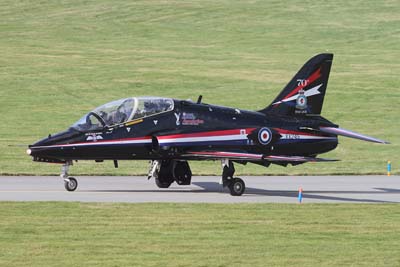
| Left to right: One of the two 2011 display season Hawk T.1s (XX245) at RAF Valley in October 2011. XX245 and its twin XX244 carry RAF Valley 70th anniversary 1941-2011 titles (It also has 'Royal Air Forces Association, Friendship, Help, Support' inscribed behid the cockpit. The display pilot is ex creamy Flt Lt Juliette 'Jules' Fleming a Qualified Flying Instructor with 208(R) Squadron since her move from RAF Marham with 31 Squadron at the beginning of the year. |
Special display schemes for its aircraft over the years.
Left to right: Hawk T.1 (XX309) inscribed 'Hawk 25th Anniversary' in 2003.
Hawk T.1 (XX219) inscribed '30 Years 1974-2004' for the 30th anniversary of the Hawk at low-level in 2004.
Hawk T.1 (XX307) in 2007.
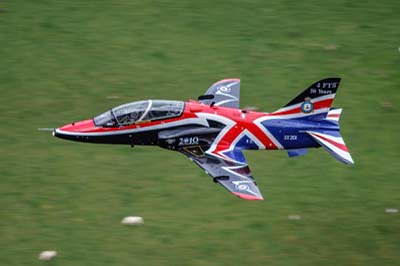
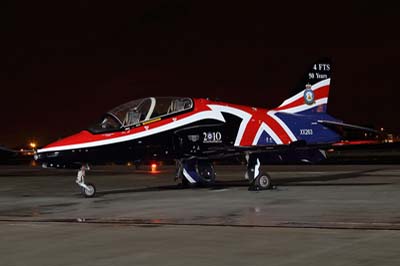
Hawk T.1 (XX263) marked '4 FTS 50 Years' and '2010 www,RAFHawkDisplayTeam.com' on the intake at Northolt in 2010. |